Air cooled condensers are essential components in a variety of refrigeration and HVAC systems. As a purchasing manager or distributor, understanding the air cooled condenser price and its associated factors is crucial for making informed procurement decisions. This article will guide you through where to find reliable suppliers, key specifications to evaluate, pricing insights for bulk orders, common installation issues, and the various applications of air cooled condensers across industries.
Finding a trustworthy supplier for air cooled condensers involves several steps. Start by researching manufacturers with proven experience in refrigeration equipment, such as Shanghai EMTH, which has over 20 years in the industry. Look for suppliers that provide comprehensive service, including customization options and technical support. Refrigeration Accessories can also be an important aspect of your procurement process.
Industry trade shows and online B2B marketplaces are also valuable resources. These platforms not only list potential suppliers but often include customer reviews and ratings, which can help gauge reliability. Additionally, reaching out to industry peers for recommendations can lead you to reputable manufacturers.
Once you have a shortlist, request product catalogs and sample units to assess quality. It’s advisable to inquire about their quality control processes and production capabilities to ensure they meet your specific needs.
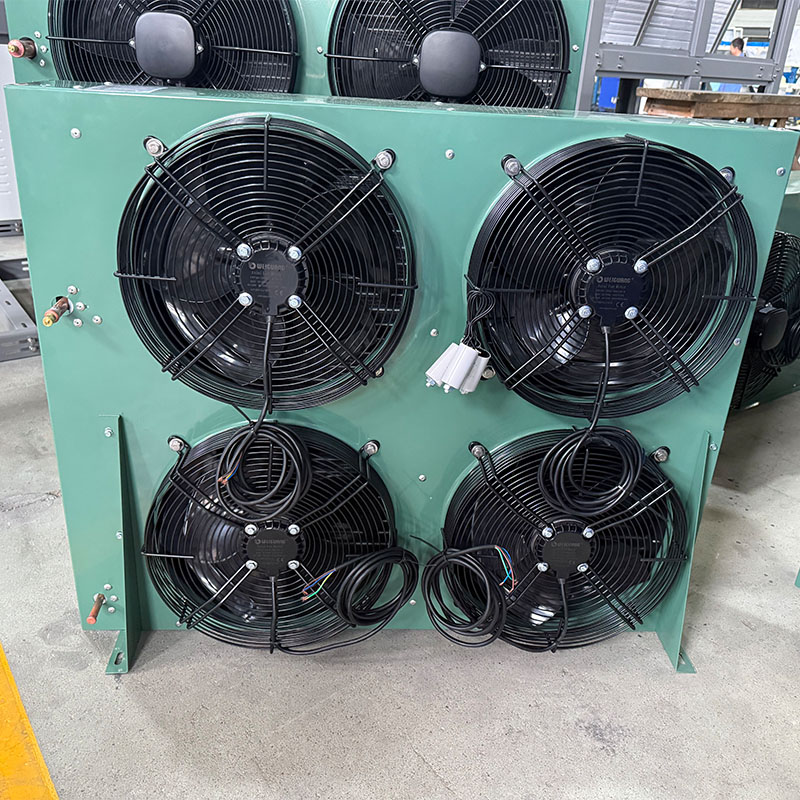
When evaluating air cooled condensers, several key specifications should be considered to ensure they meet your operational requirements:
Cooling Capacity: Measured in BTUs or kW, the cooling capacity should match your system's needs. An undersized unit will struggle to maintain desired temperatures, while an oversized one may lead to inefficiency.
Material and Construction: Common materials include aluminum or copper for heat exchangers. Each material has different thermal conductivity and corrosion resistance. For example, aluminum is lightweight and resistant to corrosion, but may not perform as well under extreme temperatures compared to copper.
Dimensions and Weight: Ensure the condenser fits within your space constraints and that the weight is manageable for installation.
Fan Type and Noise Levels: Choose between axial or centrifugal fans based on your noise requirements and airflow needs.
Energy Efficiency Rating: Look for condensers with high energy efficiency ratings to minimize operational costs, particularly in continuous use applications.
Certifications: Verify any industry certifications (such as CE or UL) that indicate compliance with safety and performance standards.
These specifications directly affect performance and longevity, so thorough evaluation is vital.
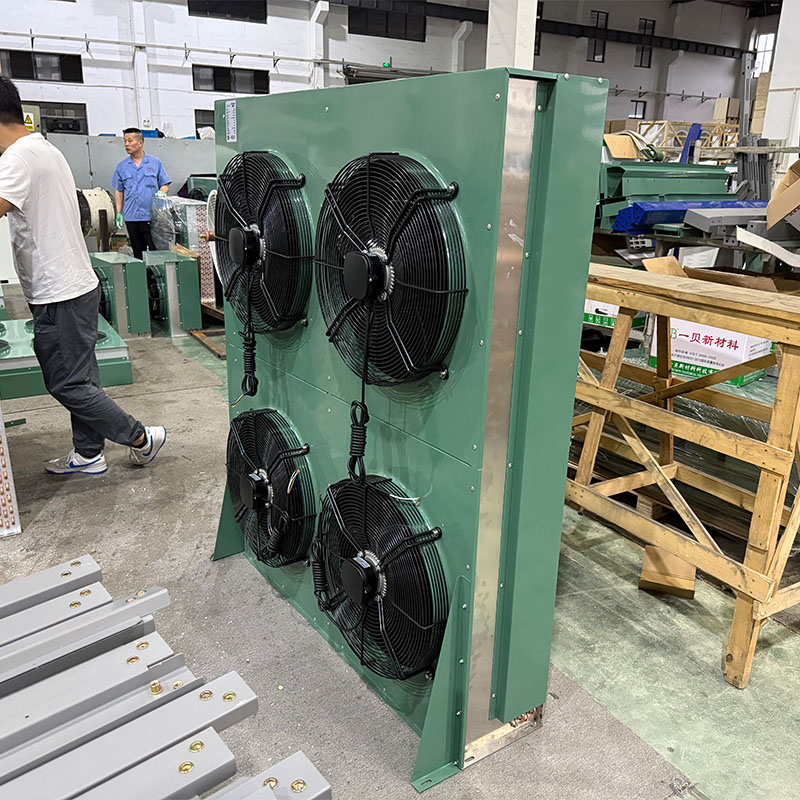
When considering the air cooled condenser price, various factors influence wholesale pricing, especially for bulk orders.
Order Volume: Larger orders typically yield lower per-unit costs due to economies of scale. Manufacturers may offer tiered pricing based on the quantity ordered.
Customization Needs: Custom specifications may increase the base price. Clearly define your requirements to get accurate quotes.
Material Costs: Fluctuations in raw material prices can affect overall costs. Stay informed about market trends that may impact pricing.
Lead Time: Shorter lead times may come at a premium. If time is not a critical factor, consider longer lead options for potentially lower prices.
Shipping and Handling: Factor in shipping costs, which can vary based on distance, weight, and shipping method.
Manufacturer Reputation: Established manufacturers like Shanghai EMTH may have slightly higher prices due to their proven reliability and quality assurance processes. Additionally, investing in a reliable Compressor can enhance your overall system performance.
Request detailed quotations from multiple suppliers to compare prices effectively.
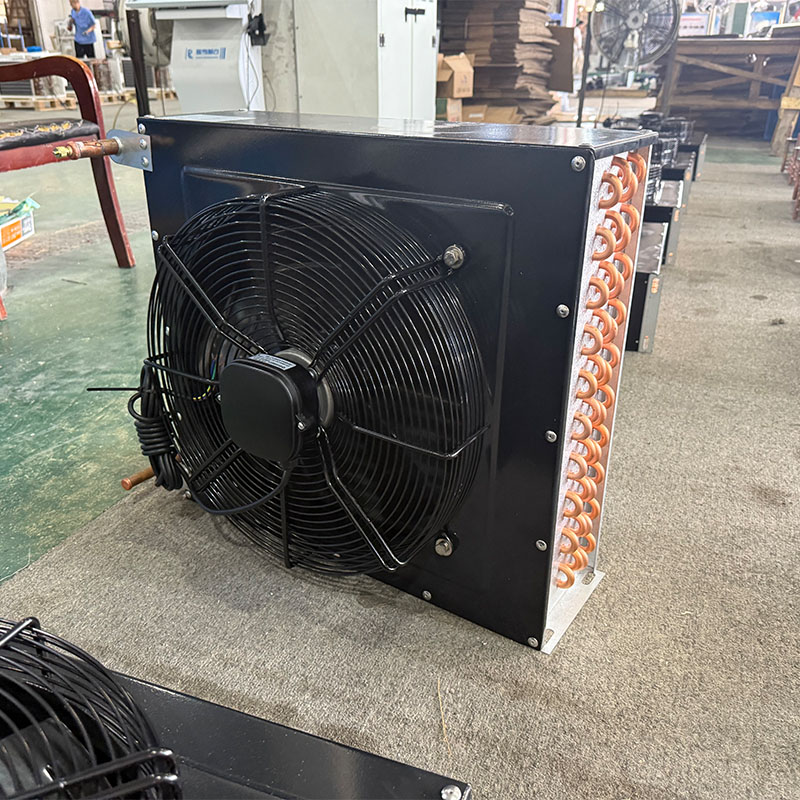
Installation of air cooled condensers can pose challenges that may affect performance. Here are common issues and their solutions:
Insufficient Airflow: Ensure the condenser is installed in an area with ample airflow. Obstructions can lead to overheating. Install the unit away from walls or other obstructions.
Improper Leveling: An unlevel condenser can cause oil pooling and compressor issues. Use a level during installation to ensure proper alignment.
Vibration and Noise: Excessive vibrations can lead to wear and tear. Use vibration isolators or pads to reduce noise and protect the equipment.
Electrical Connections: Ensure all electrical connections are secure and compliant with local codes to prevent failures and safety hazards.
Refrigerant Leaks: After installation, check for leaks in the refrigerant lines. Regular maintenance checks can prevent costly repairs.
By addressing these common issues proactively, you can enhance the lifespan and efficiency of the air cooled condenser.
We have more than 20 years of experience and a highly skilled R&D EMTH staff.
EMTH EMTH has a solid track record in the field, with over 3,000+ happy customers.
A modern plant of over 40000 square meters is in place to meet the majority Ice maker for under counter demands for production.
Complete service program, from formulating of plans, production of Cold room as well as project landing until after-sales service, there are specific docking.

Welcome to EMTH, a cold storage refrigeration equipment specialist in China! We offer innovative and effective cold storage solutions, including cold storage, evaporator, condensing unit and ice machine.
Room 304-305B, Building 5, BESHINE B.P, No. 559Zhuyuan Road, Minhang District 201112, Shanghai, China
Copyright © Shanghai EMTH Import & Export Co., Ltd. All Rights Reserved. - Privacy Policy
 EN
 AR
 BG
 HR
 CS
 DA
 NL
 FI
 FR
 DE
 EL
 IT
 JA
 KO
 NO
 PL
 PT
 RO
 RU
 ES
 TL
 IW
 ID
 LT
 SR
 VI
 HU
 TH
 MS
 AZ
 JW
 LO
 MN
 SO
 MY
 KK
 TG
 UZ
 GD
 XH