When it comes to walk-in cooler refrigeration equipment, B2B buyers must navigate a range of factors to ensure they select the right system for their specific needs. These systems are crucial for maintaining optimal temperature control in various industries, from food storage to pharmaceuticals. Buyers often have concerns about efficiency, reliability, and the overall suitability of the equipment for their applications. This article will provide key insights into selecting, evaluating, and maintaining walk-in cooler refrigeration systems, helping purchasing managers and engineers make informed decisions.
Selecting the right walk-in cooler refrigeration equipment involves assessing several critical factors. First, consider the size and layout of the cooler space. The dimensions of the unit must fit the physical constraints of the installation site while allowing for optimal airflow and access. Next, evaluate the cooling capacity, which is typically measured in BTUs (British Thermal Units). This specification indicates how much heat the unit can remove from the space in an hour.
Additionally, consider energy efficiency ratings, such as the Energy Efficiency Ratio (EER) or Seasonal Energy Efficiency Ratio (SEER). Higher ratings suggest lower operating costs and less environmental impact over time. The type of refrigerant used is also important; newer, eco-friendly refrigerants may be more efficient and compliant with environmental regulations. For instance, using a YH Type Condenser can enhance the efficiency of the system.
Customization options are another factor. Many suppliers, including Shanghai EMTH, offer tailored solutions to meet specific requirements, such as temperature ranges or specialized shelving configurations. Lastly, inquire about warranty and service agreements, which can provide peace of mind regarding after-sales support.
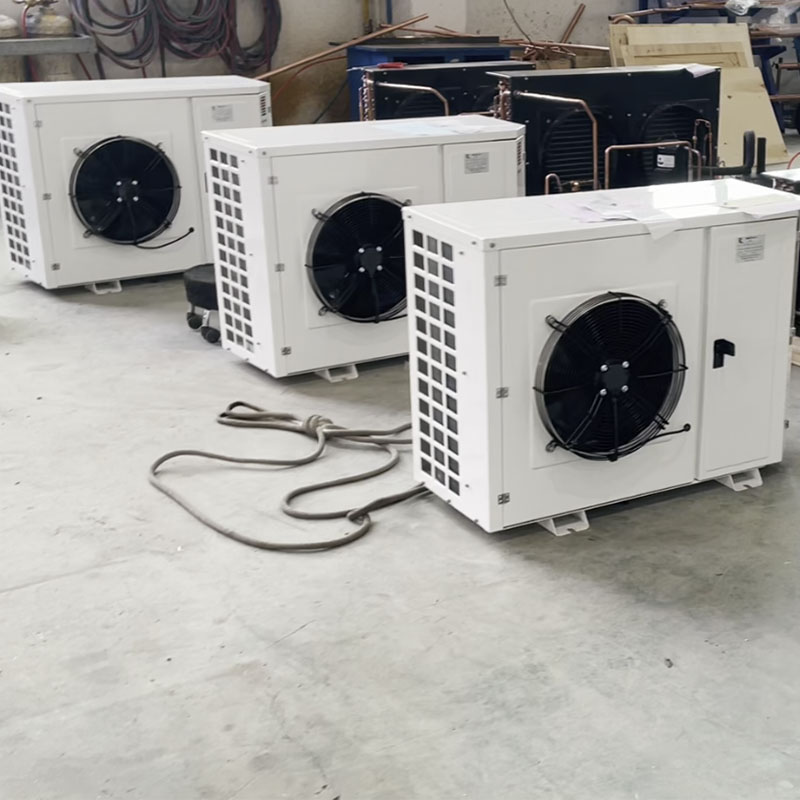
When evaluating the quality of walk-in cooler refrigeration systems, it is essential to consider the manufacturer's adherence to industry standards and certifications. Look for products that comply with relevant local and international regulations, such as those set by the American Society of Heating, Refrigerating and Air-Conditioning Engineers (ASHRAE) or the International Organization for Standardization (ISO).
A reputable manufacturer will typically have a robust quality control process in place. This may include rigorous testing of components—such as compressors and evaporators—before assembly, and final inspections of the completed units. Shanghai EMTH, for instance, leverages over 20 years of manufacturing experience and holds several patents, which can indicate a commitment to quality and innovation. Their Bitzer Condensing Unit is a prime example of their high standards.
It's also beneficial to review customer feedback and case studies to understand real-world performance. This can highlight potential issues and the effectiveness of the equipment in various applications.
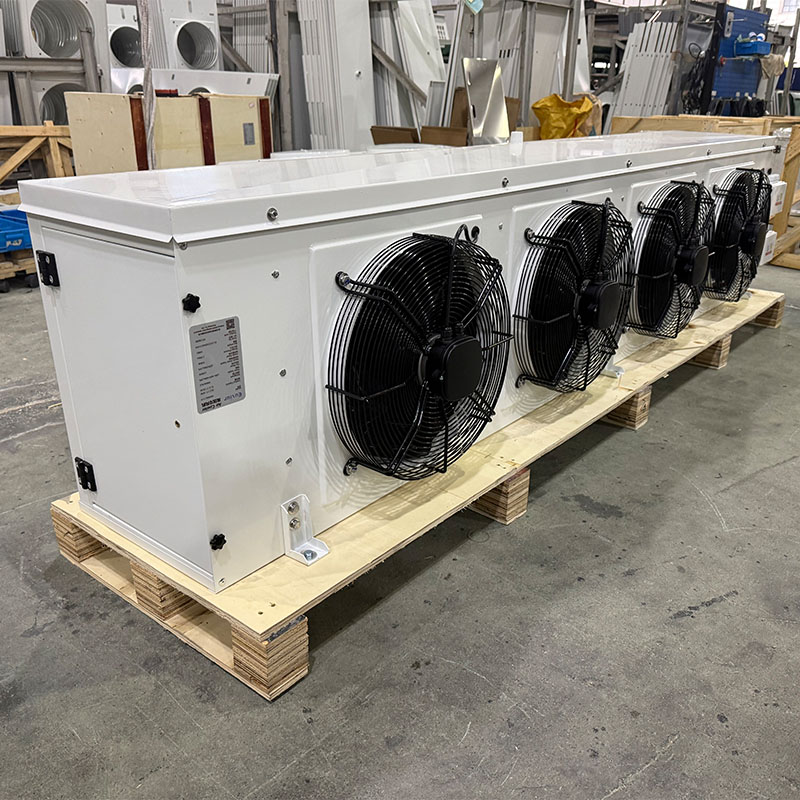
Despite their importance, walk-in cooler refrigeration systems can face common issues that may affect performance. One frequent problem is inadequate cooling, often caused by improper installation, insufficient insulation, or a malfunctioning compressor. To prevent this, ensure that the installation is carried out by qualified personnel and that insulation materials meet the necessary specifications.
Another common issue is frost buildup. This can occur when the evaporator coil is not adequately defrosted, leading to reduced airflow and efficiency. Regular maintenance, including scheduled defrost cycles, can help mitigate this problem. Additionally, consider using advanced defrost controls that can optimize the defrost process based on actual usage patterns.
Leaking refrigerant is another concern that can lead to system inefficiencies and environmental issues. Regular inspections and maintenance are critical to identifying and addressing leaks promptly. Choosing equipment from manufacturers like Shanghai EMTH, known for their reliability, can also reduce the likelihood of encountering these problems.
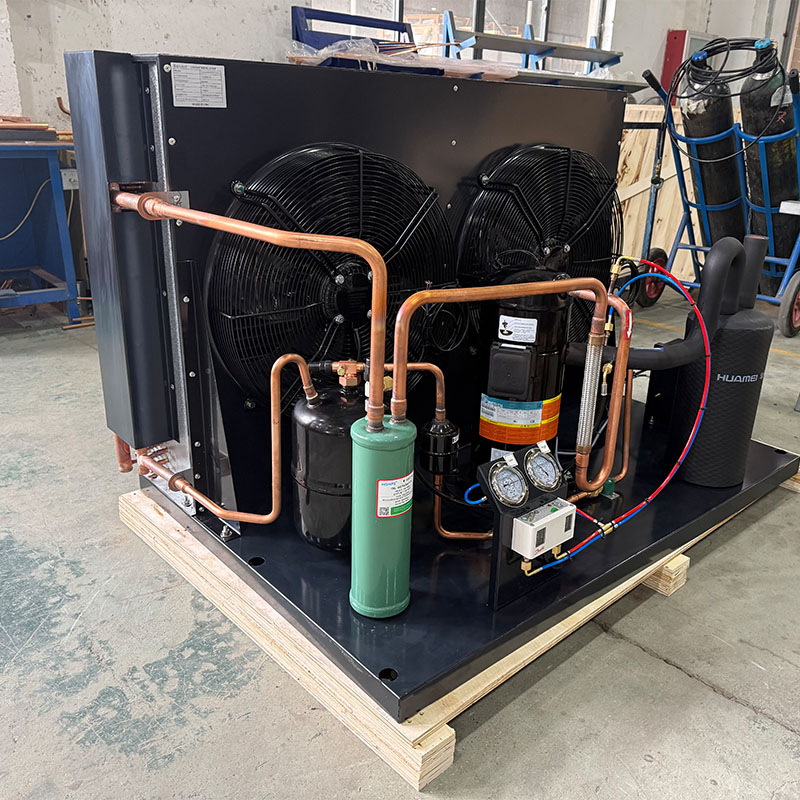
To make an informed purchase decision regarding walk-in cooler refrigeration equipment, it's essential to understand various technical specifications. Key specifications include the cooling capacity (measured in BTUs), temperature range, and airflow rate (CFM, or cubic feet per minute). Each of these factors directly impacts the unit's performance and suitability for specific applications.
The construction materials used in the cooler's walls and doors also play a significant role in thermal efficiency. For instance, insulated panels made from polyurethane or polystyrene can help maintain desired internal temperatures while minimizing energy consumption. Buyers should verify the thickness and insulation ratings of these materials.
Additionally, look for specifications related to the compressor type, as this can influence energy efficiency and noise levels. Scroll compressors are often more efficient and quieter than traditional reciprocating compressors, making them a preferred choice in many applications. For example, an EMTH compressor for refrigeration tools can significantly enhance performance.
With a great reputation in the business and over 3,000+ clients that they have served, EMTH EMTH is a trustworthy established supplier that is praised by its clients.
A modern factory of over 40,000 square meters is available to fulfill the majority of EMTH demands for production.
Over 20 years of experience, we have the complete sales and after-sales systems with more than 20 patents and a professional R&D EMTH team.
With a full service system, from the formulation of plans, production of Condensing units as well as project landing until after-sales assistance, there's special docking.

Welcome to EMTH, a cold storage refrigeration equipment specialist in China! We offer innovative and effective cold storage solutions, including cold storage, evaporator, condensing unit and ice machine.
Room 304-305B, Building 5, BESHINE B.P, No. 559Zhuyuan Road, Minhang District 201112, Shanghai, China
Copyright © Shanghai EMTH Import & Export Co., Ltd. All Rights Reserved. - Privacy Policy
 EN
 AR
 BG
 HR
 CS
 DA
 NL
 FI
 FR
 DE
 EL
 IT
 JA
 KO
 NO
 PL
 PT
 RO
 RU
 ES
 TL
 IW
 ID
 LT
 SR
 VI
 HU
 TH
 MS
 AZ
 JW
 LO
 MN
 SO
 MY
 KK
 TG
 UZ
 GD
 XH