Air cooled and water cooled condensers are essential components in refrigeration systems used across various industries. As a purchasing manager or engineer, understanding the differences between these two types of condensers, along with their specifications and applications, is crucial for making informed decisions. This article will guide you through essential factors to consider when choosing a condenser, reliable suppliers, and technical specifications to ensure you select the best fit for your industrial needs.
Selecting the right condenser involves evaluating several critical factors, including application, efficiency, space constraints, and environmental conditions.
Application Requirements: Different industries have varying cooling needs. For instance, air cooled condensers are often preferred in environments with ample airflow and lower ambient temperatures. In contrast, water cooled condensers are more efficient in high-density cooling applications, such as large-scale industrial refrigeration systems.
Efficiency and Performance: Consider the energy efficiency of the condenser. Water cooled systems typically offer higher efficiency rates, especially in large operations, but require a constant water supply. Air cooled systems may have lower initial costs but can be less efficient in high-temperature environments.
Space and Installation: Evaluate the available space for installation. Air cooled condensers require more outdoor space for proper airflow, while water cooled systems can be installed in tighter spaces but need access to water lines and drainage.
Maintenance and Operation: Maintenance requirements can also influence your decision. Air cooled condensers generally have fewer maintenance needs than water cooled systems, which require regular checks of water quality and flow rates. For more information on maintenance solutions, consider our Refrigeration Accessories.
By considering these factors, you can make a more informed decision about which type of condenser will best meet your operational needs.
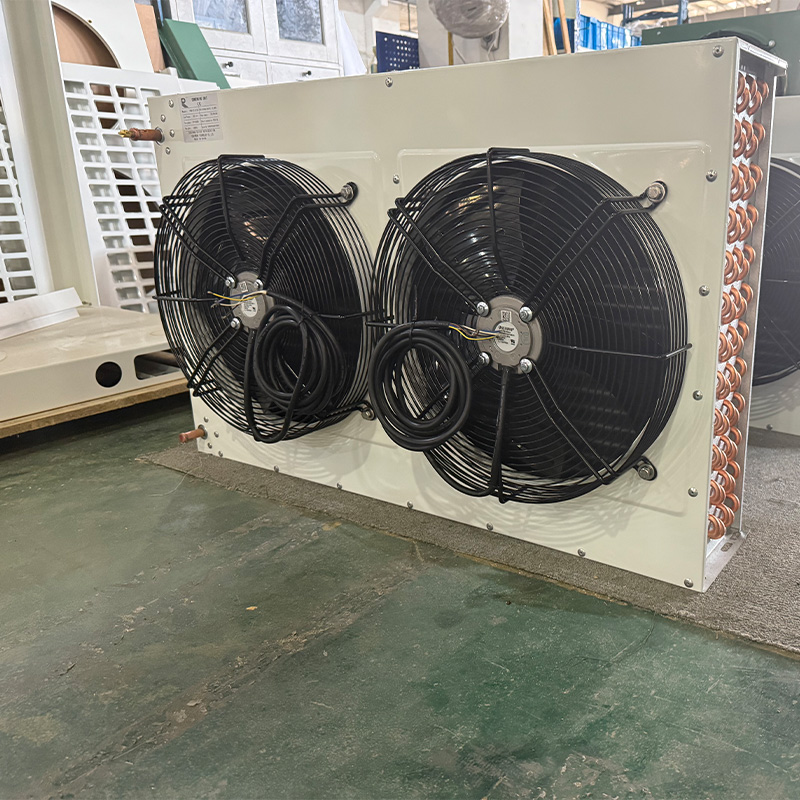
When sourcing condensers, partnering with reliable suppliers is critical. Look for manufacturers with proven industry experience, such as Shanghai EMTH, which specializes in refrigeration equipment with over 20 years of experience and a strong patent portfolio.
Track Record: Check the supplier’s history and reputation within the industry. Positive reviews, testimonials, and case studies can provide insights into their reliability and product quality.
Manufacturing Capabilities: Ensure the supplier has modern manufacturing capabilities and quality control processes in place. This can include advanced production equipment and rigorous testing procedures to guarantee product performance.
Customization Options: Evaluate the supplier’s ability to provide custom solutions tailored to your specific needs. Flexibility in design, material selection, and production can significantly enhance your operational efficiency.
After-Sales Support: A reliable supplier should offer comprehensive after-sales support, including installation guidance, maintenance services, and prompt response to inquiries or issues.
By focusing on these aspects, you can find a supplier that meets your technical and service requirements.
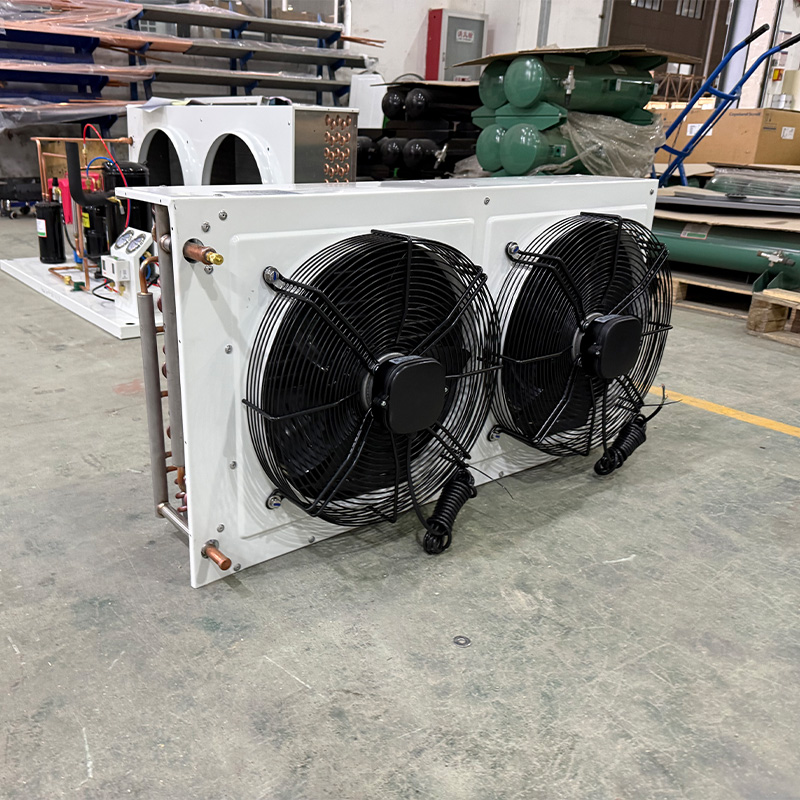
When assessing condenser products, several specifications and features are essential to ensure optimal performance:
Material Quality: The materials used in condenser construction affect durability and efficiency. Copper tubing and aluminum fins are common due to their excellent thermal conductivity and resistance to corrosion.
Size and Capacity: The condenser’s size should match your cooling requirements. Improper sizing can lead to inefficiencies or inadequate cooling. Check the BTU (British Thermal Unit) rating to ensure it meets your system's demands.
Operating Conditions: Consider the temperature and pressure ratings of the condenser. Ensure that these specifications align with your operational environment to avoid premature failure.
Certifications and Compliance: Look for products that meet industry standards and regulations. Certifications can provide assurance of quality and performance, especially in regulated industries.
Warranty and Support: A good warranty policy indicates the manufacturer’s confidence in their product. Ensure that the warranty covers key components and includes support in case of defects or failures.
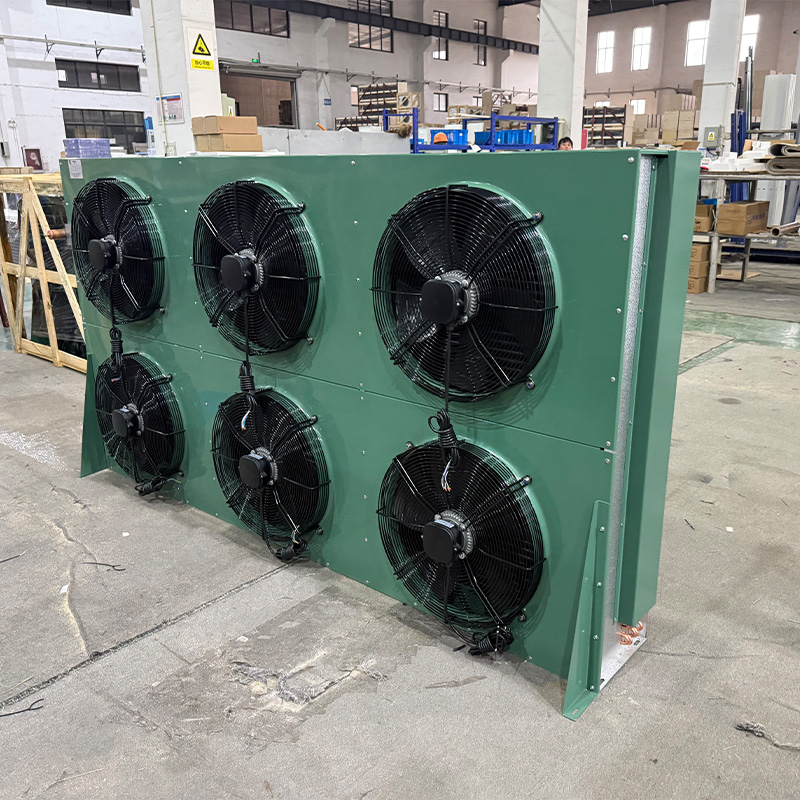
Understanding the technical specifications of air cooled and water cooled condensers can significantly aid in your selection process.
Air Cooled Condensers:Heat Exchange Method: Uses ambient air to dissipate heat, suitable for smaller systems or applications with limited water resources.Efficiency: Generally lower efficiency compared to water cooled systems, especially in high ambient temperatures.Maintenance: Requires less frequent maintenance, mainly focused on cleaning coils and ensuring airflow.Water Cooled Condensers:Heat Exchange Method: Utilizes water to absorb heat, providing higher efficiency, particularly in industrial applications.Cooling Capacity: Typically offers larger cooling capacities and better performance in controlled environments.Maintenance: Requires regular monitoring of water quality and system integrity to prevent scaling and corrosion.Choosing between the two types depends on your specific operational needs and environmental conditions. For more details on design choices, check our Compressor options.
More than 20 years of of experience and a professional R&D EMTH staff.
With a great reputation in the industry with over 3,000+ clients served, EMTH EMTH is a trustworthy known and dependable supplier that has been recognized by other clients.
Special docking is available for a complete system of service. It includes creation of plans, Axial fans, landing plans, and after-sales support.
A modern factory of over 40000 square meters is in place to satisfy the majority of Condensing units requirements.

Welcome to EMTH, a cold storage refrigeration equipment specialist in China! We offer innovative and effective cold storage solutions, including cold storage, evaporator, condensing unit and ice machine.
Room 304-305B, Building 5, BESHINE B.P, No. 559Zhuyuan Road, Minhang District 201112, Shanghai, China
Copyright © Shanghai EMTH Import & Export Co., Ltd. All Rights Reserved. - Privacy Policy
 EN
 AR
 BG
 HR
 CS
 DA
 NL
 FI
 FR
 DE
 EL
 IT
 JA
 KO
 NO
 PL
 PT
 RO
 RU
 ES
 TL
 IW
 ID
 LT
 SR
 VI
 HU
 TH
 MS
 AZ
 JW
 LO
 MN
 SO
 MY
 KK
 TG
 UZ
 GD
 XH