Water cooled and air cooled condensers are essential components in refrigeration and HVAC systems, providing efficient heat exchange to maintain optimal temperatures in various applications. Selecting the right condenser can significantly impact operational efficiency and cost-effectiveness. This article will address key specifications to consider, common issues, application areas, and tips for finding reliable suppliers, helping purchasing managers and engineers make informed decisions when sourcing these vital components.
When evaluating water cooled and air cooled condensers, several key specifications should be considered to ensure optimal performance.
Cooling Capacity: The cooling capacity, typically measured in BTUs or kilowatts, indicates how much heat the condenser can remove from the system. It is essential to match this capacity with the specific cooling needs of your application.
Material Construction: The materials used in the condenser—often copper, aluminum, or stainless steel—affect thermal conductivity, durability, and resistance to corrosion. For example, copper offers excellent heat transfer but may be more prone to corrosion compared to stainless steel, which is more durable but may have lower thermal efficiency.
Dimensions and Footprint: The size and shape of the condenser must fit the installation space available. Ensure to consider the condenser's height, width, and depth, as well as any additional space needed for airflow and maintenance access.
Operating Temperature Range: Condensers must be able to operate effectively within the temperature ranges specific to the application. Verify that the selected model can handle the maximum expected temperature and pressure.
Efficiency Ratings: Look for efficiency ratings such as EER (Energy Efficiency Ratio) or SEER (Seasonal Energy Efficiency Ratio) to assess the energy consumption relative to the cooling output. Higher efficiency ratings indicate lower energy costs over time. For instance, considering models like Bitzer Condensing Unit can be beneficial for efficiency.
Understanding these specifications will help buyers select a condenser that meets their operational requirements and budget constraints.
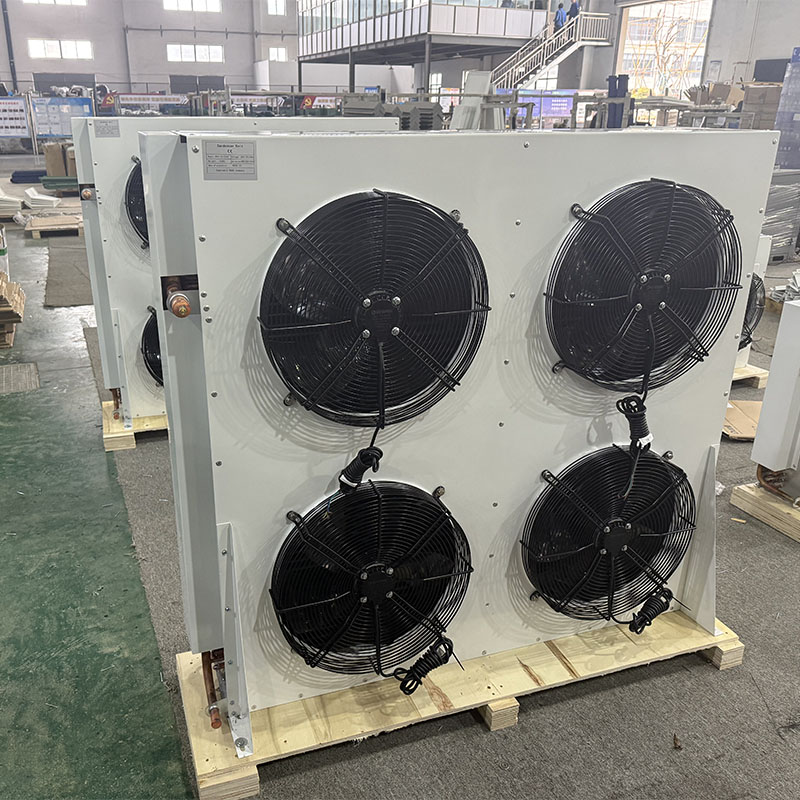
When searching for water cooled and air cooled condensers, consider the following aspects to ensure you select a product that aligns with your needs:
Performance Data: Request performance charts that detail how the condenser operates under varying conditions. This data helps predict energy use and cooling capacity in real-world scenarios.
Certifications and Compliance: Confirm that the condensers meet industry standards and regulations relevant to your market, such as AHRI (Air-Conditioning, Heating, and Refrigeration Institute) certifications. Compliance with safety and environmental standards is critical for reliable operation.
Customization Options: Some applications may require specific modifications. Discuss your needs with manufacturers to explore available customization options, such as different materials, sizes, or additional features like variable speed fans. For example, models like YH Type Condenser offer various customization features.
Warranty and Support: Evaluate the warranty provided by the manufacturer. A robust warranty indicates confidence in product quality and provides peace of mind for long-term investments.
Installation Requirements: Understand the installation process, including any specific requirements for connections, power supply, and space considerations. This knowledge will aid in planning and budgeting for the installation phase.
By focusing on these critical factors, buyers can ensure that their selected condensers perform optimally and reduce the likelihood of future problems.
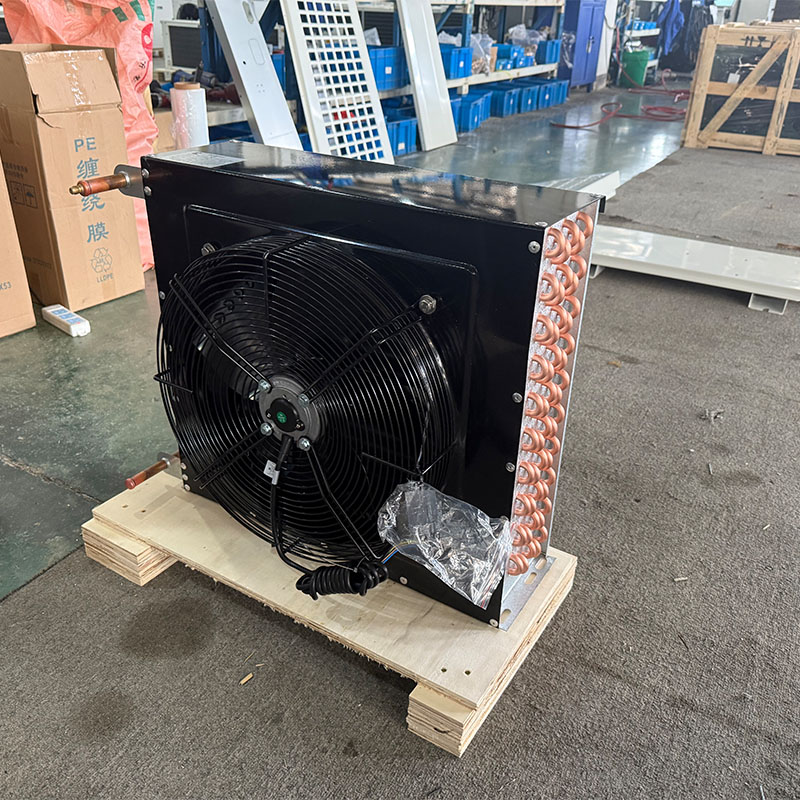
Condensers, like any mechanical system, can experience issues that impact performance. Here are some common problems and their solutions:
Insufficient Cooling: This issue can arise from several factors such as inadequate refrigerant charge, airflow restrictions, or dirty coils. Regular maintenance, including cleaning the coils and checking refrigerant levels, can prevent this problem.
Corrosion: Especially in water cooled condensers, corrosion can lead to leaks and reduced efficiency. Using corrosion-resistant materials and applying protective coatings can mitigate this risk. Regular inspections and maintenance are also crucial.
Noise Issues: Excessive noise can be a sign of mechanical wear or improper installation. Ensure that the condenser is mounted securely and that all components are functioning correctly. Sometimes, simply tightening loose parts or adjusting fan settings can solve noise problems.
Frost Build-Up: Frost accumulation can occur if the condenser is operating below its intended temperature range or if airflow is restricted. Regular checks and maintenance to ensure proper airflow can help prevent this issue.
Addressing these common problems proactively can enhance the reliability and longevity of water cooled and air cooled condensers.
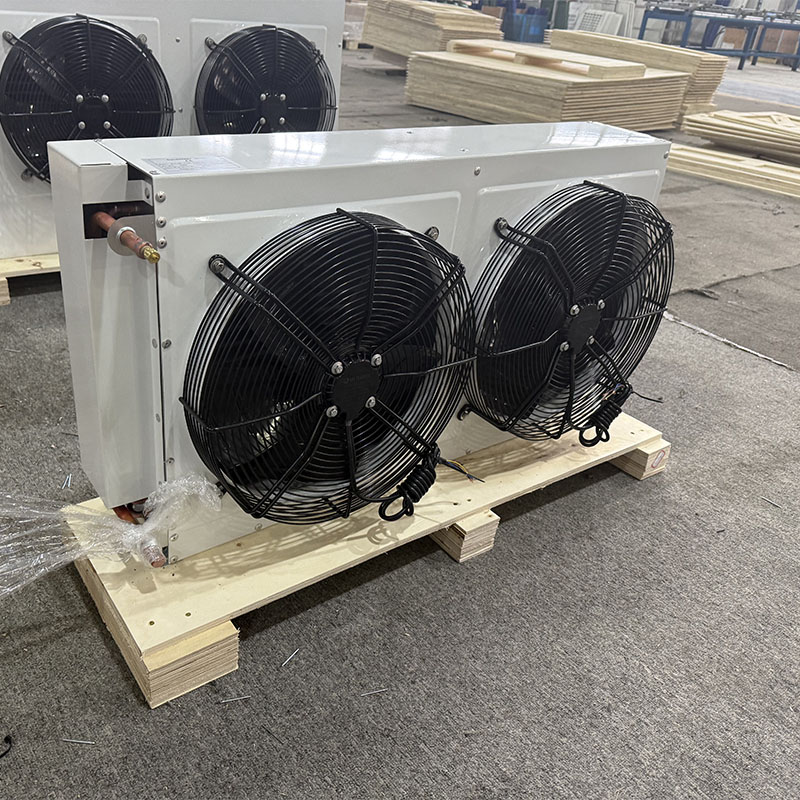
Water cooled and air cooled condensers find applications across various industries, each with unique requirements:
Commercial Refrigeration: Supermarkets and food processing facilities often utilize these condensers for walk-in coolers and freezers. Water cooled condensers are typically preferred for their higher efficiency in larger systems, while air cooled units are used in smaller setups.
HVAC Systems: Both types of condensers are integral in large building HVAC systems. Water cooled condensers are often favored in urban environments where water sources are readily available, while air cooled condensers are more common in rooftop units.
Industrial Processes: Manufacturing plants, especially those needing precise temperature control, frequently use water cooled condensers. They offer greater efficiency in processes like chemical manufacturing, where heat removal is critical.
Data Centers: With high heat loads from servers, air cooled condensers are often employed in data centers for efficient heat management. Proper sizing and configuration are essential to maintain optimal operating conditions. For instance, using a Compressor For Refrigeration Tools And Equipment can be a crucial component in these setups.
Each application has specific requirements that dictate the choice between water cooled and air cooled condensers, making it vital for buyers to understand their operational needs.
More than 20 years of' experience and an experienced EMTH R&D staff.
With a full service system, from the formulation of plans, production of Condensing units as well as project landing until after-sales assistance, there's special docking.
EMTH EMTH has a track record in the field with over 3,000+ happy customers.
A modern factory of over 40000 square meters is in place to meet the majority of the EMTH production needs.

Welcome to EMTH, a cold storage refrigeration equipment specialist in China! We offer innovative and effective cold storage solutions, including cold storage, evaporator, condensing unit and ice machine.
Room 304-305B, Building 5, BESHINE B.P, No. 559Zhuyuan Road, Minhang District 201112, Shanghai, China
Copyright © Shanghai EMTH Import & Export Co., Ltd. All Rights Reserved. - Privacy Policy
 EN
 AR
 BG
 HR
 CS
 DA
 NL
 FI
 FR
 DE
 EL
 IT
 JA
 KO
 NO
 PL
 PT
 RO
 RU
 ES
 TL
 IW
 ID
 LT
 SR
 VI
 HU
 TH
 MS
 AZ
 JW
 LO
 MN
 SO
 MY
 KK
 TG
 UZ
 GD
 XH