The R448A condensing unit is a crucial component in refrigeration systems, specifically designed for efficient cooling in various industrial applications. As a purchasing manager or engineer, understanding the specifications, quality, installation, and potential issues with these units is essential for making informed decisions. This article will guide you through key considerations when evaluating R448A condensing units, ensuring you choose a reliable solution for your cooling needs.
When selecting an R448A condensing unit, several specifications are pivotal to ensure optimal performance. Key parameters include:
Cooling Capacity: Measured in BTUs or kW, this indicates the unit's ability to transfer heat. Ensure the capacity aligns with your cooling requirements to avoid underperformance or energy inefficiency.
Operating Pressure: The maximum and minimum pressure ratings are critical for safe operation. Units must be compatible with your system’s pressure requirements to prevent failures.
Dimensions: Physical size affects installation space and integration with existing systems. Verify the dimensions to ensure a proper fit in your designated area.
Energy Efficiency: Look for units with high Energy Efficiency Ratios (EER) or Seasonal Energy Efficiency Ratios (SEER). Higher efficiency ratings reduce long-term energy costs and environmental impact.
Refrigerant Type: R448A is designed to replace R404A, offering lower global warming potential. Confirm that the unit’s refrigerant aligns with your environmental compliance needs. Additionally, utilizing high-quality Refrigeration Accessories can enhance the performance of your system.
Material Durability: The construction material impacts longevity and resistance to corrosive environments. Steel or coated metals are often preferred for their durability.
Evaluating these specifications will help ensure that the R448A condensing unit you choose meets your operational requirements and environmental standards.
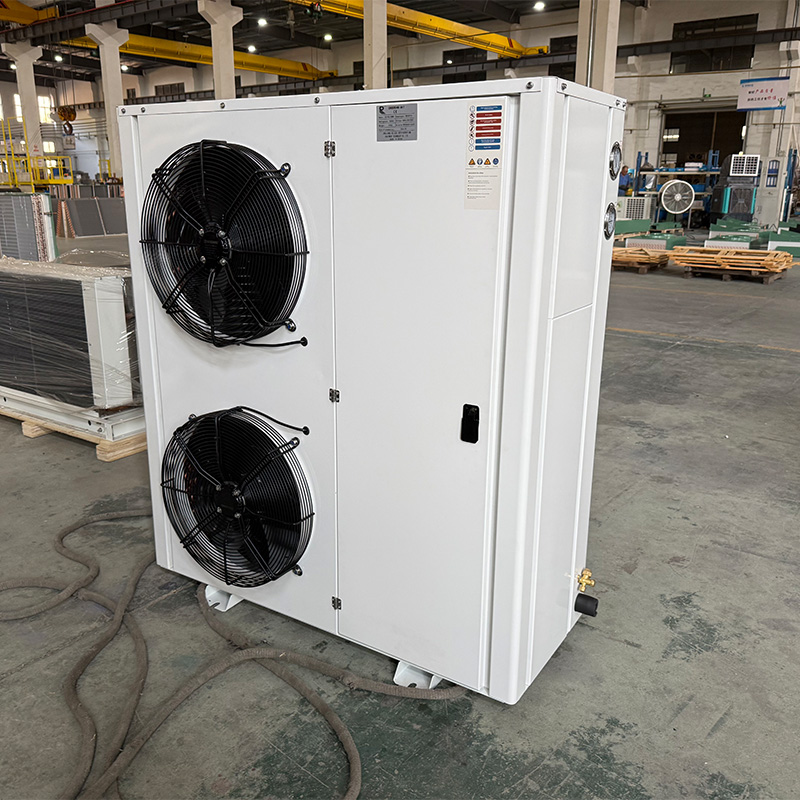
Quality assessment of R448A condensing units involves examining several factors:
Manufacturing Standards: Choose units produced in facilities that adhere to international quality standards, such as ISO 9001. This ensures consistent manufacturing processes and reliable product quality.
Certifications: Look for products with relevant industry certifications, which can indicate compliance with safety and environmental regulations. These may include CE, UL, or EPA certifications for refrigerants.
Testing Procedures: Reliable manufacturers conduct rigorous testing, including performance under load conditions and durability against operational stresses. Request details on these tests to gauge product reliability.
Warranty and Support: A robust warranty indicates manufacturer confidence in product quality. Evaluate warranty terms and the availability of technical support for troubleshooting and maintenance.
Customer Reviews and Case Studies: Research feedback from other users in similar applications. Case studies can provide insights into how the units perform in real-world scenarios.
By thoroughly evaluating these aspects, you can make a more informed choice that aligns with your application needs.
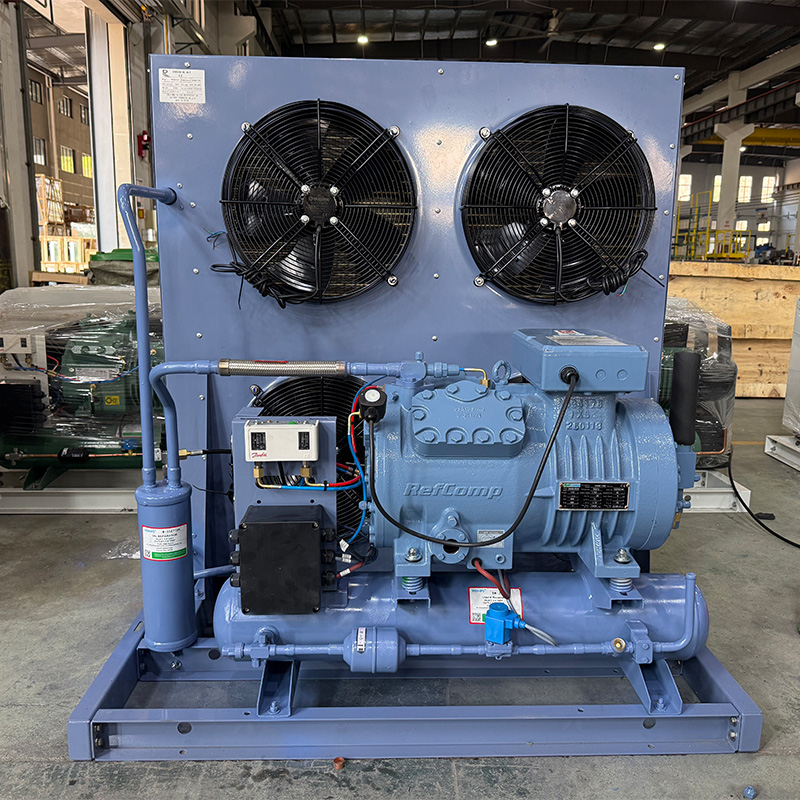
Proper installation of an R448A condensing unit is crucial for optimal performance and longevity. Here are key installation considerations:
Site Preparation: Ensure the installation site is clean, level, and free from obstructions. Proper airflow is essential for unit efficiency.
Electrical Requirements: Confirm that the electrical supply matches the unit’s specifications. An inadequate power supply can lead to performance issues or damage.
Piping Configuration: Follow manufacturer guidelines for refrigerant line sizing and installation to minimize pressure drops and improve efficiency. Insulation of the piping is also crucial to prevent energy loss.
Vibration Isolation: Incorporate vibration isolators to reduce noise and potential damage to the unit and surrounding structures. This is particularly important in commercial applications where noise levels must be controlled.
Leak Testing: After installation, conduct thorough leak tests on refrigerant lines to ensure system integrity. Any leaks can compromise performance and lead to costly repairs.
Following these guidelines will help ensure a successful installation, enhancing the unit’s operational efficiency and lifespan.
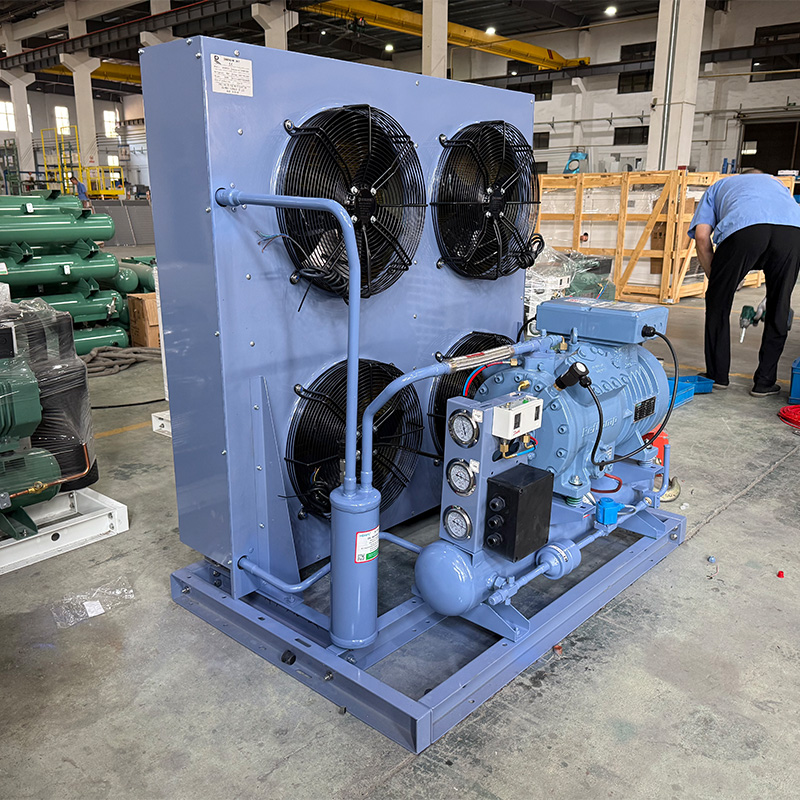
While R448A condensing units are reliable, users may encounter common issues. Here are some typical problems and their solutions:
Inadequate Cooling: This can stem from insufficient refrigerant levels, dirty filters, or a malfunctioning compressor. Regular maintenance, including filter changes and refrigerant checks, can prevent these issues.
High Energy Consumption: If the unit is consuming more energy than expected, it could indicate a need for maintenance or that the unit is improperly sized for the application. Conduct an energy audit to identify inefficiencies.
Noise and Vibration: Excessive noise may be caused by loose components or inadequate mounting. Regular inspections and tightening of loose parts can mitigate this problem.
Refrigerant Leaks: Leaks can significantly impact performance and should be addressed immediately. Regular inspections and maintenance are essential to identify and repair leaks early.
Frost Build-Up: Frost on the evaporator coils may occur due to low refrigerant levels or airflow issues. Ensure proper airflow and check refrigerant levels to prevent frost formation.
Understanding these common challenges and their solutions will aid in maintaining the efficiency and reliability of your R448A condensing unit.
With a full service system, from the formulation of plans, production of Condensing units as well as project landing until after-sales assistance, there's special docking.
A modern factory of over 40,000 square meters is available to fulfill the majority of EMTH demands for production.
With more than 20 years of knowledge, we've developed a a complete production and sales and after-sales system with more than 20 patent certificates and a highly skilled R&D EMTH team.
EMTH has a long-standing track record of success in the industry with more than 3,000 satisfied customers.

Welcome to EMTH, a cold storage refrigeration equipment specialist in China! We offer innovative and effective cold storage solutions, including cold storage, evaporator, condensing unit and ice machine.
Room 304-305B, Building 5, BESHINE B.P, No. 559Zhuyuan Road, Minhang District 201112, Shanghai, China
Copyright © Shanghai EMTH Import & Export Co., Ltd. All Rights Reserved. - Privacy Policy
 EN
 AR
 BG
 HR
 CS
 DA
 NL
 FI
 FR
 DE
 EL
 IT
 JA
 KO
 NO
 PL
 PT
 RO
 RU
 ES
 TL
 IW
 ID
 LT
 SR
 VI
 HU
 TH
 MS
 AZ
 JW
 LO
 MN
 SO
 MY
 KK
 TG
 UZ
 GD
 XH