Freezer condensing units are critical components in refrigeration systems, designed to efficiently remove heat from a space to maintain low temperatures. For businesses in the food service, pharmaceutical, and industrial sectors, selecting the right freezer condensing unit is essential to ensure optimal performance and reliability. This article will address key considerations for sourcing, comparing features, evaluating costs, and ensuring proper installation and suitability for specific projects, ultimately aiding purchasing managers and engineers in making informed decisions.
Finding a dependable supplier for freezer condensing units is crucial for ensuring product quality and support. Start by researching manufacturers with a proven track record in refrigeration equipment. Look for companies with extensive experience, such as Shanghai EMTH, a branch of Zhejiang RUIXUE, which has over 20 years in the industry and holds 20 patents in refrigeration technology. It’s also beneficial to evaluate suppliers based on their production capabilities, quality control processes, and ability to offer comprehensive service.
Additionally, consider suppliers that provide customization options to meet specific operational needs. Engaging with manufacturers that offer one-stop solutions for cold room setups can streamline procurement processes. Ensure to request product samples and detailed specifications to confirm compatibility with your existing systems before making a commitment.
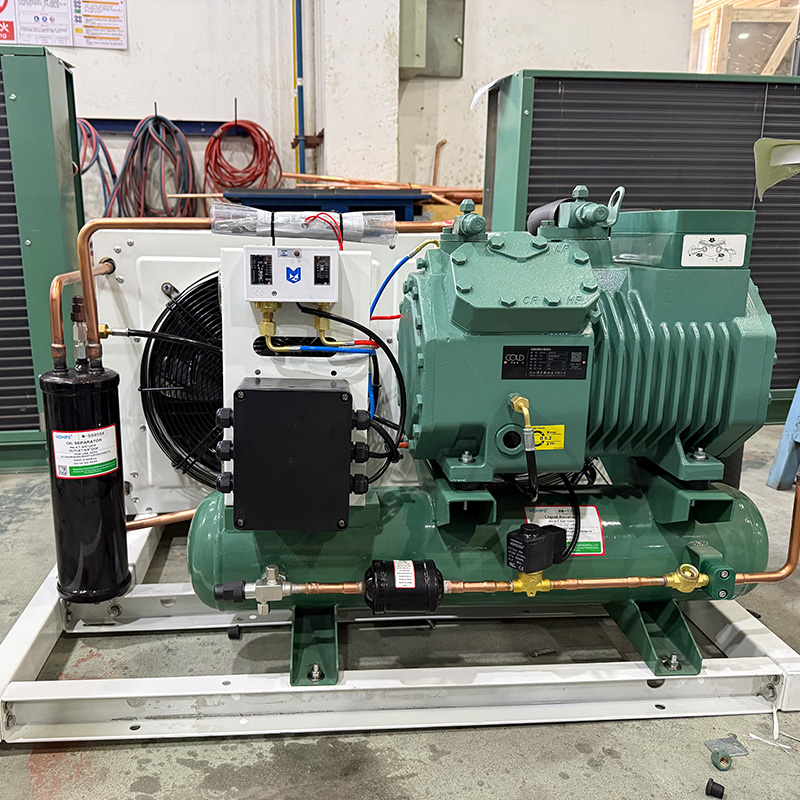
When comparing freezer condensing units, focus on several critical features:
Cooling Capacity: Measure the unit’s ability to remove heat, typically rated in BTUs (British Thermal Units). Ensure the capacity aligns with your refrigeration needs to avoid overloading or underperformance.
Compressor Type: Different compressors (reciprocating, scroll, or rotary) offer varying efficiencies and noise levels. Identify which type best suits your operational environment.
Energy Efficiency: Look for units with high energy efficiency ratings. This not only reduces operational costs but also aligns with sustainability goals.
Temperature Range: Confirm that the unit can operate within the necessary temperature range for your applications, as this can impact product quality and safety.
Material and Build Quality: Investigate the materials used in construction. High-quality metals and refrigerants can enhance durability and performance.
Control Systems: Advanced control features, such as digital thermostats and remote monitoring capabilities, can improve usability and efficiency.
By comparing these features, you can select a freezer condensing unit that meets both your operational and budgetary requirements.
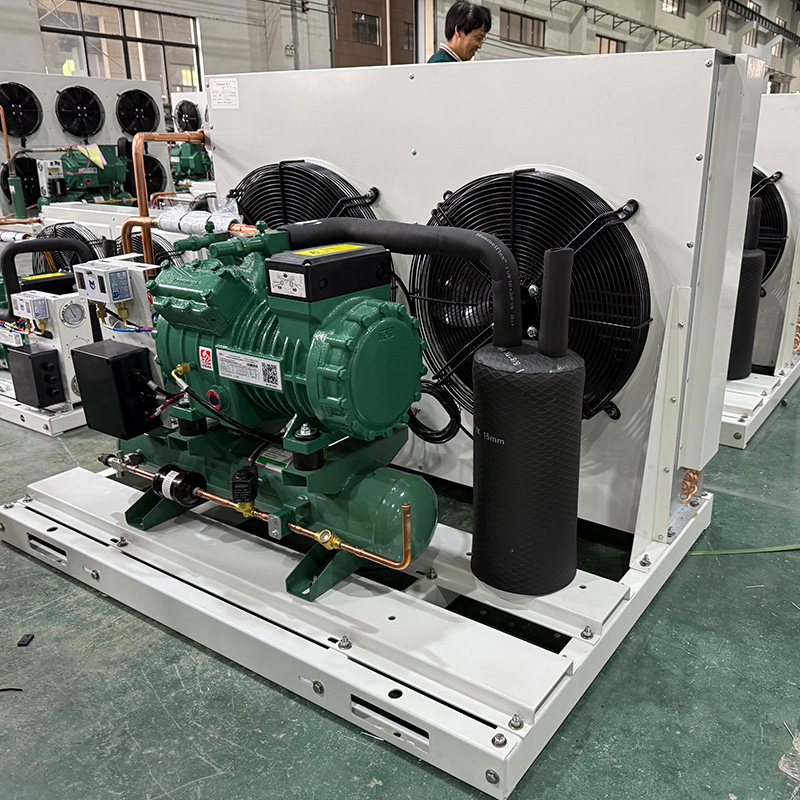
When evaluating the cost of freezer condensing units, several factors come into play:
Initial Purchase Price: While it may be tempting to opt for the lowest-cost unit, consider the long-term implications of energy efficiency and durability. Higher initial costs may lead to lower operational expenses.
Installation Costs: Factor in installation fees, which can vary based on the complexity of the setup. Ensure you understand any additional requirements for your facility.
Maintenance and Repair Costs: Regular maintenance is essential for optimal performance. Inquire about the expected lifespan of components and the frequency of required maintenance.
Warranty and Support: Assess the warranty terms offered by the manufacturer. A strong warranty can provide peace of mind and indicate the company’s confidence in its product.
Energy Consumption: Estimate ongoing energy costs based on the unit’s efficiency rating. A more efficient unit can lead to significant savings over time.
By analyzing these cost factors, you can make an informed decision that balances upfront investment with long-term value.
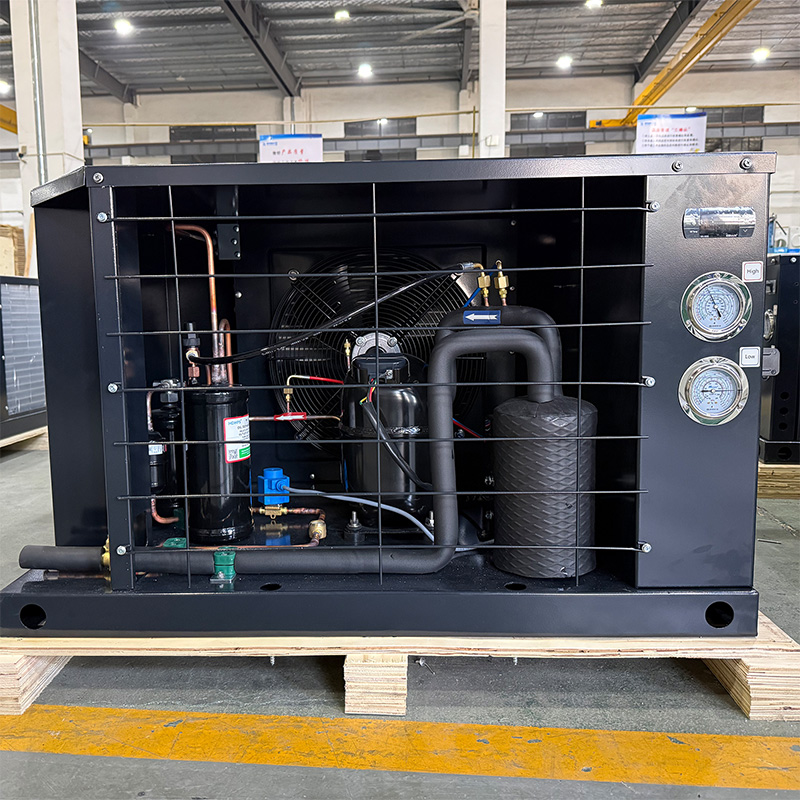
Proper installation of freezer condensing units is critical to ensure efficient operation. Here are several steps to follow:
Location Selection: Choose a well-ventilated area away from direct sunlight to enhance cooling efficiency. The unit should also be accessible for maintenance.
Electrical Requirements: Confirm that your facility meets the electrical specifications required by the unit. Ensure that circuit breakers and wiring can support the unit’s power needs.
Ductwork and Piping: Evaluate the necessary ductwork and refrigerant piping. Proper installation will minimize energy loss and optimize cooling performance.
Testing: After installation, conduct a thorough testing phase to check for leaks, proper airflow, and temperature stability. This ensures that the unit operates within the desired parameters.
Regular Maintenance Schedule: Establish a routine maintenance plan to inspect and service the unit. Regular checks can prevent unexpected failures and extend the lifespan of the equipment.
Following these guidelines will help ensure that your freezer condensing unit operates efficiently and reliably.
We have more than 20 years of experience and an experienced R&D EMTH.
EMTH has a long-standing track record of success in the industry with more than 3,000 satisfied customers.
The modern factory has an area greater than 40,000 square meters, to satisfy the majority of the EMTH production requirements.
Complete service program, from formulating of plans, production of Cold room as well as project landing until after-sales service, there are specific docking.

Welcome to EMTH, a cold storage refrigeration equipment specialist in China! We offer innovative and effective cold storage solutions, including cold storage, evaporator, condensing unit and ice machine.
Room 304-305B, Building 5, BESHINE B.P, No. 559Zhuyuan Road, Minhang District 201112, Shanghai, China
Copyright © Shanghai EMTH Import & Export Co., Ltd. All Rights Reserved. - Privacy Policy
 EN
 AR
 BG
 HR
 CS
 DA
 NL
 FI
 FR
 DE
 EL
 IT
 JA
 KO
 NO
 PL
 PT
 RO
 RU
 ES
 TL
 IW
 ID
 LT
 SR
 VI
 HU
 TH
 MS
 AZ
 JW
 LO
 MN
 SO
 MY
 KK
 TG
 UZ
 GD
 XH