Mini refrigeration units are essential components in various industrial and commercial applications, offering efficient cooling solutions for a range of products and environments. As a specialized manufacturer with over 20 years of experience and a robust portfolio of 20 patents, Shanghai EMTH provides quality mini refrigeration units that meet diverse industry needs. This article addresses common concerns B2B buyers may have, such as product selection, specifications, purchasing considerations, and supplier reliability, helping you make informed decisions when sourcing mini refrigeration units.
Selecting the appropriate mini refrigeration unit requires a clear understanding of your specific cooling requirements. Factors to consider include the unit's cooling capacity, which is typically measured in British Thermal Units (BTUs). This measurement indicates how much heat the unit can remove from the environment in an hour. For instance, if you're cooling a small commercial kitchen, a unit with a capacity of 5,000 to 10,000 BTUs may suffice, but larger spaces or specific applications may require higher capacities.
Additionally, consider the dimensions and design of the unit. Ensure it fits the designated space and integrates seamlessly with existing equipment. In terms of materials, units made from corrosion-resistant materials are preferable for environments with high humidity or potential chemical exposure. Understanding the operating environment—such as temperature fluctuations and humidity levels—will also guide your selection process. For example, integrating an Air Curtain can enhance the efficiency of your cooling solutions.
Lastly, confirm any customization options available to meet unique application requirements, such as specific voltage needs or additional features like adjustable thermostats and digital displays.
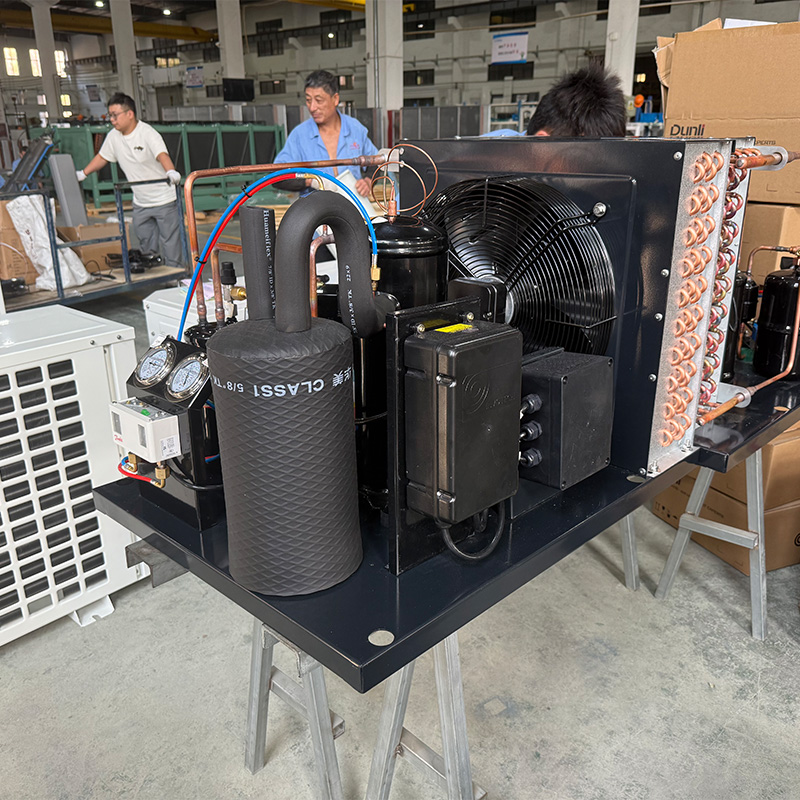
When purchasing mini refrigeration units wholesale, several factors can impact your decision-making process. First, assess the manufacturer's production capabilities, including their minimum order quantity (MOQ), which can vary significantly between suppliers. Understanding the MOQ will help you gauge whether a supplier can accommodate your order size while managing lead times effectively.
Pricing is another pivotal consideration. Inquire about bulk pricing discounts and any additional costs, such as shipping and import tariffs. Knowing the total cost of ownership, which includes maintenance and operational efficiency, is crucial for comparing long-term value across different suppliers.
Moreover, quality assurance processes are vital. Ensure that the manufacturer adheres to rigorous quality control standards. For example, Shanghai EMTH implements thorough inspections and testing protocols to ensure that every mini refrigeration unit meets industry standards for performance and reliability. Request documentation that verifies their quality certifications, as these can provide additional confidence in their products. Utilizing components such as Solenoid Valves can further enhance system reliability.
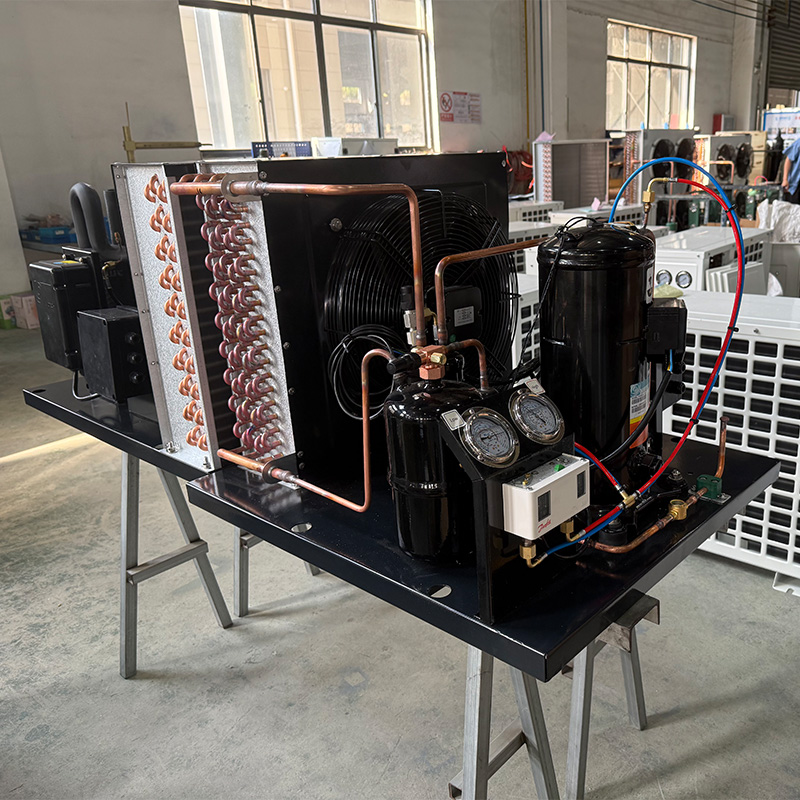
Identifying reliable suppliers for mini refrigeration units involves research and due diligence. Start by exploring industry directories and online marketplaces that specialize in industrial equipment. Networking at industry trade shows or conferences can also yield valuable leads.
Consider suppliers with a proven track record in the refrigeration industry. For instance, Shanghai EMTH, with over two decades of experience, showcases its expertise in manufacturing and delivering high-quality refrigeration solutions. Look for suppliers that openly share customer testimonials and case studies, as these can offer insights into their reliability and service quality.
Additionally, evaluate their customer support capabilities. A responsive supplier who provides technical assistance and after-sales support can significantly enhance your purchasing experience and ensure that any issues can be resolved quickly.
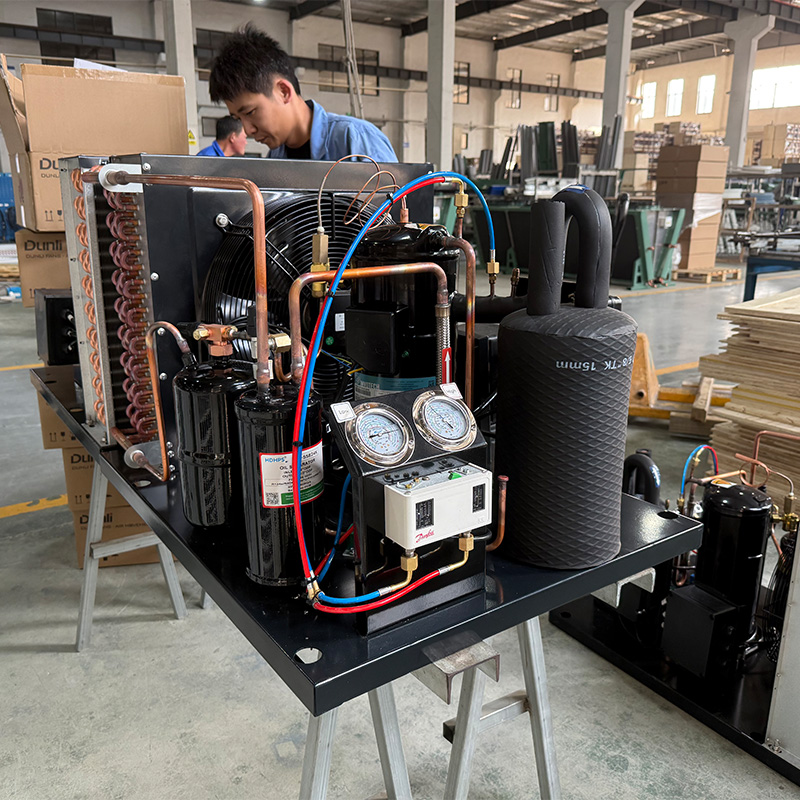
When comparing mini refrigeration units, focus on key specifications and features that align with your project requirements. Begin with the cooling capacity, ensuring it meets the demands of your application. Units with adjustable or variable speed compressors can provide better energy efficiency, adapting to changing cooling needs.
Next, examine the energy efficiency rating, typically indicated by the Energy Efficiency Ratio (EER) or Seasonal Energy Efficiency Ratio (SEER). Higher ratings indicate better energy performance, which can lead to significant cost savings over time.
Look at the construction materials and design features that impact durability and maintenance. Units with easy-access filters and simple cleaning protocols can reduce operational downtime and maintenance costs.
Finally, review warranty offerings. A robust warranty can provide peace of mind and indicate the manufacturer's confidence in their product's longevity and performance.
Over 20 years of experience, we have the complete sales and after-sales systems with more than 20 patents and a professional R&D EMTH team.
With a full service system, from the formulation of plans, production of Condensing units as well as project landing until after-sales assistance, there's special docking.
A modern plant of over 4000 square meters is in operation to meet the majority Refrigeration condenser production requirements.
With a great reputation in the business and over 3,000+ clients that they have served, EMTH EMTH is a trustworthy established supplier that is praised by its clients.

Welcome to EMTH, a cold storage refrigeration equipment specialist in China! We offer innovative and effective cold storage solutions, including cold storage, evaporator, condensing unit and ice machine.
Room 304-305B, Building 5, BESHINE B.P, No. 559Zhuyuan Road, Minhang District 201112, Shanghai, China
Copyright © Shanghai EMTH Import & Export Co., Ltd. All Rights Reserved. - Privacy Policy
 EN
 AR
 BG
 HR
 CS
 DA
 NL
 FI
 FR
 DE
 EL
 IT
 JA
 KO
 NO
 PL
 PT
 RO
 RU
 ES
 TL
 IW
 ID
 LT
 SR
 VI
 HU
 TH
 MS
 AZ
 JW
 LO
 MN
 SO
 MY
 KK
 TG
 UZ
 GD
 XH