Monoblock condensing units for cold storage play a crucial role in maintaining the efficiency and reliability of refrigeration systems. These compact units are designed to provide effective cooling solutions in various applications, including food storage, pharmaceuticals, and other temperature-sensitive products. For purchasing managers and engineers, understanding the right specifications, quality indicators, and potential challenges is essential for making informed decisions. This article will guide you through key considerations when sourcing monoblock condensing units, helping you ensure that your investments meet operational standards and performance requirements.
When sourcing monoblock condensing units for cold storage, it is essential to evaluate several factors that impact performance and suitability for your specific application. First, consider the cooling capacity required for your facility. This will depend on the size of the storage space, the type of products being stored, and the ambient temperature conditions.
Next, assess the energy efficiency of the units. Look for models that comply with energy efficiency standards, as this will help reduce operational costs over time. Pay attention to the refrigerants used in the units, as some may have environmental implications.
Additionally, consider the unit's dimensions and configuration to ensure compatibility with your existing infrastructure. Customization options are also worth exploring, as manufacturers like Shanghai EMTH can tailor solutions to meet specific operational needs, including the integration of Refrigeration Accessories.
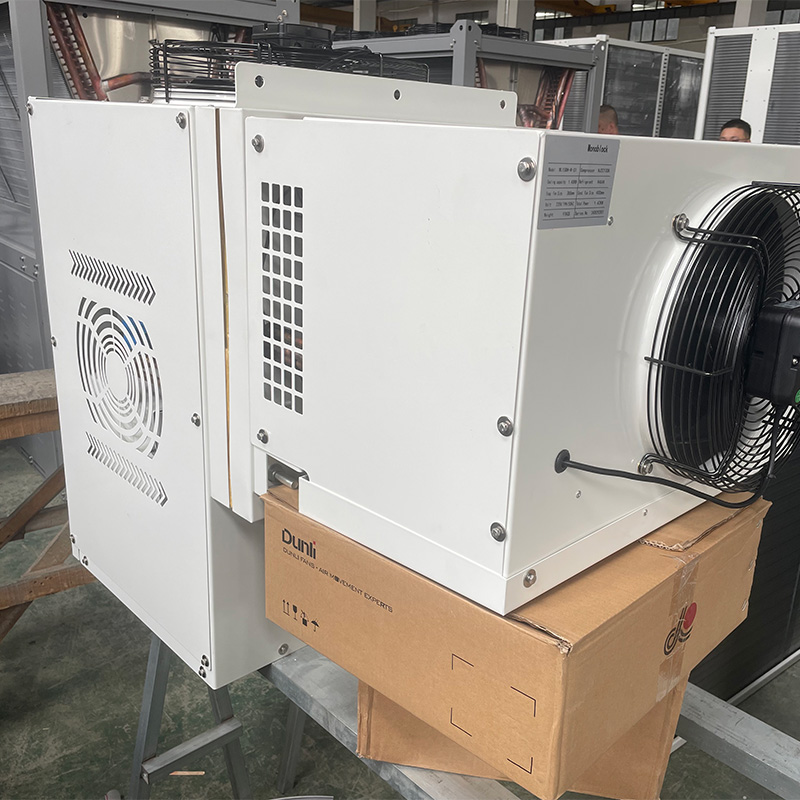
Understanding key specifications is vital when evaluating monoblock condensing units. Important parameters include:
Cooling Capacity: Measured in BTUs (British Thermal Units) or kW, this indicates how much heat the unit can remove from the storage area. Ensure the capacity aligns with your cooling requirements.
Refrigerant Type: Common refrigerants include R404A and R134A. Each has different thermal properties and environmental impacts, so select one that meets regulatory standards and efficiency goals.
Compressor Type: The choice between reciprocating or scroll compressors affects performance, efficiency, and noise levels. Reciprocating compressors are generally more robust, while scroll compressors are quieter and more energy-efficient, often found in high-quality Compressor models.
Operating Temperature Range: Ensure the unit can maintain the desired temperature range for your products, typically between -20°C to +5°C for cold storage.
Energy Efficiency Ratings: Look for units with high Seasonal Energy Efficiency Ratios (SEER) or Energy Efficiency Ratios (EER) to minimize energy consumption.
Understanding these specifications allows buyers to select units that not only fit their operational needs but also optimize energy use and reduce environmental impact.
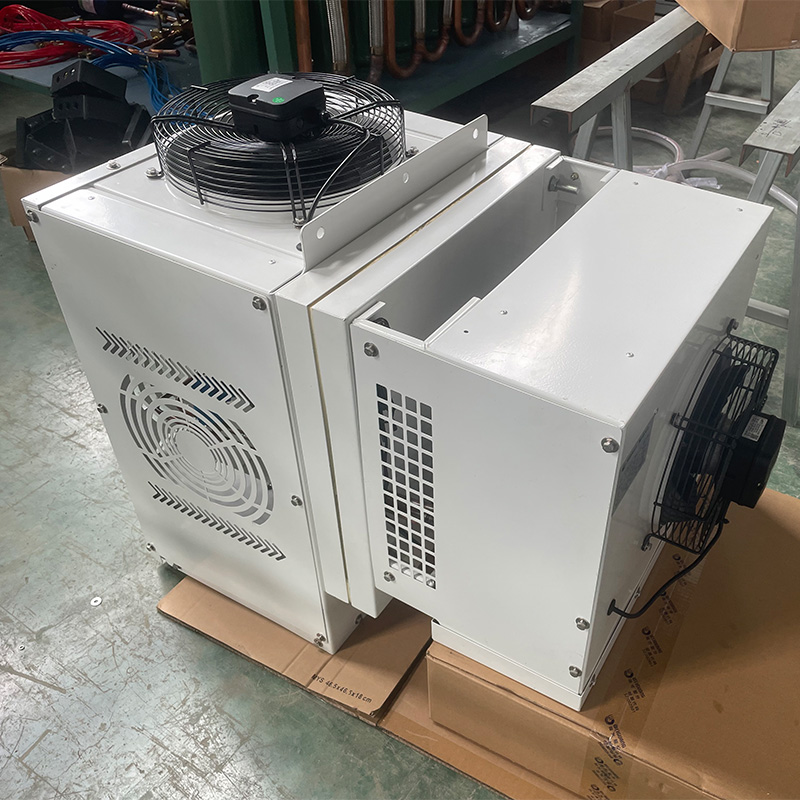
Quality evaluation is critical when selecting monoblock condensing units. Start by verifying the manufacturer's certifications and quality control processes. Established manufacturers, such as Shanghai EMTH, often have stringent quality assurance systems in place to ensure product reliability and longevity.
Next, request detailed information about the materials used in construction. High-quality units typically feature corrosion-resistant materials and robust insulation to withstand varying temperature conditions.
Additionally, consider the manufacturer's production capabilities and experience. Companies with extensive industry experience and a track record of innovation, like Shanghai EMTH, are likely to provide products that meet or exceed industry standards.
Finally, always request product samples or prototypes. Testing a sample under actual operating conditions can reveal performance issues that may not be evident from specifications alone.
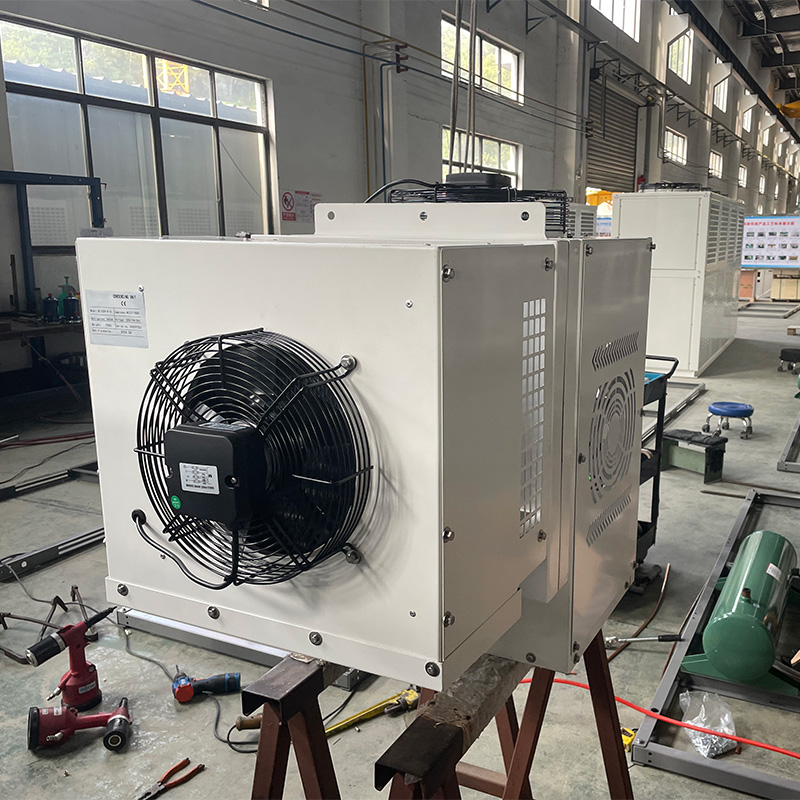
Purchasing monoblock condensing units may present challenges that can affect performance and reliability. Common problems include:
Insufficient Cooling Capacity: This can occur if the unit is not appropriately sized for the application. Always verify the cooling capacity against your specific requirements before purchase.
Refrigerant Leaks: Regular maintenance is necessary to prevent leaks, which can lead to inefficiencies and environmental concerns. Implement a routine inspection schedule to identify and rectify leaks early.
Compressor Failures: These failures can stem from inadequate maintenance or operating conditions that exceed the unit's specifications. Ensure that installation follows the manufacturer’s guidelines and that regular servicing is performed.
Electrical Issues: Problems related to wiring or electrical components can lead to unit failures. It is advisable to work with qualified technicians for installation and maintenance to mitigate these risks.
By addressing these common issues proactively, you can enhance the longevity and performance of your cold storage system.
A modern plant of over 4000 square meters is in operation to meet the majority Ice maker for commercial production requirements.
With a strong reputation in the business and over 3,000+ clients that they have served, EMTH EMTH is a trustworthy, proven supplier that has been acknowledged by other clients.
Special docking is offered for a complete service. This includes the design of Commercial ice maker, production installation, landing projects, and after-sales support.
Over 20 years of experience, we have the complete sales and after-sales systems with more than 20 patents and a professional R&D EMTH team.

Welcome to EMTH, a cold storage refrigeration equipment specialist in China! We offer innovative and effective cold storage solutions, including cold storage, evaporator, condensing unit and ice machine.
Room 304-305B, Building 5, BESHINE B.P, No. 559Zhuyuan Road, Minhang District 201112, Shanghai, China
Copyright © Shanghai EMTH Import & Export Co., Ltd. All Rights Reserved. - Privacy Policy
 EN
 AR
 BG
 HR
 CS
 DA
 NL
 FI
 FR
 DE
 EL
 IT
 JA
 KO
 NO
 PL
 PT
 RO
 RU
 ES
 TL
 IW
 ID
 LT
 SR
 VI
 HU
 TH
 MS
 AZ
 JW
 LO
 MN
 SO
 MY
 KK
 TG
 UZ
 GD
 XH