Mini cold room condensing units are essential components in refrigeration systems designed to maintain low temperatures in cold storage applications. These units play a crucial role in industries such as food processing, pharmaceuticals, and logistics, where temperature control is vital for preserving product integrity. For purchasing managers and engineers, understanding the specifications, quality evaluation, installation processes, and common issues associated with these units is critical for optimal selection and usage. This article aims to provide comprehensive insights into mini cold room condensing units to aid in making informed purchasing decisions.
When considering a mini cold room condensing unit, several key specifications are essential for ensuring optimal performance in your application.
Cooling Capacity: This is typically measured in BTUs or kilowatts and indicates the amount of heat the unit can remove from the cold room. It's crucial to match the cooling capacity to the specific needs of your cold storage space to prevent overworking the unit or failing to maintain the desired temperature.
Refrigerant Type: Common refrigerants include R404A and R134A, each with distinct properties affecting efficiency and environmental impact. Choose a refrigerant compatible with your application and compliant with local regulations.
Temperature Range: Understanding the operating temperature range is vital, particularly for products that require specific storage conditions. Ensure the unit can maintain the necessary temperature for your products without frequent cycling, which can increase wear and tear.
Energy Efficiency: Look for units with high energy efficiency ratings, as this can significantly reduce operating costs. Models with variable speed compressors typically offer better energy efficiency, such as those equipped with Compressors.
Noise Levels: Depending on the location of the installation, noise levels may be a consideration. Units designed with sound-dampening technology can be beneficial in reducing operational noise.
Dimensions and Weight: Ensure that the unit’s size and weight are suitable for your installation space and support infrastructure. Overly large or heavy units may require additional structural support.
Understanding these specifications allows buyers to tailor their choices to the specific needs of their cold storage applications, ensuring reliability and efficiency.
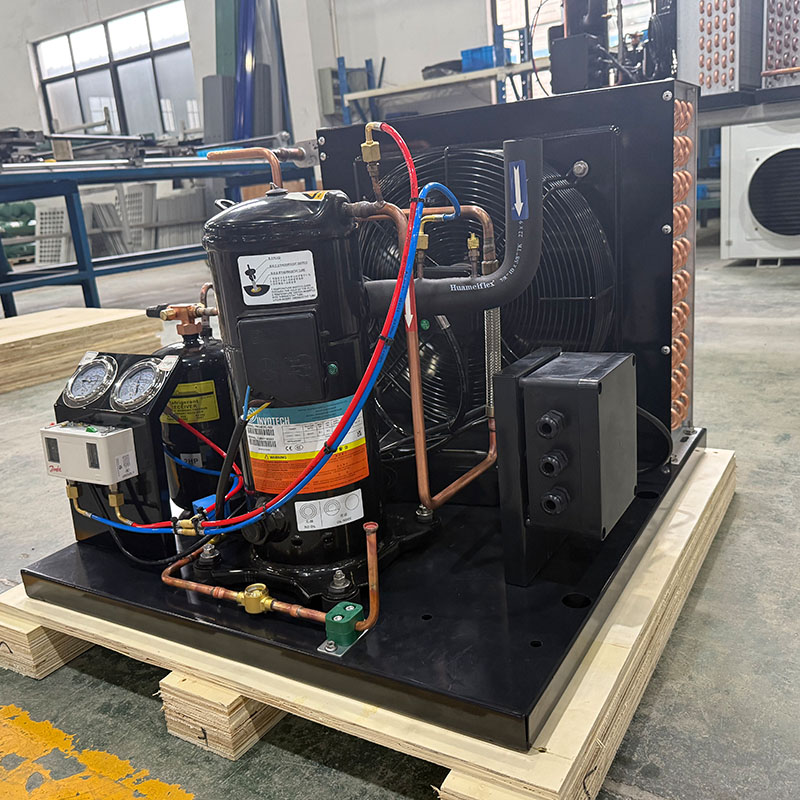
Evaluating the quality of mini cold room condensing units involves several factors that go beyond just the price. Here are key elements to consider:
Material Quality: High-quality units often use durable materials that withstand harsh operating conditions. For example, corrosion-resistant coatings can extend the life of the unit, especially in humid environments.
Manufacturing Standards: Investigate if the manufacturer follows rigorous quality control processes. Certifications such as ISO 9001 can indicate adherence to international quality standards.
Performance Testing: Request performance data from the manufacturer. Units should be tested under various operating conditions to verify their efficiency and reliability.
Warranty and Service Support: A robust warranty is indicative of a manufacturer’s confidence in their product. Additionally, assess the availability of technical support and service networks for maintenance and repairs.
Customer Reviews and Case Studies: Look for feedback from existing users or case studies demonstrating the unit’s performance in similar applications. This real-world insight can highlight potential issues or advantages.
By systematically evaluating these aspects, buyers can make informed choices that align with their operational requirements and budget constraints.
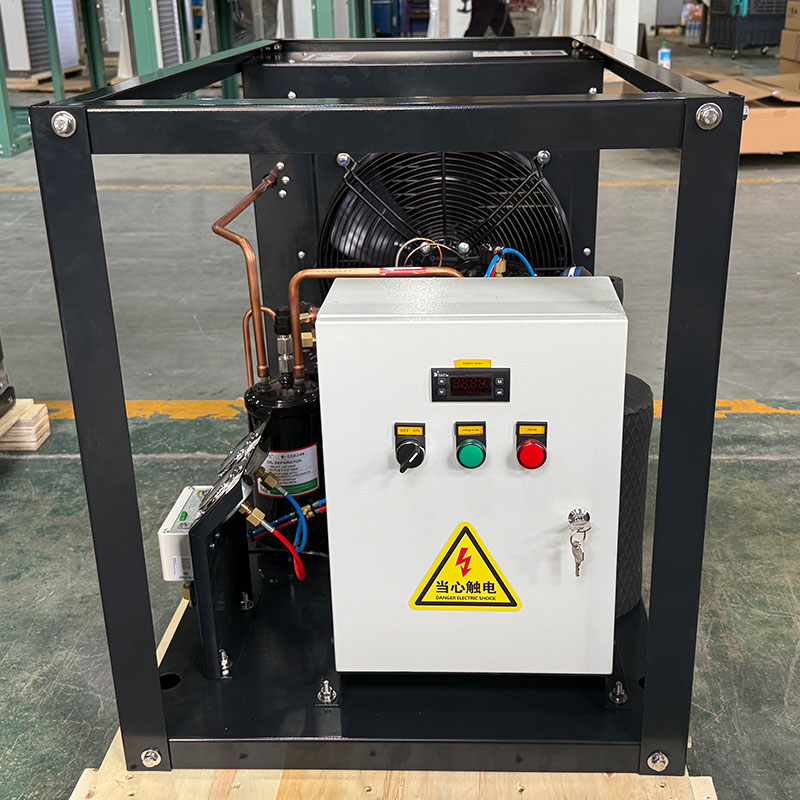
Proper installation of mini cold room condensing units is crucial for achieving optimal performance and longevity. Here are essential guidance points to consider:
Site Preparation: Ensure the installation location is clean, dry, and well-ventilated. Adequate space should be available for airflow around the unit to prevent overheating.
Electrical Requirements: Verify the electrical supply meets the unit’s requirements. Consider consulting an electrician to ensure proper installation of electrical connections, including grounding and circuit protection.
Piping and Insulation: Use high-quality insulation on refrigerant lines to minimize energy loss and prevent condensation. Ensure all connections are leak-tested and properly sealed. Using reliable Refrigeration Accessories can enhance the overall efficiency of the system.
Mounting and Alignment: Install the unit level and securely to avoid vibrations that could lead to wear or failure. Proper alignment with the cold room's evaporator is crucial for efficient operation.
Initial Testing: After installation, conduct thorough testing to ensure the unit operates as expected. Monitor temperature settings and check for any unusual sounds or vibrations.
User Training: Educate staff on operating procedures and maintenance schedules to ensure continued efficiency and reliability.
Following these guidelines will help ensure that the mini cold room condensing unit operates effectively and reduces the risk of costly repairs or replacements down the line.
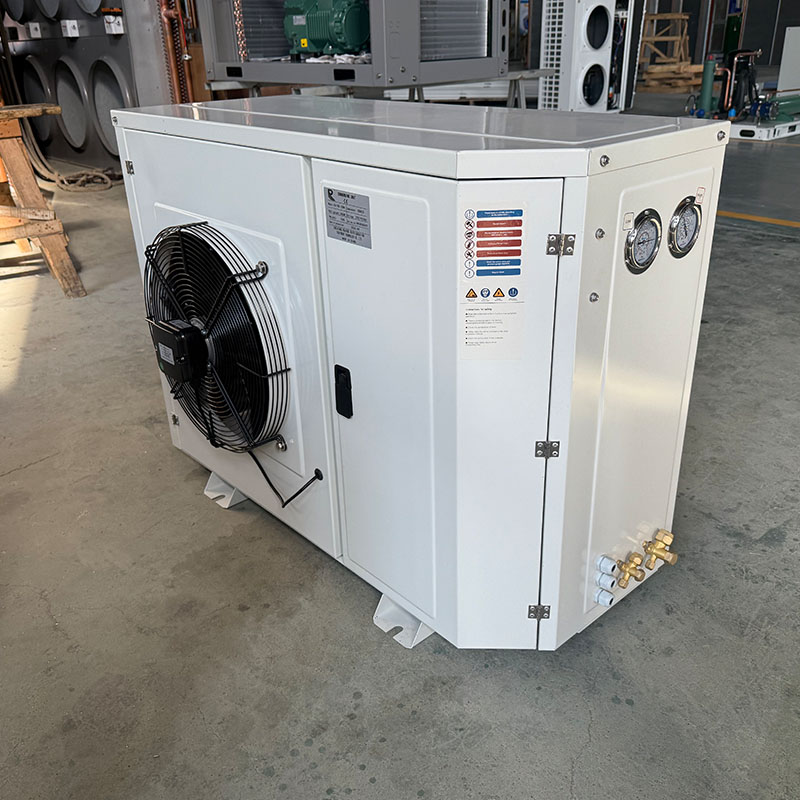
Despite their reliability, mini cold room condensing units may encounter issues over time. Here are some common problems and their solutions:
Insufficient Cooling: If the unit fails to maintain the desired temperature, check for refrigerant leaks, blockages in the airflow, or faulty thermostats. Regular maintenance can help identify and resolve these issues before they escalate.
High Energy Consumption: Increased energy usage may indicate a problem with the compressor or dirty condenser coils. Regular cleaning and maintenance can improve efficiency.
Noisy Operation: Unusual noises can be a sign of loose components or worn-out parts. Inspect for any loose screws or damaged fan blades and replace them as necessary.
Frost Build-Up: Excessive frost on evaporator coils can lead to inefficiency. Ensure that the defrost cycle is functioning correctly, and check for airflow obstructions.
Short Cycling: Frequent on-and-off cycling may indicate an oversized unit or issues with the thermostat. Ensure the unit's capacity matches the cold room's requirements.
By addressing these common issues proactively, buyers can maintain the efficiency and longevity of their mini cold room condensing units.
With more than 20 years of knowledge, we've developed a a complete production and sales and after-sales process with more than 20 patent certificates and a skilled R&D EMTH team.
Special docking is offered for a complete service. This includes the design of Coldrooms, production installation, landing projects, and after-sales support.
EMTH has a long-standing track record of success in the industry with more than 3,000 satisfied customers.
A modern plant of over 4000 square meters is in operation to meet the majority Ice maker for commercial production requirements.

Welcome to EMTH, a cold storage refrigeration equipment specialist in China! We offer innovative and effective cold storage solutions, including cold storage, evaporator, condensing unit and ice machine.
Room 304-305B, Building 5, BESHINE B.P, No. 559Zhuyuan Road, Minhang District 201112, Shanghai, China
Copyright © Shanghai EMTH Import & Export Co., Ltd. All Rights Reserved. - Privacy Policy
 EN
 AR
 BG
 HR
 CS
 DA
 NL
 FI
 FR
 DE
 EL
 IT
 JA
 KO
 NO
 PL
 PT
 RO
 RU
 ES
 TL
 IW
 ID
 LT
 SR
 VI
 HU
 TH
 MS
 AZ
 JW
 LO
 MN
 SO
 MY
 KK
 TG
 UZ
 GD
 XH