Choosing the right evaporator unit for your cold room is essential for efficient refrigeration and optimal performance. This article will guide purchasing managers, engineers, and decision-makers through key considerations when selecting evaporator units, addressing specifications, performance evaluation, common installation challenges, and essential applications. By understanding these factors, buyers can make informed decisions that enhance their cold storage solutions.
When selecting an evaporator unit for your cold room, several critical factors come into play. First, consider the cooling capacity required for your specific application. The proper capacity ensures efficient temperature maintenance, preventing spoilage of stored goods. Evaluating the dimensions and layout of the cold room is also crucial, as it affects air circulation and the overall efficiency of the unit. Additionally, high-performance options like the Euxiur High Efficiency Evaporator can significantly enhance cooling efficiency.
Material choice significantly impacts durability and performance. Generally, units made from corrosion-resistant materials like stainless steel provide longevity and reliability in demanding environments. Additionally, check compatibility with the refrigeration system and ensure that the evaporator unit can integrate seamlessly with existing equipment.
Buyers should also assess energy efficiency ratings. Energy-efficient evaporator units not only reduce operational costs but also minimize environmental impact. It’s advisable to consult manufacturers for detailed specifications and recommendations tailored to specific cold room requirements.
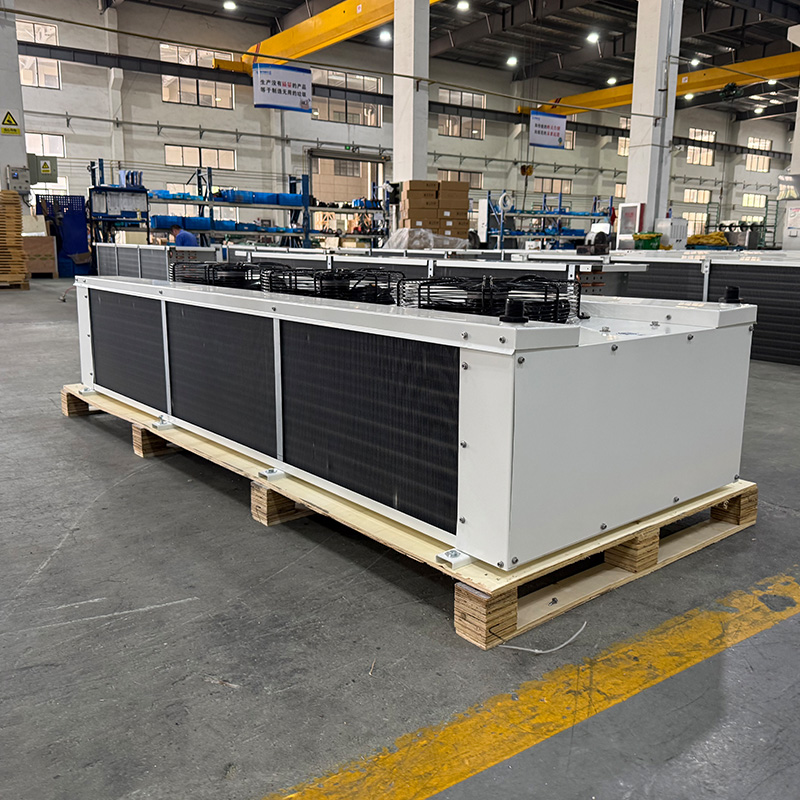
High-quality evaporator units come with essential specifications that directly affect their performance. Key specifications to focus on include:
Cooling Capacity: Measured in BTUs (British Thermal Units), this indicates the amount of heat the unit can remove from the cold room in an hour. Selecting a unit with the appropriate capacity prevents overworking the system and minimizes energy consumption.
Coil Design: The design of the coils, including the surface area and material, influences heat exchange efficiency. Copper coils typically offer better thermal conductivity than aluminum, ensuring effective cooling.
Airflow Rate: Measured in cubic feet per minute (CFM), the airflow rate determines how well air circulates within the cold room. Proper airflow ensures even temperature distribution and prevents cold spots.
Temperature Range: The operating temperature range of the evaporator unit should align with the specific needs of the stored products. Units designed for low-temperature applications can handle freezing conditions, while others are suitable for refrigeration.
Defrost Mechanism: Consider whether the unit features an automatic or manual defrost system. Automatic defrost systems reduce maintenance time and ensure optimal performance during operation.
Evaluating these specifications against your application requirements enables buyers to select the ideal evaporator unit for their cold room, such as the H Type Condensing Units that are designed for various operational needs.
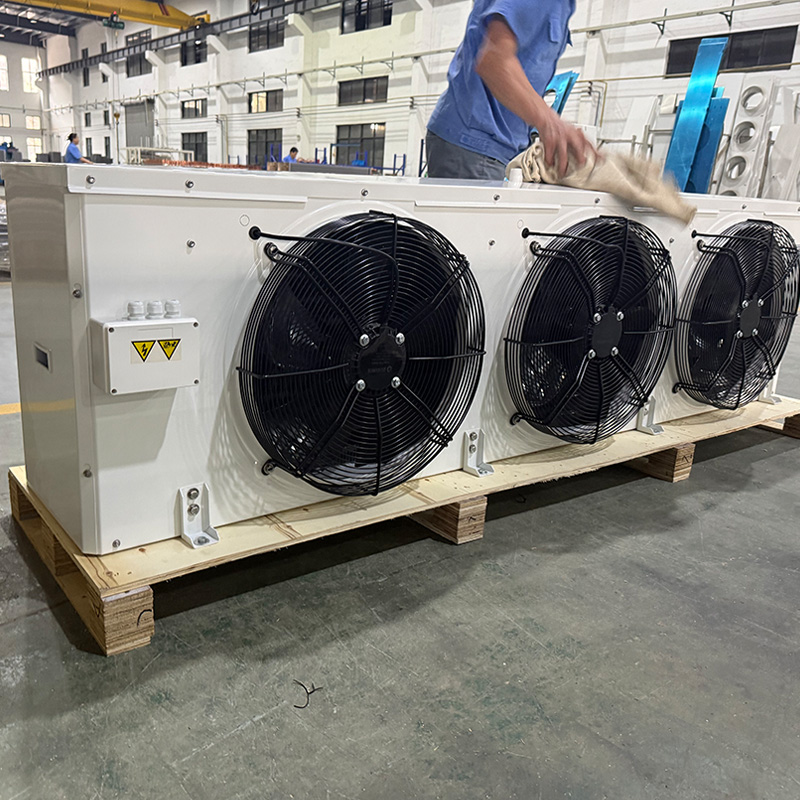
Evaluating the performance of evaporator units in cold storage involves several practical steps. First, monitor temperature consistency throughout the cold room. Use temperature data loggers to assess fluctuations and ensure the unit maintains the desired temperature range effectively.
Another performance indicator is the energy consumption of the unit. Compare the actual energy usage against the specifications provided by the manufacturer. If the unit consumes more energy than expected, it may indicate inefficiencies that need to be addressed.
Inspect the unit for signs of frost accumulation. Excessive frost can hinder performance and indicate issues with the defrost system or airflow. Regular maintenance checks, including cleaning the coils and filters, are essential to sustain optimal performance.
Lastly, consider the noise level generated by the evaporator unit. While some operational noise is normal, excessive noise may indicate mechanical issues or improper installation. A thorough evaluation of these performance metrics will assist buyers in ensuring their evaporator units operate efficiently and reliably.
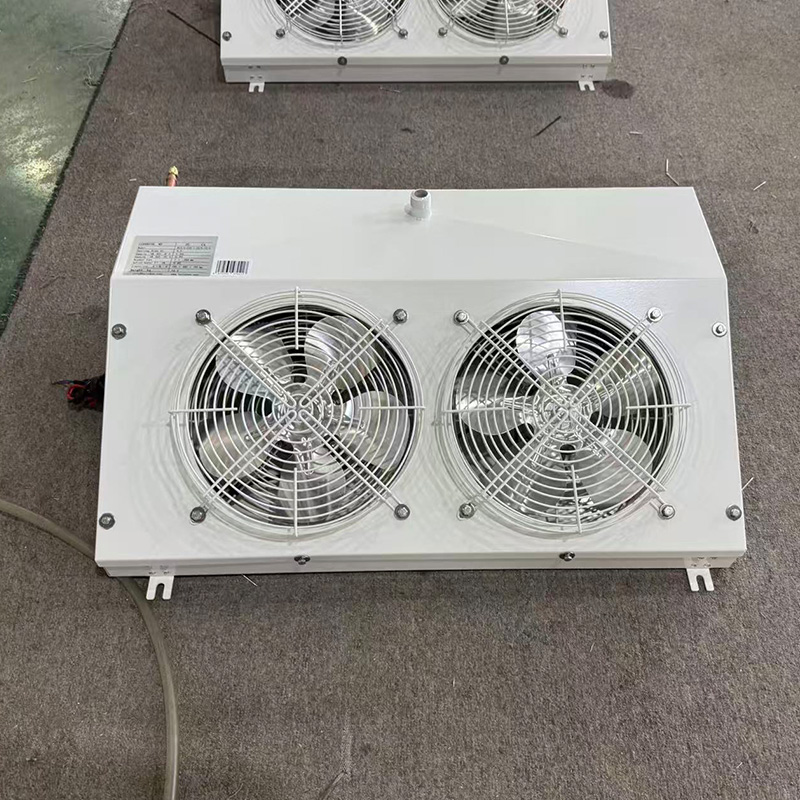
Installing evaporator units in cold rooms can present various challenges. One common issue is inadequate space for installation, which can lead to restricted airflow and inefficient cooling. To mitigate this, carefully plan the layout before installation, ensuring adequate clearance around the unit for optimal airflow.
Another issue frequently encountered is incorrect alignment of the unit with the refrigeration system. Misalignment can lead to refrigerant leaks or inefficient operation. It’s essential to follow the manufacturer’s installation guidelines closely and verify all connections before powering on the system.
Vibration and noise can also be problematic during installation. Ensure that the unit is securely mounted and consider using vibration-dampening materials to reduce noise levels. Regular inspections post-installation can help identify potential issues early on.
Lastly, improper electrical connections can pose safety hazards and affect performance. Engaging a qualified technician for electrical work ensures compliance with safety standards and optimizes the functionality of the evaporator unit.
A modern plant of over 40000 square meters is in place to meet the EMTH majority manufacturing requirements.
Special docking is offered to provide a full range of service. This includes the creation of Cuber ice machine, production installations, landing plans, and after-sales support.
More than 20 years of' experience and an experienced EMTH R&D staff.
EMTH has a long-standing track record of success in the industry with more than 3,000 satisfied customers.

Welcome to EMTH, a cold storage refrigeration equipment specialist in China! We offer innovative and effective cold storage solutions, including cold storage, evaporator, condensing unit and ice machine.
Room 304-305B, Building 5, BESHINE B.P, No. 559Zhuyuan Road, Minhang District 201112, Shanghai, China
Copyright © Shanghai EMTH Import & Export Co., Ltd. All Rights Reserved. - Privacy Policy
 EN
 AR
 BG
 HR
 CS
 DA
 NL
 FI
 FR
 DE
 EL
 IT
 JA
 KO
 NO
 PL
 PT
 RO
 RU
 ES
 TL
 IW
 ID
 LT
 SR
 VI
 HU
 TH
 MS
 AZ
 JW
 LO
 MN
 SO
 MY
 KK
 TG
 UZ
 GD
 XH