When it comes to maintaining optimal conditions in a cold storage room, selecting the right condensing unit is crucial. A condensing unit for cold storage room plays a vital role in ensuring temperature control and energy efficiency. For B2B buyers, including purchasing managers and facility engineers, understanding the specifications, applications, and common challenges associated with these units is essential for making informed decisions. This article will guide you through key considerations when choosing a condensing unit, ensuring that your cold storage solutions are effective and reliable.
When selecting a condensing unit for a cold storage room, several factors should be taken into account to ensure optimal performance and energy efficiency. First, consider the cooling capacity required for your specific application. This is often determined by the size of the cold storage space, the insulation quality, and the expected temperature range.
Next, assess the refrigerant type used in the unit. Common options include R-404A and R-134A, each with different environmental impacts and efficiency ratings. Regulatory compliance regarding refrigerant use is also crucial, as some refrigerants are being phased out due to environmental concerns.
Additionally, evaluate the unit's energy efficiency ratio (EER) and seasonal energy efficiency ratio (SEER). A higher EER indicates better energy efficiency, which can lead to significant cost savings over time. Finally, consider the unit's physical dimensions and installation requirements to ensure a seamless fit within your cold storage room layout.
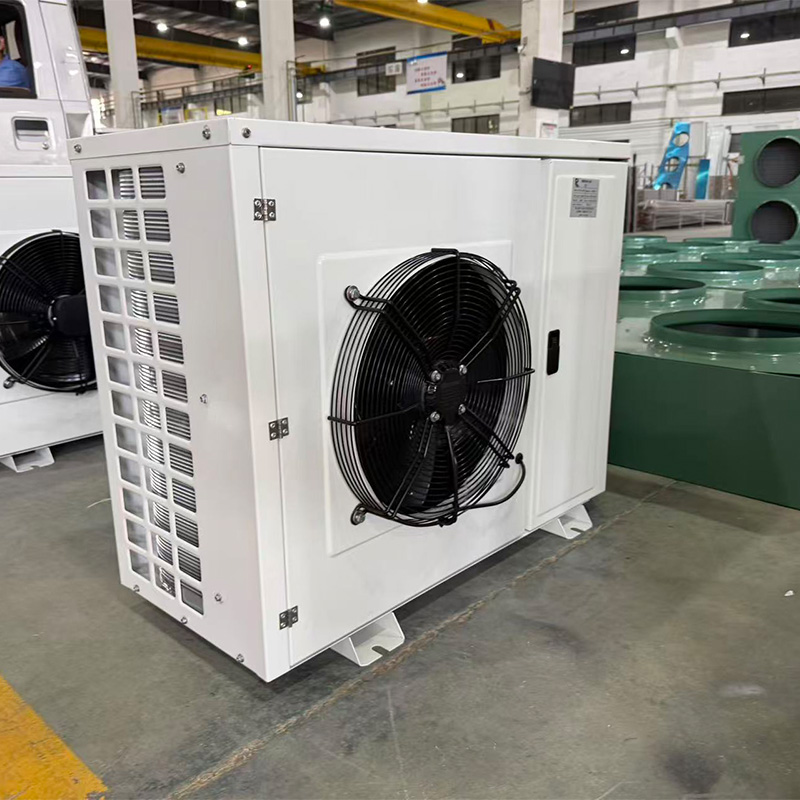
Understanding the key specifications of condensing units is crucial for ensuring they meet your operational needs. Here are some vital specifications to consider:
Cooling Capacity: Measured in BTU/h or kilowatts, this indicates how much heat the unit can remove from the cold storage space. Ensure that the capacity aligns with your storage requirements.
Condenser Type: Options include air-cooled, water-cooled, or evaporative condensers. Each type has different installation and maintenance needs, and your choice should reflect your facility's capabilities.
Compressor Type: Choose between reciprocating, scroll, or screw compressors. The compressor type affects efficiency, noise levels, and maintenance requirements. For example, compressors for refrigeration tools can significantly influence performance.
Temperature Range: Ensure the unit can operate effectively within the required temperature range, whether for refrigeration or frozen applications.
Material and Build Quality: Look for units made with corrosion-resistant materials, especially if they will be exposed to moisture or harsh conditions.
These specifications collectively determine the operational efficiency and longevity of your cold storage condensing unit.
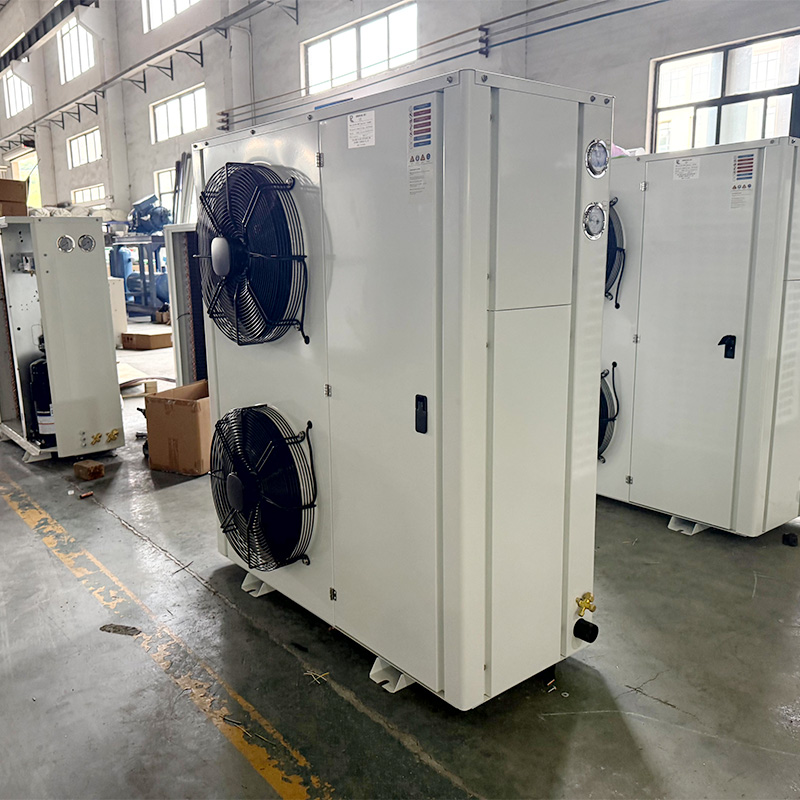
Evaluating the quality of condensing units is essential to ensure reliability and performance. Start by examining the manufacturer's reputation and experience in the industry. Companies with extensive experience, like Shanghai EMTH, which has over 20 years in refrigeration equipment manufacturing, often have proven track records of quality.
Next, review the unit's certifications. Look for compliance with industry standards such as ISO or CE, which indicate adherence to quality and safety regulations. Additionally, consider the quality control processes the manufacturer employs during production. A robust quality assurance system can minimize defects and ensure consistent performance.
Requesting product samples for testing is also a wise approach. Evaluate the sample under actual operating conditions to assess performance, noise levels, and energy consumption. Lastly, gather feedback from existing users to gain insights into long-term reliability and satisfaction.
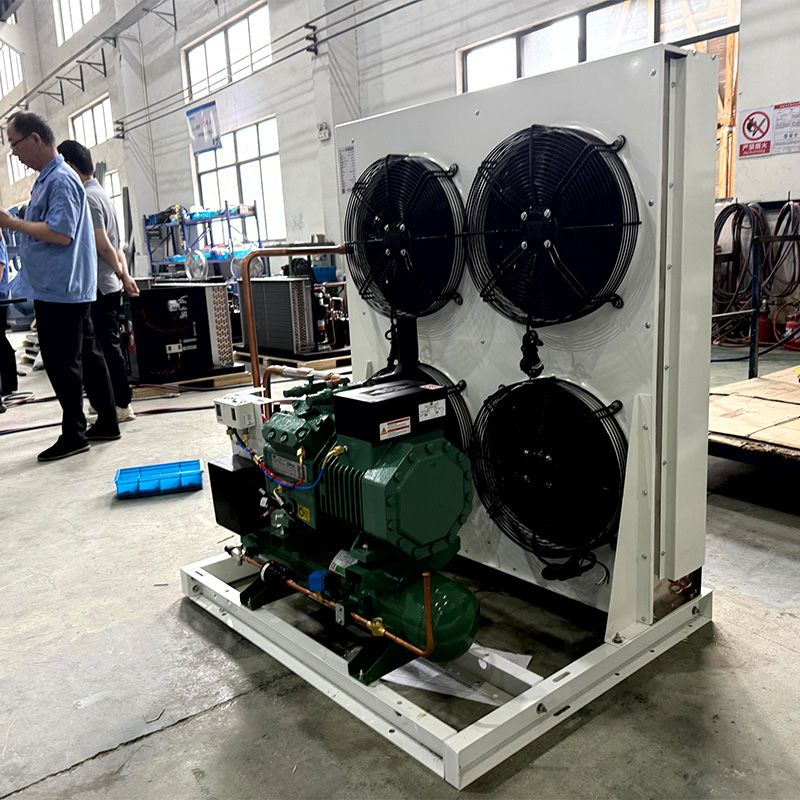
Cold storage units can encounter various issues that may compromise their efficiency and reliability. Common problems include:
Temperature Fluctuations: This can occur due to improper insulation or frequent door openings. Implementing better insulation and airlock systems can help maintain stable temperatures.
Condensation and Ice Build-up: Excess moisture can lead to ice formation, affecting unit performance. Ensure proper ventilation and humidity control within the storage space to mitigate this issue.
Compressor Failures: Frequent cycling or failure can result from inadequate sizing or poor maintenance. Regular servicing and ensuring the unit is correctly sized for the application can prevent compressor issues.
Refrigerant Leaks: Leaks can lead to reduced efficiency and environmental hazards. Regular inspections and maintenance can help identify and rectify leaks before they become significant problems.
Addressing these common issues promptly can enhance the longevity and effectiveness of your condensing units.
Complete service program, from formulating of plans to the production and Ice maker for under counter, to after-sales service, there are specific docking.
With more than 20 years of knowledge, we've developed a a complete production and sales and after-sales system with more than 20 patent certificates and a highly skilled R&D EMTH team.
A modern facility of more than 40,000 square meters is available to meet the majority of EMTH requirements.
With a strong name in the industry, and over 3,000+ clients served, EMTH EMTH is a trustworthy and reliable supplier who has been recognized by other customers.

Welcome to EMTH, a cold storage refrigeration equipment specialist in China! We offer innovative and effective cold storage solutions, including cold storage, evaporator, condensing unit and ice machine.
Room 304-305B, Building 5, BESHINE B.P, No. 559Zhuyuan Road, Minhang District 201112, Shanghai, China
Copyright © Shanghai EMTH Import & Export Co., Ltd. All Rights Reserved. - Privacy Policy
 EN
 AR
 BG
 HR
 CS
 DA
 NL
 FI
 FR
 DE
 EL
 IT
 JA
 KO
 NO
 PL
 PT
 RO
 RU
 ES
 TL
 IW
 ID
 LT
 SR
 VI
 HU
 TH
 MS
 AZ
 JW
 LO
 MN
 SO
 MY
 KK
 TG
 UZ
 GD
 XH