In the realm of refrigeration equipment, condensers and evaporators play pivotal roles in maintaining optimal temperature control across various applications. Understanding the intricacies of these systems is essential for purchasing managers, distributors, and engineers who seek reliable performance and efficiency. This article will address key considerations when selecting condensers and evaporators, common challenges during installation, cost factors, their applications in various industries, and solutions to potential issues that may arise in their operation.
When selecting condensers and evaporators, several critical specifications should be considered to ensure compatibility with your system and efficiency in performance.
Material: The materials used in the construction of condensers and evaporators, such as copper or aluminum, significantly influence their thermal conductivity and durability. Copper generally offers better thermal conductivity, while aluminum is lightweight and cost-effective.
Size and Capacity: Buyers need to assess the dimensions and cooling capacity required for their specific applications. Proper sizing is crucial; an oversized unit may lead to inefficiencies and increased costs, while an undersized unit may struggle to maintain the desired temperature.
Operating Conditions: Evaluating the expected temperature ranges and environmental conditions is essential. Both condensers and evaporators should be capable of operating effectively within the specified temperature limits to ensure reliability and longevity.
Energy Efficiency: Look for units with high energy efficiency ratings. Energy-efficient models can lead to significant cost savings in the long run, particularly in commercial applications where refrigeration is used extensively. For instance, the YH Type Condenser is known for its energy-efficient performance.
Certification and Compliance: Ensure that the products meet relevant industry standards and certifications, which can vary by region and application. This is critical for ensuring safety and reliability in performance.
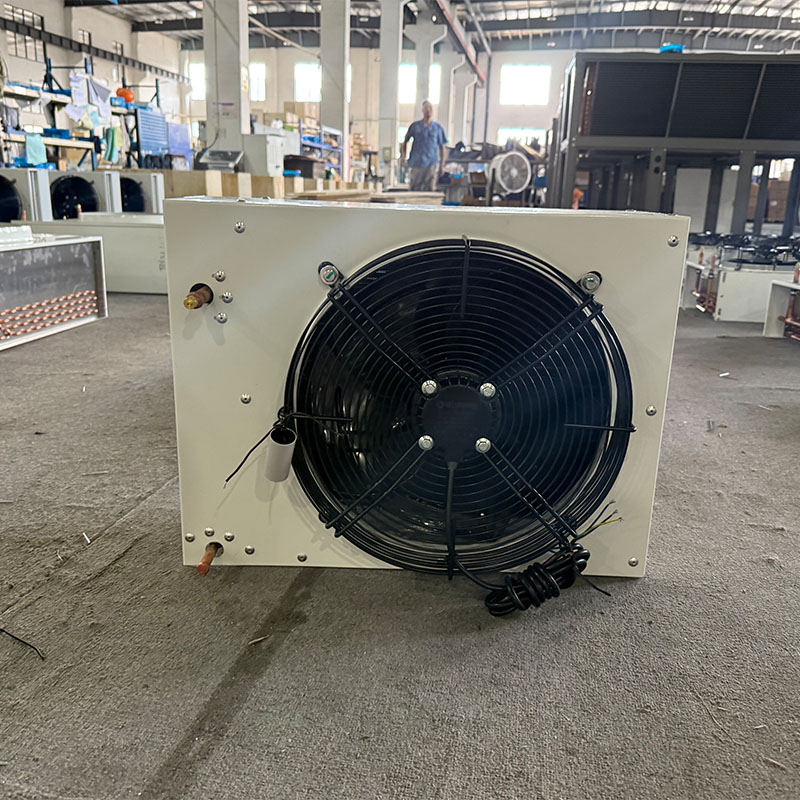
Installing condensers and evaporators can present various challenges that may impact performance if not addressed properly.
Space Constraints: Often, installation sites do not provide adequate space for the required airflow around the units. Insufficient space can lead to reduced efficiency and increased wear on the system.
Improper Alignment: Ensuring that the condenser and evaporator are properly aligned is critical for efficient operation. Misalignment can cause undue strain on the components, leading to premature failure or reduced performance.
Refrigerant Leaks: During installation, the risk of refrigerant leaks can occur if connections are not properly sealed. Regular checks and testing should be performed to prevent this issue, as leaks can severely impact system efficiency and environmental compliance.
Electrical Connections: Ensuring that electrical connections are secure and meet all safety standards is essential. Poor electrical connections can lead to system malfunctions or hazards.
Access for Maintenance: Planning for future maintenance is vital. Units should be installed in a manner that allows easy access for service, cleaning, and component replacement.
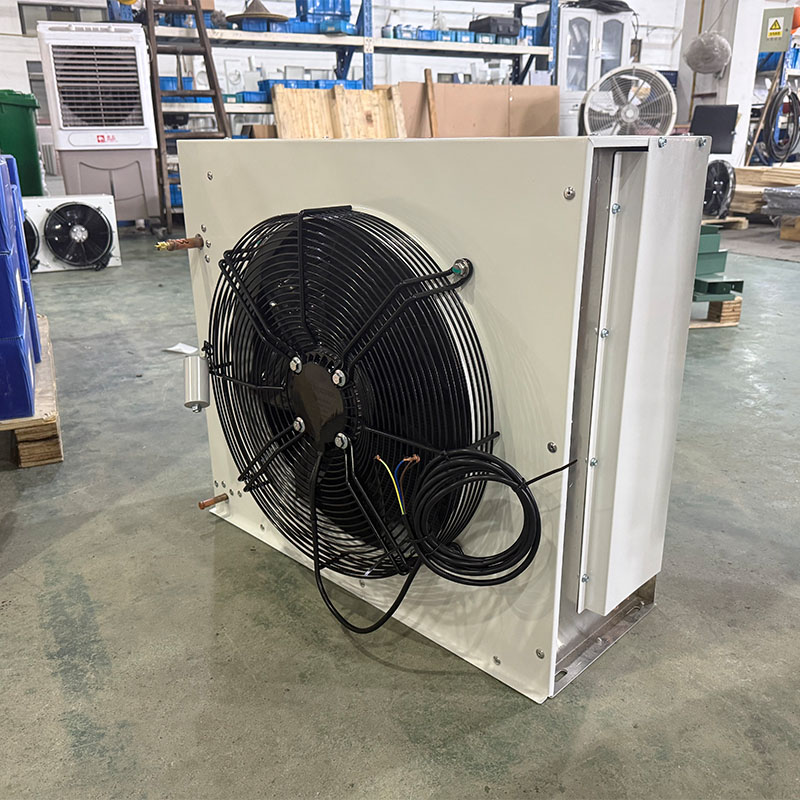
Understanding the cost factors associated with purchasing condensers and evaporators at wholesale can help buyers make informed decisions.
Material Costs: The choice of materials significantly affects the pricing. For instance, copper components typically come at a premium compared to aluminum, but they may offer superior performance and longevity.
Volume Discounts: Many manufacturers, including Shanghai EMTH, may offer discounts based on order volume. Buyers should inquire about minimum order quantities (MOQs) and volume pricing to maximize cost-efficiency.
Customization: Customization options can add to the cost but may be necessary for specific applications. Buyers should weigh the benefits of customized solutions against their budget.
Shipping and Handling: Shipping costs can vary based on the size and weight of the units, as well as the distance to the delivery location. It’s essential to factor in these logistics when calculating total costs.
Energy Efficiency Ratings: Higher energy efficiency typically comes with a higher upfront cost but can lead to lower operational costs over time. This long-term perspective is crucial for budget-conscious buyers. Consider units like the Compressor For Refrigeration Tools And Equipment for better efficiency.
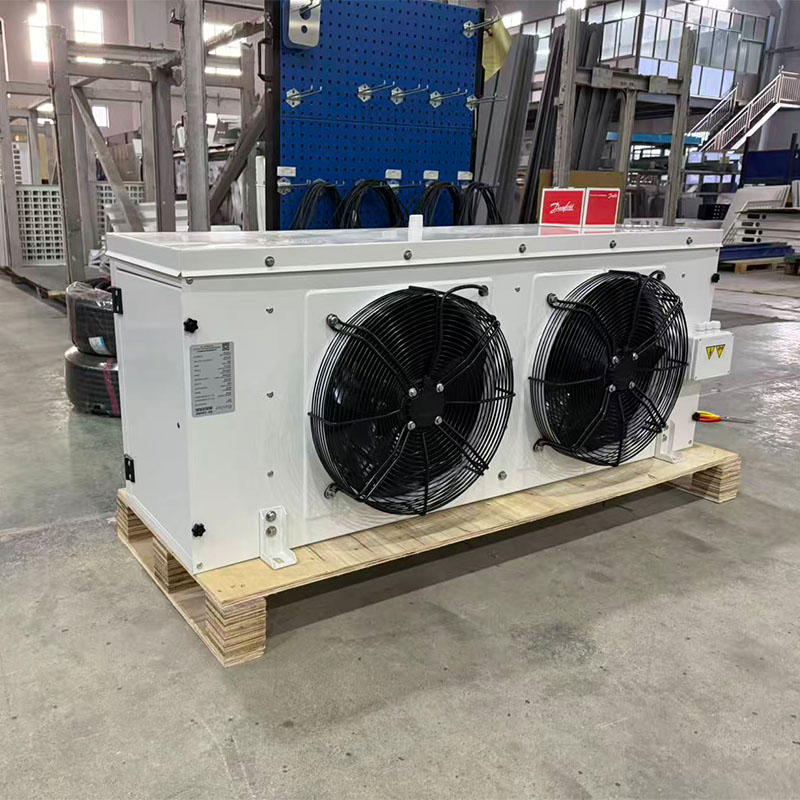
Condensers and evaporators serve essential functions across multiple industries, including:
Food and Beverage: In this sector, maintaining optimal temperatures is crucial for product preservation. Condensers and evaporators are integral to refrigeration systems in supermarkets, restaurants, and food processing plants.
Pharmaceuticals: Temperature-sensitive products require precise temperature control. The use of high-quality condensers and evaporators ensures compliance with strict regulations and standards in this industry.
HVAC Systems: In residential and commercial HVAC systems, condensers and evaporators work together to regulate indoor temperatures, making them pivotal for comfort and energy efficiency.
Industrial Processes: Various manufacturing processes require refrigeration for materials that must be kept cool during production. Condensers and evaporators are essential in applications ranging from chemical processing to plastics manufacturing.
Transport: Refrigerated transport systems rely on efficient condensers and evaporators to maintain the integrity of perishable goods during transit.
With more than 20 years of knowledge, we've developed a a complete production and sales and after-sales system with more than 20 patent certificates and a highly skilled R&D EMTH team.
Special docking is available for a complete system of service. It includes creation of plans, Axial fans, landing plans, and after-sales support.
With a strong reputation in the field and over 3,000+ customers served, EMTH EMTH is a trustworthy known and dependable supplier that has been acknowledged by other clients.
A modern factory space that covers more than 40000 square meters, it is able to meet the vast majority of the EMTH production requirements.

Welcome to EMTH, a cold storage refrigeration equipment specialist in China! We offer innovative and effective cold storage solutions, including cold storage, evaporator, condensing unit and ice machine.
Room 304-305B, Building 5, BESHINE B.P, No. 559Zhuyuan Road, Minhang District 201112, Shanghai, China
Copyright © Shanghai EMTH Import & Export Co., Ltd. All Rights Reserved. - Privacy Policy
 EN
 AR
 BG
 HR
 CS
 DA
 NL
 FI
 FR
 DE
 EL
 IT
 JA
 KO
 NO
 PL
 PT
 RO
 RU
 ES
 TL
 IW
 ID
 LT
 SR
 VI
 HU
 TH
 MS
 AZ
 JW
 LO
 MN
 SO
 MY
 KK
 TG
 UZ
 GD
 XH