In the realm of refrigeration equipment, understanding the nuances of compressor evaporators and condensers is crucial for purchasing managers and engineers. These components play a vital role in cooling systems, impacting efficiency, cost-effectiveness, and overall functionality. As you consider options for your projects, this article will provide insights into selecting the right components, evaluating specifications, and understanding installation guidelines, ensuring you make informed decisions that meet your specific refrigeration needs.
Selecting the appropriate condenser is critical to the performance of your refrigeration system. Start by evaluating the type of condenser that matches your application—options typically include air-cooled, water-cooled, and evaporative condensers. Each type has distinct operational characteristics and efficiencies depending on the environment and specific cooling requirements. For example, the YH Type Condenser is a popular choice for various applications.
Next, consider the condenser's refrigeration capacity, which should align with the cooling load of your application. This specification is usually measured in BTUs or tons. Additionally, assess the design pressure and temperature ratings to ensure compatibility with your existing system.
Material selection is also essential; condensers are often constructed from copper or aluminum. Copper, while more expensive, provides better thermal conductivity, which can lead to increased efficiency. Verify that the materials used are durable enough for your intended application, especially if there will be exposure to corrosive substances.
Lastly, ensure the manufacturer has a solid reputation and proven experience in the industry, as this can significantly influence the reliability and longevity of the equipment.
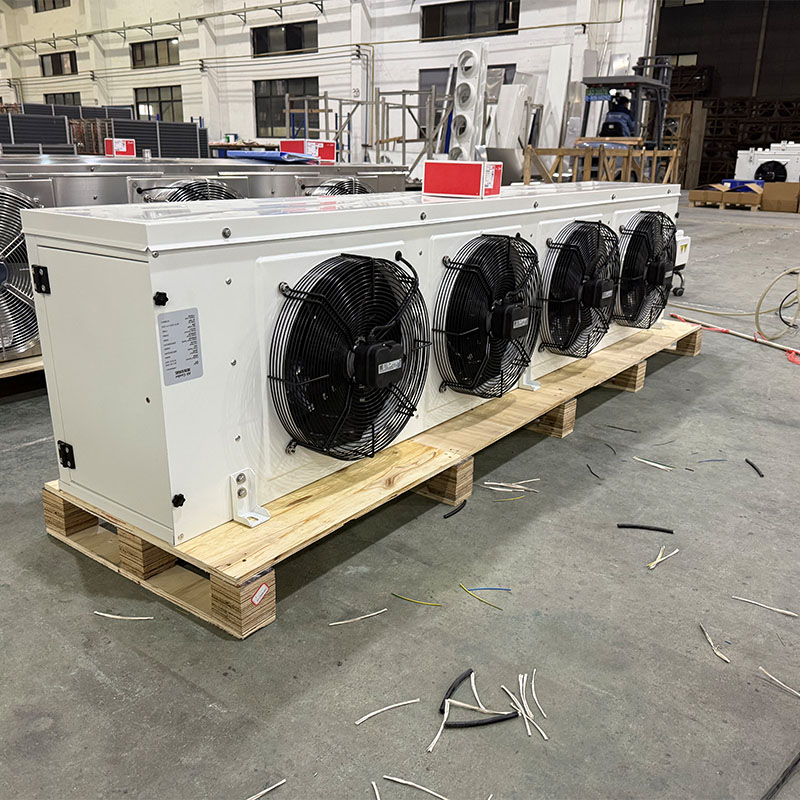
When evaluating compressor evaporators, key specifications must be scrutinized to ensure optimal performance. Start with the cooling capacity, typically measured in BTUs, which should correspond to your cooling requirements. An undersized evaporator can lead to inadequate cooling, while an oversized unit can increase energy consumption and lead to inefficiencies. The Euxiur High Efficiency Evaporator is one example of a unit designed for optimal performance.
Another critical specification is the type of refrigerant the evaporator is designed to use. Compatibility with common refrigerants such as R-410A or R-134A is vital, as using the wrong refrigerant can lead to system failures.
Pay attention to the evaporator's construction materials, which can significantly impact performance and durability. Copper is widely preferred due to its excellent thermal conductivity and corrosion resistance. Additionally, ensure that the evaporator features appropriate insulation to minimize thermal loss.
Don’t overlook airflow characteristics; the design should facilitate optimal air distribution, which is essential for efficient heat exchange. Finally, consider the manufacturer's quality control processes and any certifications they hold, as these reflect commitment to product excellence.
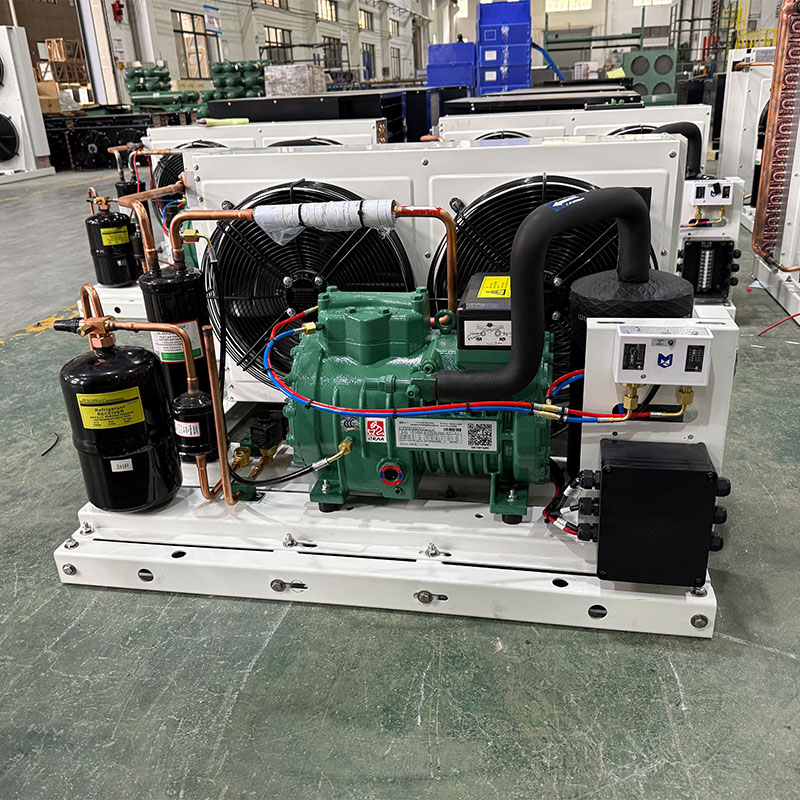
When placing bulk orders for evaporators and condensers, several factors should be considered to ensure a smooth purchasing process. First, verify the manufacturer's production capacity and lead times to meet your project timelines. This is particularly important if your application is time-sensitive.
Discuss with the supplier any customization options available. Depending on your specific needs, you may require specific dimensions, materials, or configuration adjustments that could affect lead times and pricing.
It’s also wise to inquire about minimum order quantities (MOQs). Some manufacturers may offer competitive pricing for larger orders, but it's essential to understand the implications of committing to a substantial quantity, especially if your project requirements could change.
Lastly, confirm the packaging methods for shipping. Proper packaging is crucial to prevent damage during transit, particularly for delicate components like evaporators and condensers. A reputable supplier will have established procedures to ensure that products arrive in perfect condition.
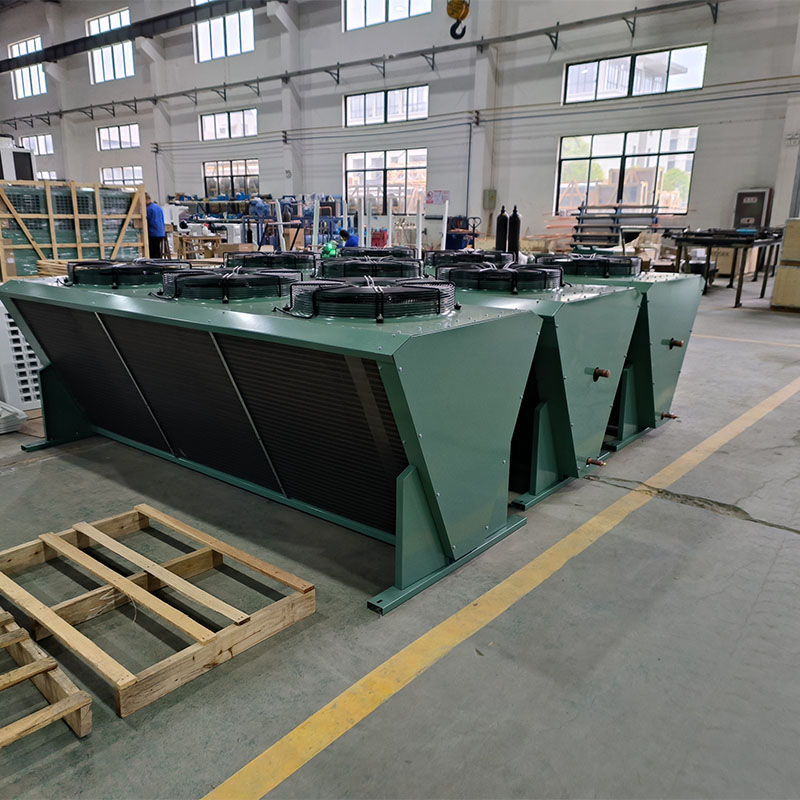
Proper installation of compressor and condenser systems is vital for achieving optimal performance and longevity. Begin by ensuring that the installation location is conducive to airflow and that there is adequate space for maintenance access.
Follow the manufacturer's installation manual meticulously. Key considerations include ensuring proper refrigerant line sizing and routing, which is critical for minimizing pressure losses. The installation should also include appropriate mounting and vibration isolation methods to reduce noise and wear on components.
Electrical connections must be secured according to safety standards, and all components should be tested for leaks before initial operation. After installation, it is advisable to run the system through a commissioning process to verify that all parameters are functioning within specified limits.
Regular maintenance checks should be scheduled to monitor performance, clean filters, and inspect for any signs of wear or potential failures. This proactive approach can significantly extend the equipment's lifespan and maintain operational efficiency.
Special docking is offered for a complete service. This includes the design of Commercial ice maker, production installation, landing projects, and after-sales support.
With a good reputation in the industry and more than 3,000 clients who have been served, Condensing unit is a trustworthy established supplier that has been recognized by other customers.
The modern factory has an area greater than 40,000 square meters, to satisfy the majority of the EMTH production requirements.
More than 20 years of' experience and an experienced EMTH R&D staff.

Welcome to EMTH, a cold storage refrigeration equipment specialist in China! We offer innovative and effective cold storage solutions, including cold storage, evaporator, condensing unit and ice machine.
Room 304-305B, Building 5, BESHINE B.P, No. 559Zhuyuan Road, Minhang District 201112, Shanghai, China
Copyright © Shanghai EMTH Import & Export Co., Ltd. All Rights Reserved. - Privacy Policy
 EN
 AR
 BG
 HR
 CS
 DA
 NL
 FI
 FR
 DE
 EL
 IT
 JA
 KO
 NO
 PL
 PT
 RO
 RU
 ES
 TL
 IW
 ID
 LT
 SR
 VI
 HU
 TH
 MS
 AZ
 JW
 LO
 MN
 SO
 MY
 KK
 TG
 UZ
 GD
 XH