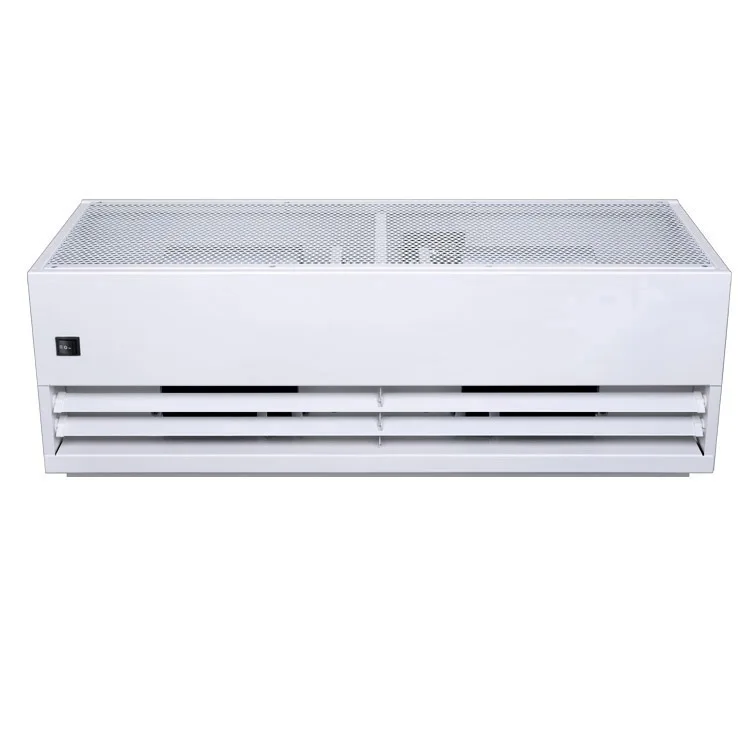
Wall mounted condensers are essential components in refrigeration systems, providing efficient heat exchange in various applications. For purchasing managers, engineers, and product managers, selecting the right wall mounted condenser involves understanding technical specifications, material options, and application suitability. This article aims to guide you through the key considerations and practical insights needed to make informed decisions when sourcing wall mounted condensers for your projects. Additionally, exploring related components such as Air Curtain can enhance system performance.
Selecting a wall mounted condenser requires careful consideration of several factors to ensure optimal performance and compatibility with your refrigeration system. Start by evaluating the specific cooling capacity required for your application, which is typically measured in BTUs or kilowatts. The condenser’s size and cooling efficiency should match your system’s load requirements.
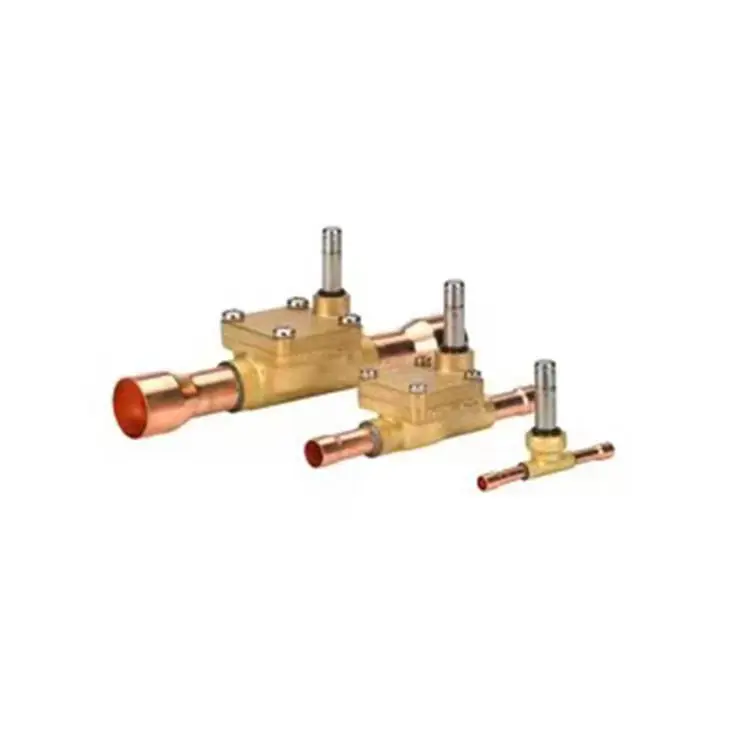
Next, consider the material used in the condenser’s construction. Common materials include aluminum and copper, both known for their excellent thermal conductivity. Aluminum is lightweight and resistant to corrosion, making it suitable for various environments, while copper offers superior durability and heat transfer efficiency. Assessing the environmental conditions where the condenser will operate—such as exposure to moisture or chemicals—will help determine the most appropriate material. For instance, a reliable Solenoid Valve can also be critical in managing refrigerant flow effectively.
Additionally, examine the condenser's design and mounting options. Ensure that it can be easily installed in your designated space and that it integrates well with existing systems. Be mindful of the dimensions and weight, as these factors may influence shipping costs and installation feasibility. Finally, inquire about customization options from your manufacturer. Tailoring the condenser to meet specific operational requirements can enhance performance and extend the product's lifecycle.
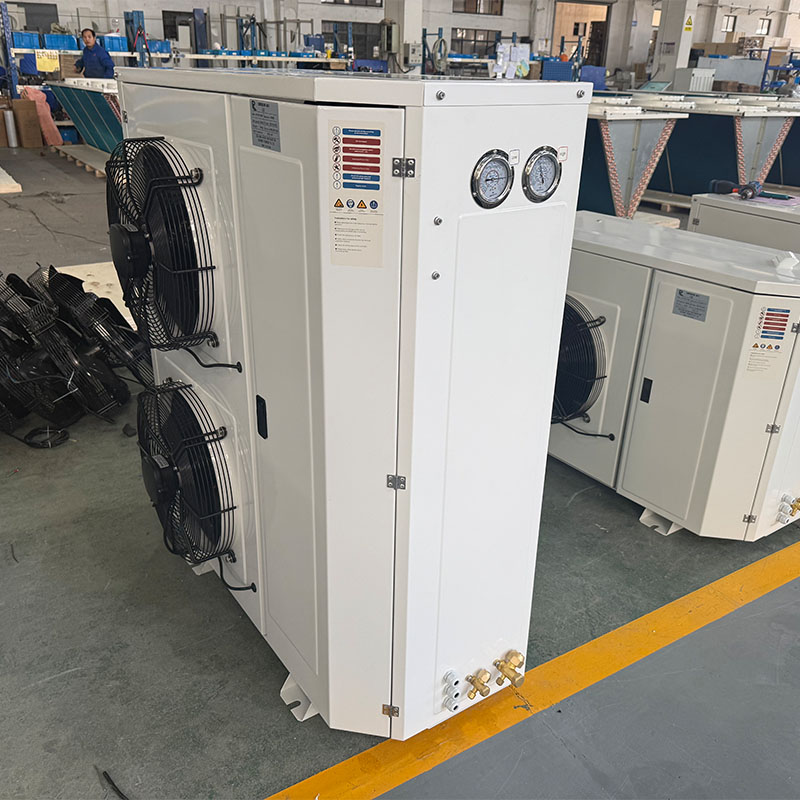
Understanding the technical specifications of wall mounted condensers is crucial for ensuring they meet your project’s demands. Key specifications include the condenser's dimensions, weight, and refrigerant compatibility. Different refrigerants have varying pressure requirements; thus, confirming compatibility with your current system is vital.
Additionally, pay attention to the heat exchange surface area, which impacts the condenser's efficiency. A larger surface area typically results in better heat transfer, thereby improving overall system performance. Buyers should also consider the condenser's operating temperature range and pressure ratings to ensure it can handle the conditions of your specific application.
Quality control is another essential aspect to examine. Manufacturers should follow strict quality assurance processes, including testing for leaks and verifying thermal performance before shipment. Requesting information about the manufacturer’s certifications can provide further assurance of product reliability and compliance with industry standards.
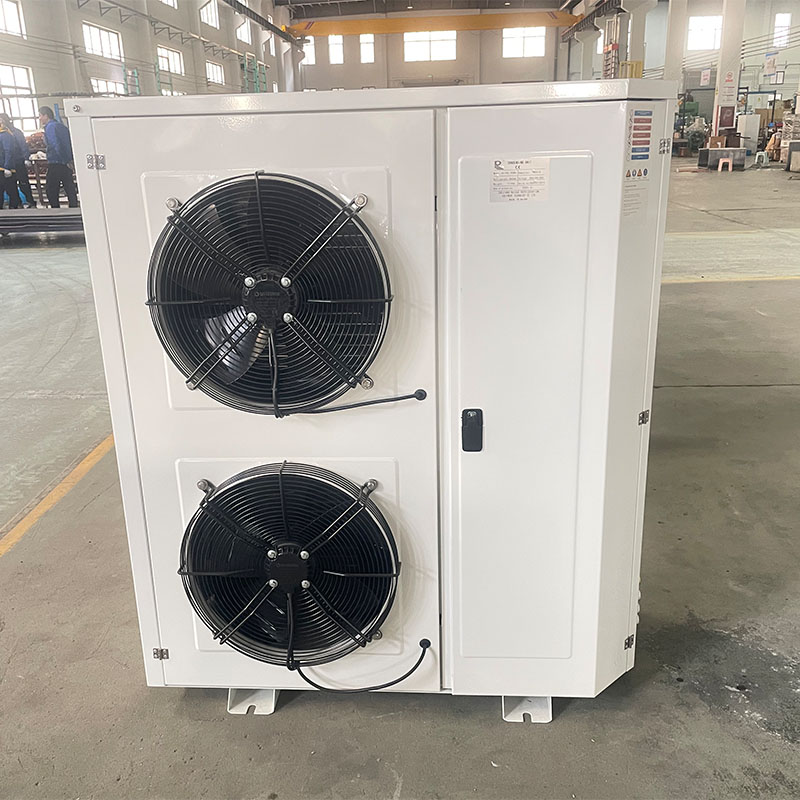
Wall mounted condensers are versatile components used across several industries, including food and beverage, pharmaceuticals, and commercial refrigeration. In the food and beverage sector, these condensers are commonly employed in refrigeration units to maintain optimal storage temperatures for perishable goods. Their compact design allows for efficient space utilization in retail environments, where maintaining a specific temperature is critical for food safety.
In pharmaceutical applications, wall mounted condensers play a crucial role in temperature-controlled environments, such as drug storage facilities and laboratories. The reliability of these condensers ensures that sensitive products remain within required temperature ranges, safeguarding their efficacy.
Additionally, in commercial refrigeration systems, these condensers are vital for walk-in coolers and freezers. Their installation can significantly enhance system efficiency, leading to reduced energy costs and improved operational performance. Each industry may have specific requirements, so understanding the application context will help you choose the right condenser model.
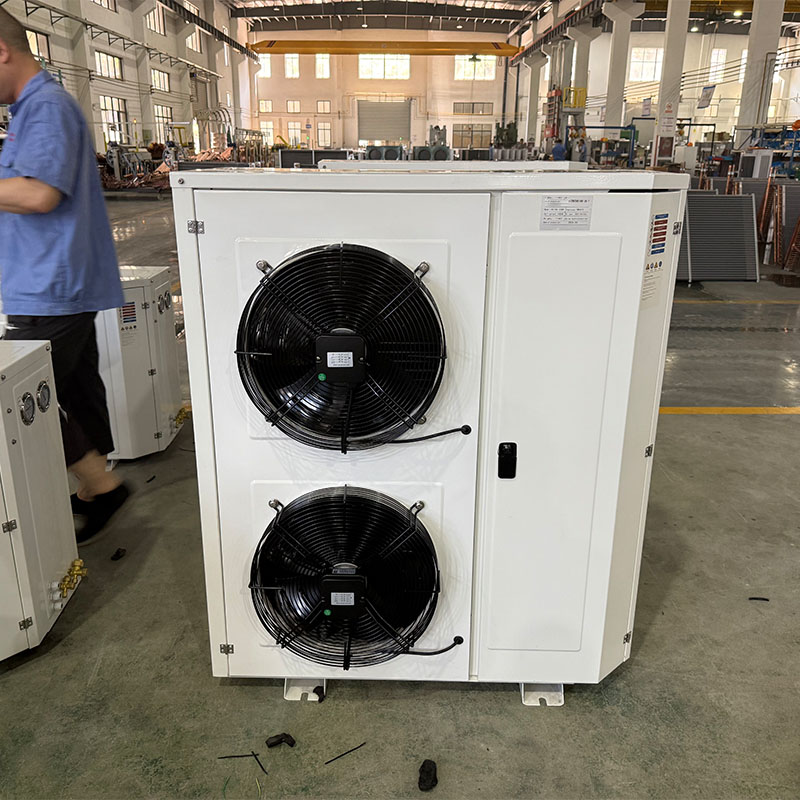
Purchasing a wall mounted condenser is a significant investment that impacts the overall efficiency and reliability of your refrigeration system. Making the right choice can lead to long-term cost savings through improved energy efficiency and reduced maintenance needs.
Buyers often overlook the importance of selecting a reputable manufacturer. A manufacturer with a strong track record in producing high-quality refrigeration equipment will likely provide better support, warranty options, and a more reliable product. This can minimize downtime and repair costs associated with inferior or poorly constructed units.
It’s also essential to consider the total cost of ownership, not just the initial purchase price. Factors such as energy efficiency, maintenance requirements, and the potential need for replacement parts will all contribute to the long-term costs associated with your condenser. Evaluating these aspects will ensure you make a purchase that aligns with your budget and operational goals.
Complete service program, from formulating of plans to the production and Cooling room, to after-sales service, there are specific docking.
A modern factory of over 40000 square meters is in place to satisfy the majority of Condensing units requirements.
Over 20 years of experience, we have the complete sales and after-sales systems with more than 20 patents and a professional R&D EMTH team.
With a strong name in the industry, and over 3,000+ clients served, EMTH EMTH is a trustworthy and reliable supplier who has been recognized by other customers.

Welcome to EMTH, a cold storage refrigeration equipment specialist in China! We offer innovative and effective cold storage solutions, including cold storage, evaporator, condensing unit and ice machine.
Room 304-305B, Building 5, BESHINE B.P, No. 559Zhuyuan Road, Minhang District 201112, Shanghai, China
Copyright © Shanghai EMTH Import & Export Co., Ltd. All Rights Reserved. - Privacy Policy
 EN
 AR
 BG
 HR
 CS
 DA
 NL
 FI
 FR
 DE
 EL
 IT
 JA
 KO
 NO
 PL
 PT
 RO
 RU
 ES
 TL
 IW
 ID
 LT
 SR
 VI
 HU
 TH
 MS
 AZ
 JW
 LO
 MN
 SO
 MY
 KK
 TG
 UZ
 GD
 XH