Unit refrigeration systems play a crucial role in various industries, providing essential cooling solutions for a wide range of applications, from food storage to industrial processes. When sourcing unit refrigeration equipment, B2B buyers often face concerns regarding efficiency, reliability, and compatibility with existing systems. This article will help you understand what to look for in high-quality unit refrigeration, the benefits for distributors and contractors, best practices for selection and installation, a comprehensive buyer's guide, and cost factors to consider in bulk orders.
When evaluating unit refrigeration systems, several key specifications and features should be considered:
Cooling Capacity: This is typically measured in BTUs or kilowatts and indicates the system's ability to remove heat from a space. Ensure that the cooling capacity aligns with your specific application needs, as an undersized unit may lead to inefficient cooling, while an oversized unit can result in unnecessary energy costs.
Energy Efficiency: Look for units equipped with energy-efficient compressors and fans. The Energy Efficiency Ratio (EER) or Seasonal Energy Efficiency Ratio (SEER) ratings provide insights into the unit's energy consumption. Higher ratings generally indicate better efficiency and lower operational costs.
Materials and Construction: Units made from high-quality materials, such as corrosion-resistant metals and durable insulation, will enhance longevity and performance. Pay attention to the quality of components like evaporators and condensers, as they directly impact the system's reliability. For instance, consider options like the Euxiur High Efficiency Evaporator for superior performance.
Customization Options: Depending on your application, you may need specific features such as adjustable temperature controls or specialized refrigerants. Verify that the manufacturer offers customization options to meet your requirements.
Quality Control Processes: A reputable manufacturer should have stringent quality control measures in place to ensure consistent performance and reliability. Inquire about their testing procedures, including performance testing under different conditions.
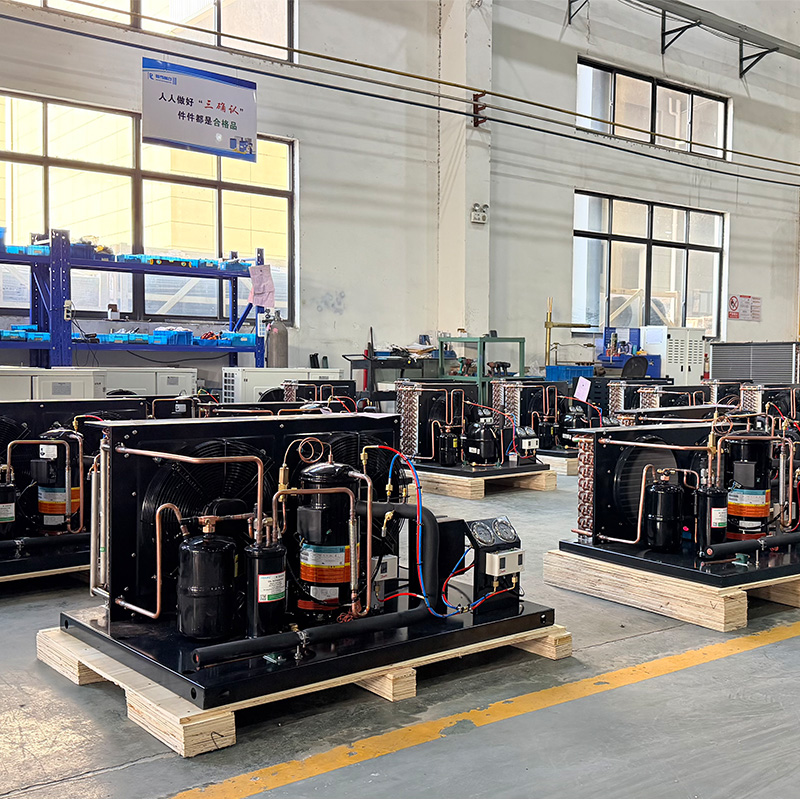
For distributors and contractors, partnering with an established unit refrigeration manufacturer like Shanghai EMTH offers several advantages:
Comprehensive Product Range: A diverse selection of air coolers, condensers, and condensing units allows for tailored solutions that meet specific customer needs across various industries. One option to consider is the Bitzer Condensing Unit, known for its reliability.
One-Stop Cold Room Solutions: By providing integrated solutions, including installation support and maintenance services, contractors can streamline their operations and enhance customer satisfaction.
Access to Patented Technologies: With over 20 patents, Shanghai EMTH utilizes innovative designs and technologies that can improve efficiency and performance, giving distributors a competitive edge in the market.
Reliable Support and Service: A manufacturer with extensive experience in the industry can offer valuable insights and technical support, helping distributors address customer concerns effectively.
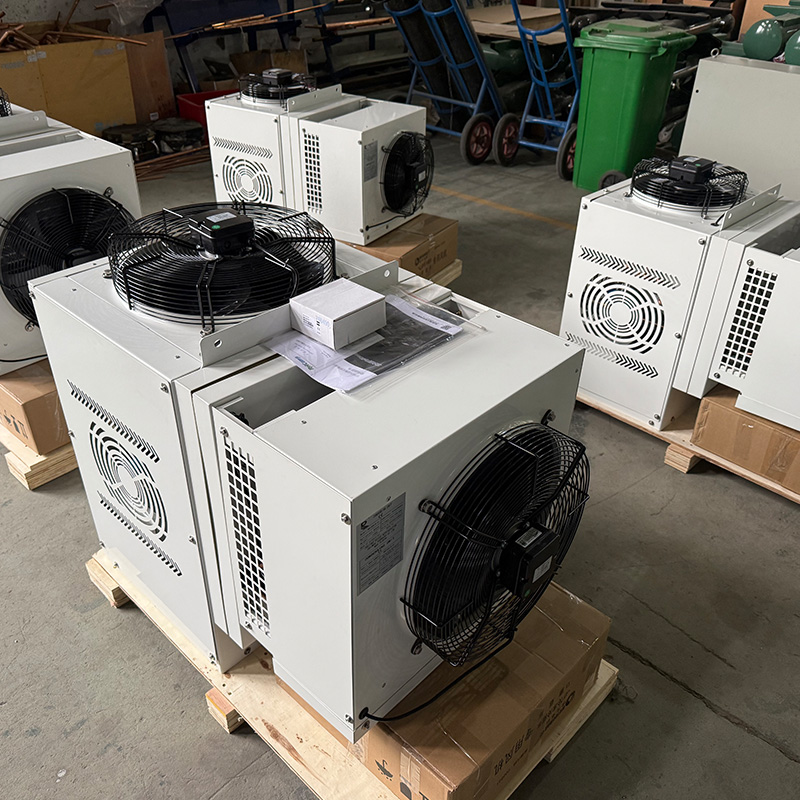
When selecting and installing unit refrigeration systems, consider these best practices:
Conduct a Needs Assessment: Evaluate the specific cooling requirements of your application, including load calculations and environmental conditions. This ensures you choose a system that meets your demands without overloading the unit.
Secure Proper Installation: Ensure that installation is carried out by qualified professionals who follow manufacturer guidelines. Improper installation can lead to inefficiencies and increase the likelihood of equipment failure.
Regular Maintenance: Establish a maintenance schedule to keep the unit in optimal condition. Routine inspections and servicing can prevent costly breakdowns and prolong the life of the equipment.
Monitor Performance: Utilize monitoring tools to track the performance of your refrigeration system. This helps identify potential issues early, allowing for timely interventions.
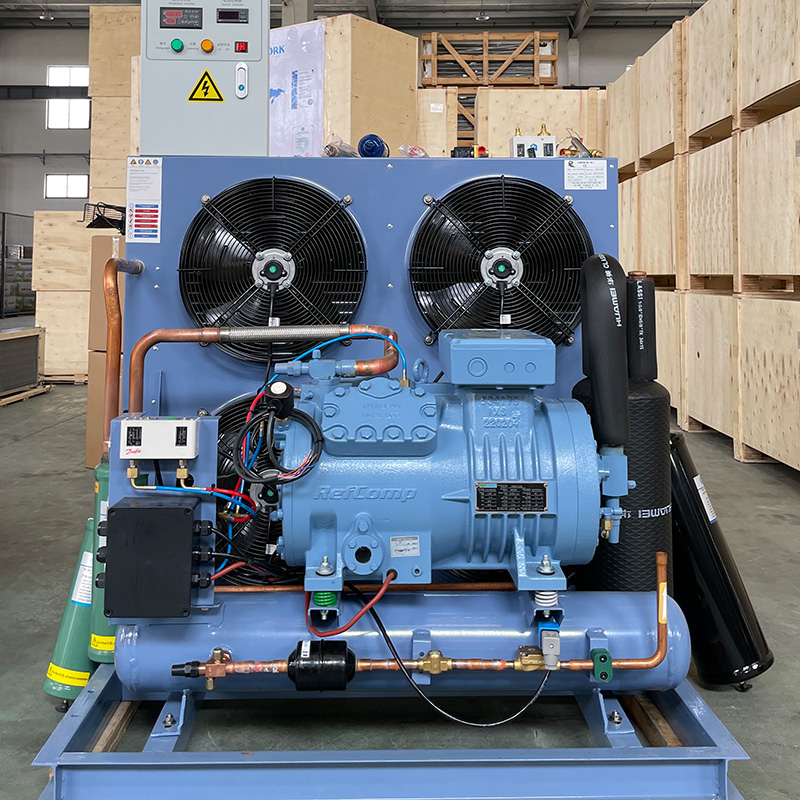
When preparing to purchase unit refrigeration systems, consider the following information to facilitate a smooth procurement process:
Product Type: Specify the type of refrigeration equipment needed, such as air coolers or condensing units.
Specifications: Clearly outline the required cooling capacities, dimensions, and any special features or certifications needed.
Quantity: Determine the number of units required and any potential for future scalability.
Application: Provide details on the intended use, including the environment in which the unit will operate and any regulatory requirements that must be met.
Customization Needs: If applicable, discuss any custom features or configurations that may be necessary for your specific application.
Packaging and Delivery: Confirm packaging methods and delivery timelines to ensure the equipment arrives in optimal condition.
After more than 20 years of expertise, we've got full sales and production and after-sales process with more than 20 patent certificates and a skilled R&D EMTH team.
Special docking is available for a complete system of service. It includes creation of plans, Ice cube machine, landing plans, and after-sales support.
A modern factory of over 40,000 square meters is available to fulfill the majority of EMTH demands for production.
With a great reputation in the industry with over 3,000+ clients served, EMTH EMTH is a trustworthy known and dependable supplier that has been recognized by other clients.

Welcome to EMTH, a cold storage refrigeration equipment specialist in China! We offer innovative and effective cold storage solutions, including cold storage, evaporator, condensing unit and ice machine.
Room 304-305B, Building 5, BESHINE B.P, No. 559Zhuyuan Road, Minhang District 201112, Shanghai, China
Copyright © Shanghai EMTH Import & Export Co., Ltd. All Rights Reserved. - Privacy Policy
 EN
 AR
 BG
 HR
 CS
 DA
 NL
 FI
 FR
 DE
 EL
 IT
 JA
 KO
 NO
 PL
 PT
 RO
 RU
 ES
 TL
 IW
 ID
 LT
 SR
 VI
 HU
 TH
 MS
 AZ
 JW
 LO
 MN
 SO
 MY
 KK
 TG
 UZ
 GD
 XH