Scroll compressor refrigeration units are essential components in various cooling applications, providing efficient and reliable refrigeration solutions for commercial and industrial needs. B2B buyers, such as purchasing managers and engineers, often seek high-performance units that meet specific requirements for efficiency, durability, and application suitability. This article will guide you through key specifications to evaluate, supplier selection, cost considerations, and installation guidance for scroll compressor refrigeration units, helping you make informed purchasing decisions.
When selecting a scroll compressor refrigeration unit, several key specifications must be evaluated to ensure optimal performance.
Cooling Capacity: This is measured in BTUs (British Thermal Units) or kW and indicates how much heat the unit can remove from the environment. It is crucial to match the cooling capacity to the specific application needs, as an undersized unit will struggle to maintain desired temperatures, while an oversized unit may cycle frequently, reducing efficiency. Consider using products like Bitzer Condensing Unit for efficient cooling solutions.
Energy Efficiency Ratio (EER): This ratio measures the cooling output divided by the energy consumption. Higher EER values indicate more efficient units, which can lead to significant cost savings in operational energy bills.
Refrigerant Type: The choice of refrigerant affects both performance and environmental impact. Common refrigerants include R-410A and R-134A, but newer, lower-GWP (Global Warming Potential) options are becoming available. Ensure compliance with local regulations regarding refrigerant usage.
Operating Temperature Range: Different applications may require specific operating temperature ranges. Understanding the unit’s capability to function effectively within the desired temperature limits is vital for reliability.
Noise Level: Measured in decibels (dB), the noise level is an important consideration, especially in commercial settings where quiet operation is preferred. Units designed for low noise levels typically incorporate sound insulation and vibration-dampening features.
Dimensions and Weight: Ensure that the unit fits within available space and meets installation requirements. Weight is also a factor, particularly for rooftop installations or when considering support structures.
By closely examining these specifications, buyers can select scroll compressor refrigeration units that align with their operational demands and efficiency goals.
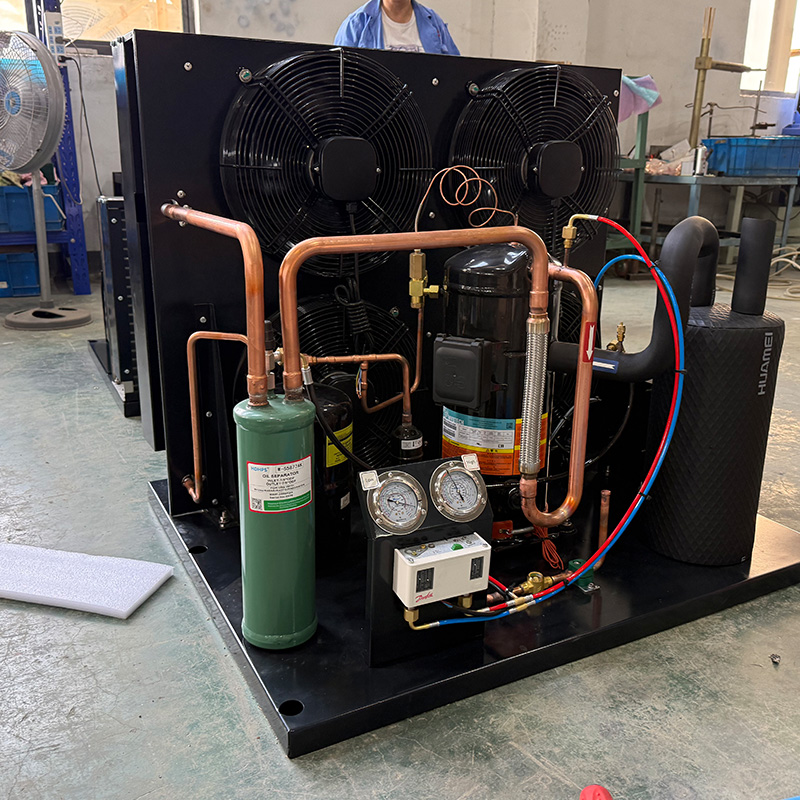
Finding a trustworthy supplier for scroll compressor refrigeration units is crucial for ensuring quality and service. Here are some steps to consider:
Industry Experience: Look for suppliers with a proven track record in manufacturing refrigeration equipment. Companies like Shanghai EMTH, with over 20 years of experience, often demonstrate reliability and expertise in the field.
Certifications and Standards: Verify that the supplier meets industry standards and certifications, such as ISO 9001 for quality management systems. This indicates adherence to quality control processes, which is vital for product reliability.
Customization Capabilities: Many applications require specific configurations or modifications. A supplier that offers custom solutions can better meet unique operational needs, such as those provided by YH Type Condenser.
Customer Reviews and References: Research online reviews and seek references from other businesses to gauge supplier performance and customer service quality.
After-Sales Support: Reliable suppliers should offer comprehensive after-sales support, including installation guidance, maintenance services, and warranty terms. This can significantly impact long-term satisfaction and operational efficiency.
By considering these factors, buyers can establish a partnership with suppliers who will support their refrigeration needs effectively.
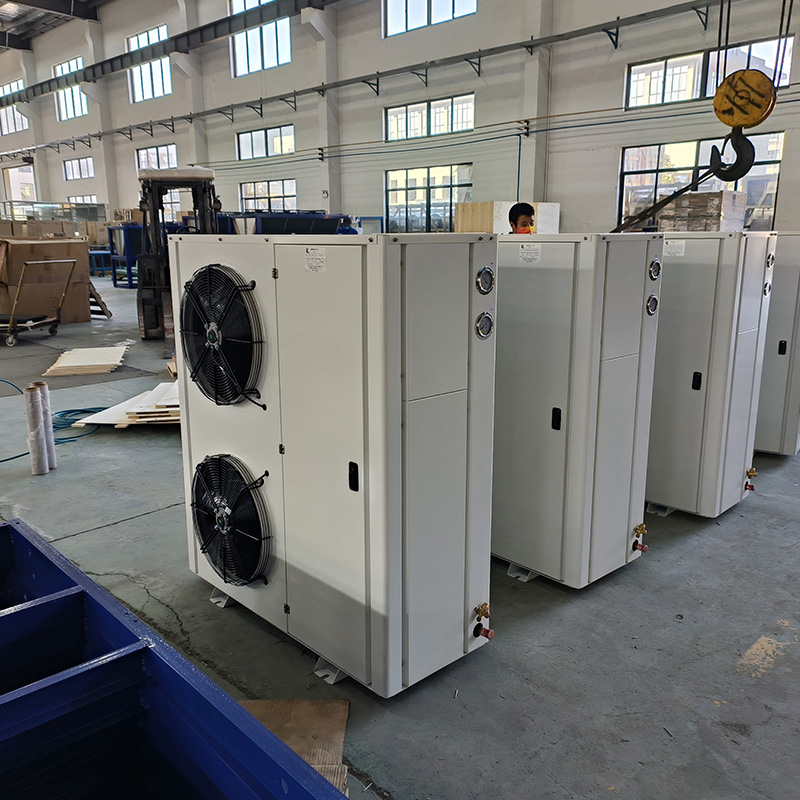
When preparing to purchase scroll compressor refrigeration units, consider the following aspects to streamline the process:
Define Requirements: Clearly outline the specifics of your cooling needs, including required cooling capacity, operating environment, and energy efficiency goals.
Request Quotations: When reaching out to suppliers for quotes, provide detailed information, such as the intended application, unit specifications, quantity needed, and any customization requirements. This will help ensure accurate and competitive pricing.
Sample Approval: Before committing to a large order, request samples to evaluate performance under your specific operating conditions. Testing samples can uncover potential issues with fit, compatibility, or efficiency.
Payment and Warranty Terms: Clarify payment structures and warranty coverage. Understanding the terms of warranty is essential for managing risks associated with equipment failure.
Logistics and Delivery: Discuss shipping methods and timelines with potential suppliers. Ensure that the delivery terms align with your operational schedule to avoid delays.
By following this guide, buyers can approach the purchasing process with confidence and clarity.
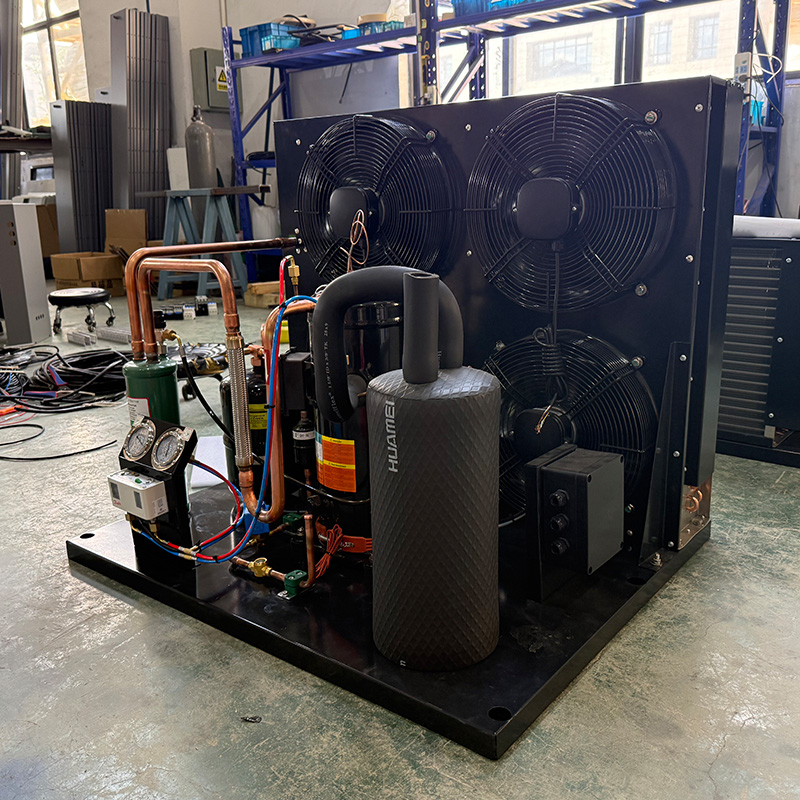
Understanding the cost structure of scroll compressor refrigeration units is vital for budgeting and financial planning. Key factors influencing costs include:
Initial Purchase Price: This includes the unit cost, which can vary based on specifications, energy efficiency ratings, and brand reputation.
Energy Consumption: Over the lifespan of the unit, energy costs will significantly impact total ownership costs. Higher initial costs for energy-efficient models can often be offset by lower operating expenses.
Installation Costs: Factor in expenses associated with installation, which may include labor, additional equipment, and any necessary modifications to existing systems.
Maintenance Requirements: Regular maintenance is essential for optimal performance. Understanding maintenance schedules and costs can help in calculating long-term expenses.
Warranty and Service Agreements: Evaluate the costs associated with extended warranties and service agreements, which can provide peace of mind and financial protection against unexpected repairs.
Potential Incentives: Research local or government incentives for energy-efficient appliances, which may offset initial costs.
By considering these cost factors, buyers can make more informed financial decisions regarding their refrigeration unit purchases.
A modern facility of more than 40,000 square meters is available to meet the majority of EMTH requirements.
Special docking is offered for a complete service. This includes the design of Commercial ice maker, production installation, landing projects, and after-sales support.
With a strong reputation in the business and over 3,000+ clients that they have served, EMTH EMTH is a trustworthy, proven supplier that has been acknowledged by other clients.
We have more than 20 years of experience and an experienced R&D EMTH.

Welcome to EMTH, a cold storage refrigeration equipment specialist in China! We offer innovative and effective cold storage solutions, including cold storage, evaporator, condensing unit and ice machine.
Room 304-305B, Building 5, BESHINE B.P, No. 559Zhuyuan Road, Minhang District 201112, Shanghai, China
Copyright © Shanghai EMTH Import & Export Co., Ltd. All Rights Reserved. - Privacy Policy
 EN
 AR
 BG
 HR
 CS
 DA
 NL
 FI
 FR
 DE
 EL
 IT
 JA
 KO
 NO
 PL
 PT
 RO
 RU
 ES
 TL
 IW
 ID
 LT
 SR
 VI
 HU
 TH
 MS
 AZ
 JW
 LO
 MN
 SO
 MY
 KK
 TG
 UZ
 GD
 XH