Monoblock refrigeration units are essential components in various industrial and commercial applications, providing efficient temperature control for cold storage, food preservation, and more. For B2B buyers, understanding how to choose the right unit, evaluating suppliers, and ensuring quality are critical concerns. This article will guide you through selecting the best monoblock refrigeration unit for your business needs, sourcing options, key specifications, quality evaluation, and material advantages.
Selecting the right monoblock refrigeration unit starts with understanding your specific operational requirements. Consider factors such as capacity, temperature range, and energy efficiency.
Capacity: Determine the volume of space you need to cool. Monoblock units come in various sizes, and selecting one that meets your operational demands without overloading is crucial for efficiency and cost-effectiveness.
Temperature Range: Different applications may require specific temperature settings. Verify that the unit you choose can maintain the desired temperature range consistently, especially for sensitive products like pharmaceuticals or perishables.
Energy Efficiency: Look for units with high energy efficiency ratings. While the initial cost may be higher, energy-efficient models can significantly reduce operating costs over time. Consider units that include advanced features such as Electronic Expansion Valves to enhance performance.
Installation Requirements: Assess your installation conditions. Some units may require specific electrical or plumbing setups or have spatial constraints that need to be addressed.
By aligning these factors with your business needs, you can optimize performance and reduce operational costs.
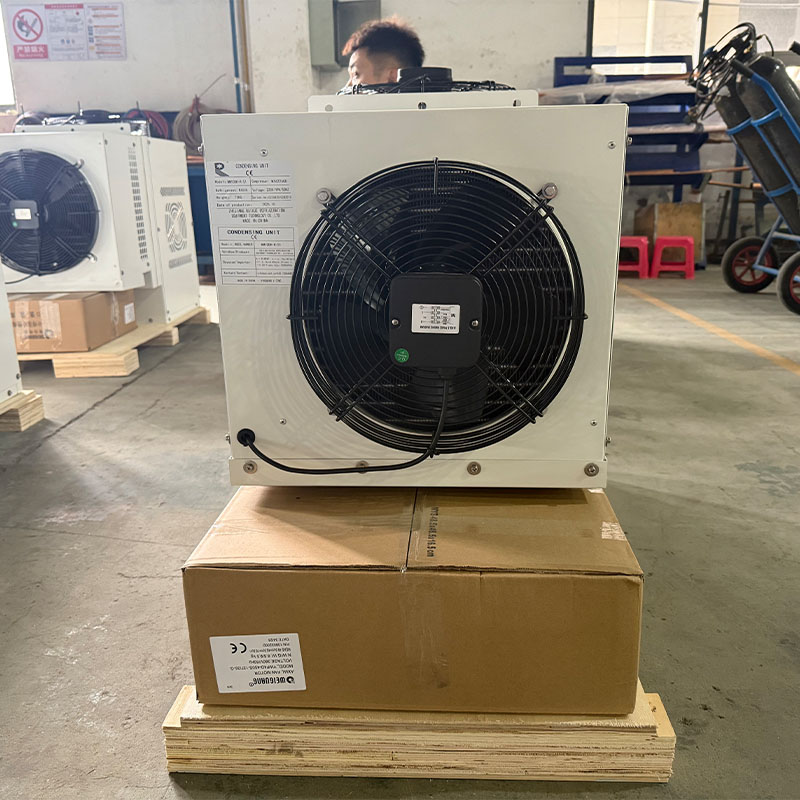
When sourcing monoblock refrigeration units, reliability is paramount. Look for established manufacturers with a proven track record, such as Shanghai EMTH, which has over 20 years of experience in refrigeration equipment manufacturing. Here are some strategies to source effectively:
Direct Manufacturers: Engaging directly with manufacturers can often yield better pricing and customization options. Inquire about bulk purchasing discounts, especially if you are looking to place a large order.
Industry Trade Shows: Attend industry trade shows to meet suppliers, see products in action, and establish relationships. This can also provide insight into the latest innovations in refrigeration technology, including advancements related to Axial Fans.
Online Marketplaces: Utilize reputable B2B platforms to find suppliers, but ensure to vet them for reliability and customer feedback. Look for manufacturers with good reviews and robust customer service.
Network Recommendations: Leverage industry contacts or associations for recommendations on trusted suppliers. Personal referrals can lead to reliable partnerships.
By thoroughly vetting suppliers and exploring various sourcing avenues, you can ensure you receive high-quality products at competitive prices.
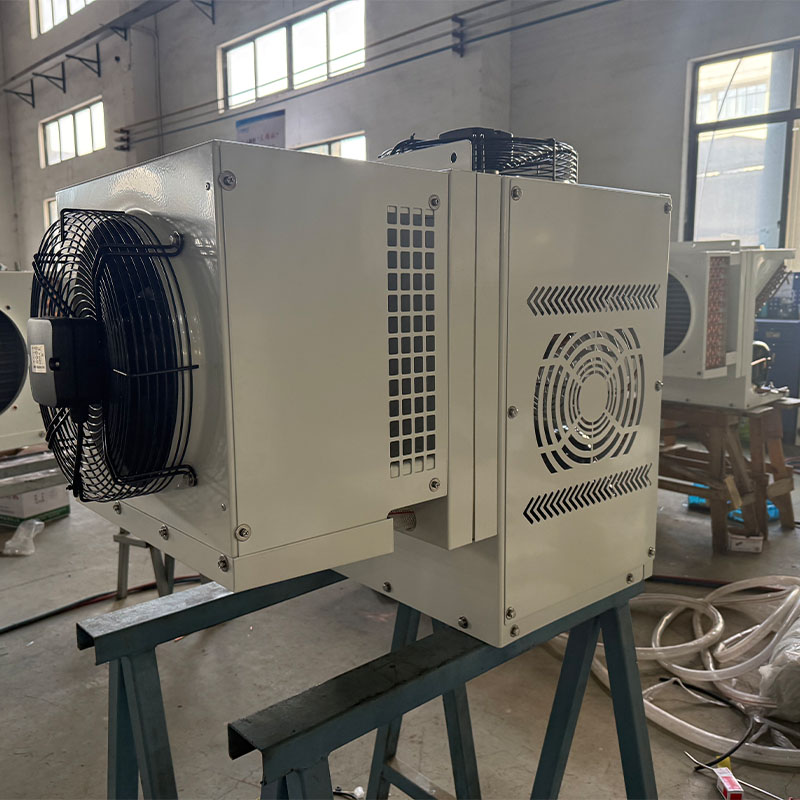
Understanding the key specifications of monoblock refrigeration units is essential for making informed purchasing decisions. Here are the critical specifications to evaluate:
Cooling Capacity: Measured in BTUs or kilowatts, this specification indicates how much heat the unit can remove from the environment per hour. Ensure the cooling capacity matches your requirements to maintain the desired temperature effectively.
Refrigerant Type: Different refrigerants have varying environmental impacts and efficiency levels. Ensure the unit uses a refrigerant that complies with regulations and meets your operational efficiency goals.
Noise Level: For applications in quiet environments, such as restaurants or hospitals, consider the noise level produced by the unit. Look for specifications that indicate sound levels in decibels (dB).
Defrosting Method: Evaluate the defrosting method of the unit—automatic or manual. An automatic defrost feature can save time and labor costs in maintenance.
Energy Consumption: Review the unit's energy consumption ratings. High-efficiency models may have a higher upfront cost but can lead to significant savings in energy bills over time.
Understanding these specifications allows you to select a unit that not only fits your operational needs but also aligns with your budget and environmental goals.
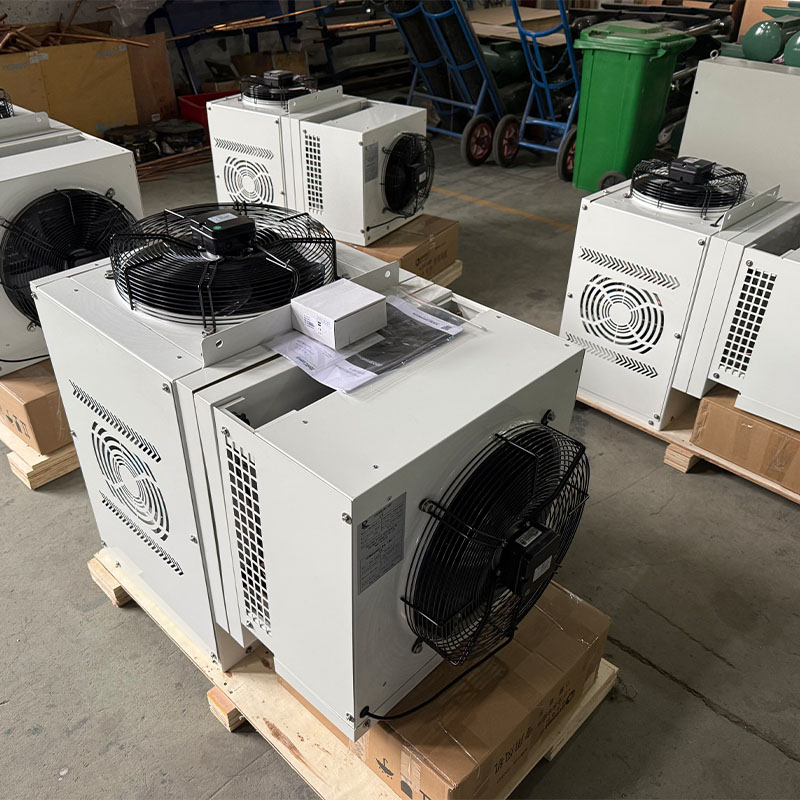
Quality evaluation is crucial when purchasing monoblock refrigeration units in bulk. Here are steps to help you assess quality effectively:
Material Quality: Examine the materials used in the unit's construction. High-quality materials ensure durability and longevity, reducing the likelihood of breakdowns. Stainless steel and high-grade plastics are commonly preferred for their resistance to corrosion and wear.
Certifications and Standards: Verify that the units comply with international quality standards and certifications. Common certifications include ISO, CE, and RoHS, which indicate adherence to safety and environmental regulations.
Quality Control Process: Inquire about the manufacturer’s quality control processes. A robust quality assurance program, including testing for performance and reliability, can provide peace of mind that the units meet specified standards before shipment.
Warranty and Support: Evaluate the warranty offered by the supplier. A comprehensive warranty can indicate the manufacturer’s confidence in their product’s quality. Additionally, assess the level of customer support available for troubleshooting and maintenance.
By conducting thorough evaluations based on these criteria, you can minimize the risks associated with bulk purchases and ensure that you are sourcing high-quality refrigeration units.
With more than 20 years of knowledge, we've developed a a complete production and sales and after-sales process with more than 20 patent certificates and a skilled R&D EMTH team.
With a great reputation in the industry with over 3,000+ clients served, EMTH EMTH is a trustworthy known and dependable supplier that has been recognized by other clients.
Complete service system, from the creation of plans, Ice maker for commercial production and project landing, to after-sales services, there's special docking.
A modern plant of over 4000 square meters is in operation to meet the majority Refrigeration condenser production requirements.

Welcome to EMTH, a cold storage refrigeration equipment specialist in China! We offer innovative and effective cold storage solutions, including cold storage, evaporator, condensing unit and ice machine.
Room 304-305B, Building 5, BESHINE B.P, No. 559Zhuyuan Road, Minhang District 201112, Shanghai, China
Copyright © Shanghai EMTH Import & Export Co., Ltd. All Rights Reserved. - Privacy Policy
 EN
 AR
 BG
 HR
 CS
 DA
 NL
 FI
 FR
 DE
 EL
 IT
 JA
 KO
 NO
 PL
 PT
 RO
 RU
 ES
 TL
 IW
 ID
 LT
 SR
 VI
 HU
 TH
 MS
 AZ
 JW
 LO
 MN
 SO
 MY
 KK
 TG
 UZ
 GD
 XH