Monoblock condensing units are essential components in refrigeration systems, providing efficient cooling solutions in various commercial and industrial applications. As a purchasing manager or engineer, understanding the intricacies of these units can significantly affect your decision-making process. This article will guide you through the wholesale options, key specifications, quality evaluation, installation guidelines, and applications of monoblock condensing units, enabling you to make informed purchasing decisions.
When considering bulk orders for monoblock condensing units, it’s crucial to evaluate several factors to ensure you receive the best value and quality. Manufacturers like Shanghai EMTH, with over 20 years of experience and a robust production capacity, can offer competitive pricing and customization options tailored to your needs. Additionally, consider the various Refrigeration Accessories that may complement your units.
Inquire about the minimum order quantity (MOQ), which can vary based on the supplier’s capabilities and your specific requirements. Additionally, assess the lead time for production and delivery to align with your project timelines. Many manufacturers also provide bulk discounts, which can significantly lower per-unit costs. Establishing a strong relationship with your supplier can also lead to better terms and flexibility in future orders.
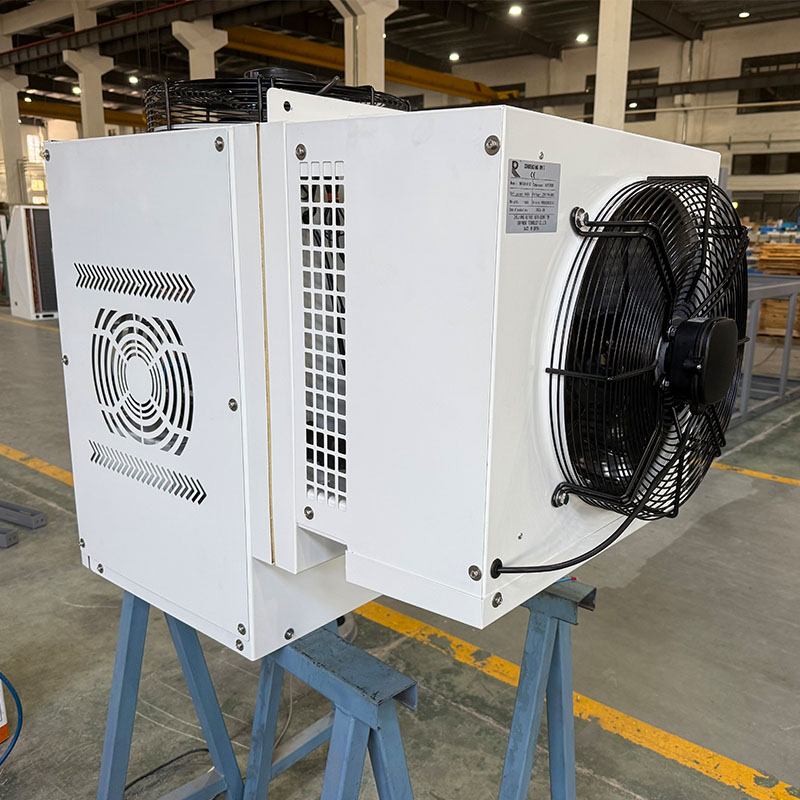
Selecting the right monoblock condensing unit requires a thorough understanding of its specifications. Here are key factors to consider:
Cooling Capacity: Measured in BTUs, this indicates how much heat the unit can remove from the environment. Ensure the unit’s capacity matches the requirements of your application to prevent underperformance or energy waste.
Refrigerant Type: Common options include R-410A and R-404A. The refrigerant choice impacts efficiency, environmental impact, and compliance with regulations. Confirm that the refrigerant type aligns with your operational needs and local regulations.
Power Supply: Check the voltage and phase requirements to ensure compatibility with your existing electrical systems. Misalignment can lead to inefficient operation or equipment damage.
Dimensions and Weight: These specifications will affect installation logistics and the suitability of the unit for your intended space. Verify that the dimensions fit your installation area, allowing for proper airflow and maintenance access.
Energy Efficiency Rating (EER): A higher EER indicates better energy efficiency, which can lead to long-term cost savings. Evaluate the EER in the context of your operational costs and sustainability goals.
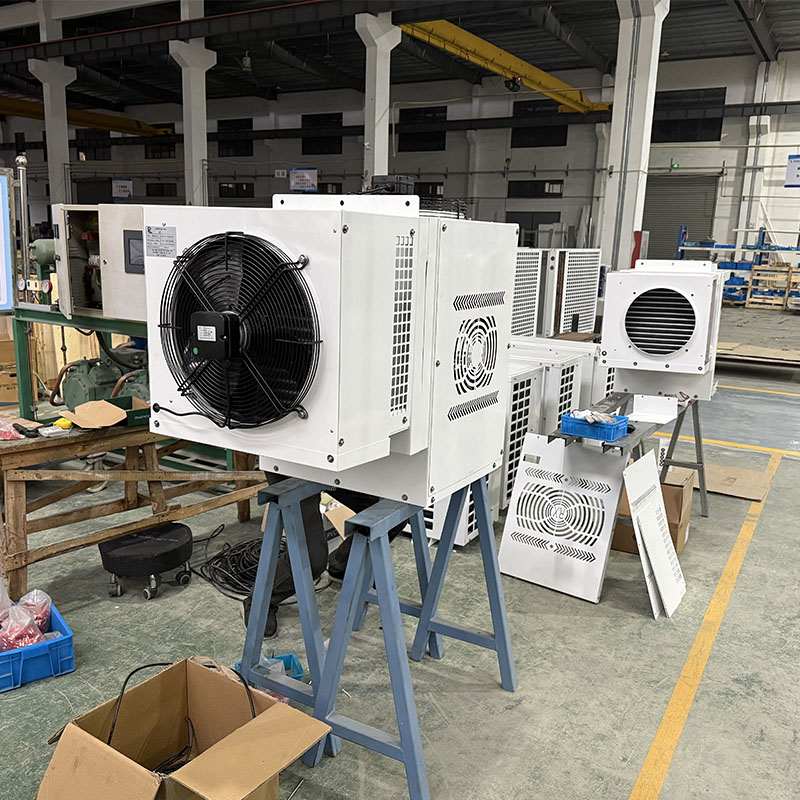
Quality assurance is paramount when purchasing monoblock condensing units. Here are some strategies to ensure you choose a reliable product:
Certifications: Look for units that meet industry standards and certifications, such as CE or ISO. These certifications indicate adherence to quality and safety protocols.
Material Selection: Assess the materials used in the unit’s construction. High-quality components contribute to durability and performance. For instance, corrosion-resistant materials are essential for units used in humid environments.
Manufacturing Process: Understanding the manufacturer’s production techniques can provide insights into the quality of the final product. Companies like Shanghai EMTH leverage modern manufacturing processes and rigorous quality control measures to ensure consistency and reliability.
Testing Procedures: Inquire about the testing protocols used before shipping. Units should undergo performance testing to verify their operational efficiency under various conditions.
Customer Reviews and References: Feedback from previous customers can offer valuable insights into product performance and supplier reliability. Don’t hesitate to ask for references or case studies.
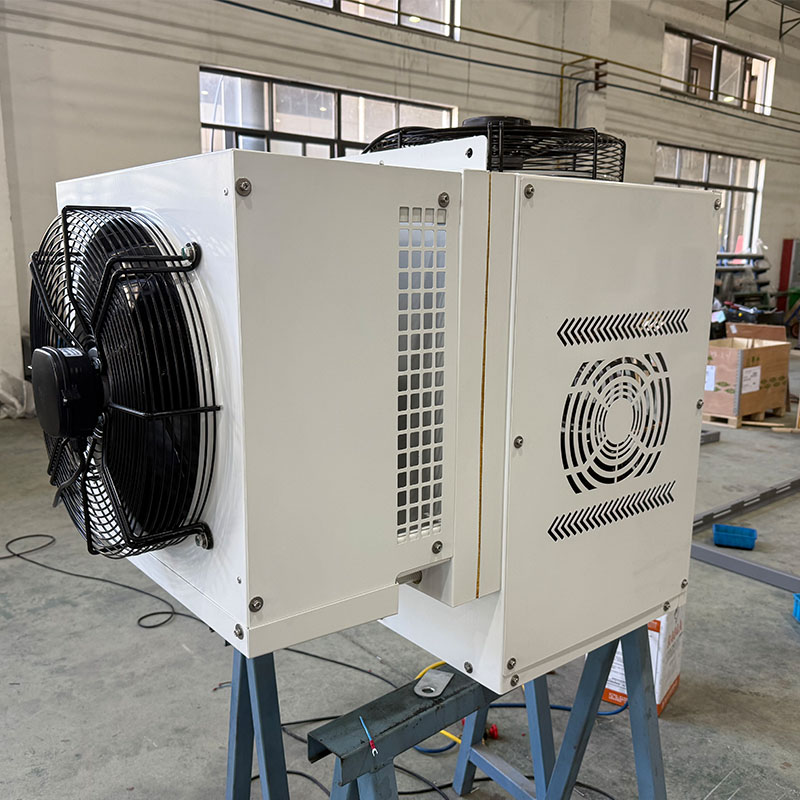
Proper installation of monoblock condensing units is crucial for maximizing their efficiency and longevity. Here are essential installation guidelines:
Location Selection: Install the unit in a well-ventilated area to facilitate optimal airflow. Avoid placing it in enclosed spaces or near heat sources that could affect performance.
Mounting: Ensure the unit is securely mounted on a stable surface to reduce vibrations and noise. The mounting structure should be capable of supporting the unit’s weight and any external influences like wind.
Electrical Connections: All electrical connections should comply with local codes and regulations. Engage a qualified electrician to ensure safe and reliable connections.
Refrigerant Lines: Proper insulation and routing of refrigerant lines are critical to prevent leaks and maintain efficiency. Ensure connections are tight and check for any signs of wear or damage.
Commissioning: After installation, conduct a commissioning process to verify that all components function correctly. Check refrigerant levels, test electrical connections, and monitor system pressures.
With a strong reputation in the business and over 3,000+ clients that they have served, EMTH EMTH is a trustworthy, proven supplier that has been acknowledged by other clients.
Complete service program, from formulating of plans to the production and Ice maker for under counter, to after-sales service, there are specific docking.
A modern factory of over 40,000 square meters is available to fulfill the majority of EMTH demands for production.
We have more than 20 years of experience and an experienced R&D EMTH.

Welcome to EMTH, a cold storage refrigeration equipment specialist in China! We offer innovative and effective cold storage solutions, including cold storage, evaporator, condensing unit and ice machine.
Room 304-305B, Building 5, BESHINE B.P, No. 559Zhuyuan Road, Minhang District 201112, Shanghai, China
Copyright © Shanghai EMTH Import & Export Co., Ltd. All Rights Reserved. - Privacy Policy
 EN
 AR
 BG
 HR
 CS
 DA
 NL
 FI
 FR
 DE
 EL
 IT
 JA
 KO
 NO
 PL
 PT
 RO
 RU
 ES
 TL
 IW
 ID
 LT
 SR
 VI
 HU
 TH
 MS
 AZ
 JW
 LO
 MN
 SO
 MY
 KK
 TG
 UZ
 GD
 XH