Monoblock condensing units for walk-in freezers are vital components in refrigeration systems, designed to maintain precise temperature control in commercial cold storage applications. Buyers often prioritize efficiency, reliability, and compatibility when sourcing these units. This article will address key considerations in selecting monoblock condensing units, including specifications, supplier reliability, and best practices to enhance purchasing decisions.
When sourcing monoblock condensing units for walk-in freezers, several factors should be considered to ensure optimal performance and value. First, evaluate the cooling capacity required for your specific application. This is determined by the size of the walk-in freezer and the intended use, as different products may require varying temperature levels.
Next, consider the energy efficiency of the unit. Look for models with high Energy Efficiency Ratios (EER) or Seasonal Energy Efficiency Ratios (SEER), as they can significantly reduce operational costs over time. Additionally, assess the noise level, especially if the unit will be located near customer areas.
The unit's compatibility with existing systems is another crucial factor. Confirm that the monoblock condensing unit can integrate seamlessly with your current refrigeration setup. It’s also advisable to inquire about the manufacturer’s support and warranty options, as reliable after-sales service can be invaluable.
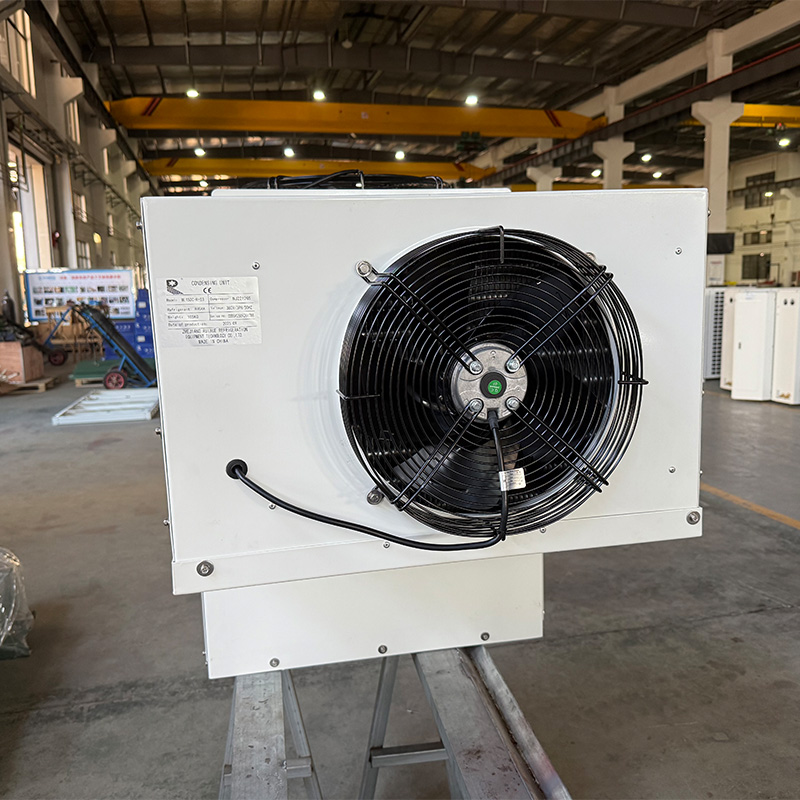
Understanding the essential specifications of monoblock condensing units is critical for making informed purchasing decisions. Key specifications include:
Cooling Capacity: Measured in BTUs, this indicates how much heat the unit can remove from the freezer. Ensure that the cooling capacity aligns with your specific refrigeration needs.
Refrigerant Type: Common refrigerants include R-404A and R-448A. The choice of refrigerant affects not only efficiency but also environmental compliance, as regulations may vary by region.
Power Supply: Check the voltage and phase requirements to ensure compatibility with your electrical system. Units may operate on single-phase or three-phase power, affecting installation and operational costs.
Compressor Type: Options include reciprocating and scroll compressors, each with its advantages. Reciprocating compressors are often more robust for larger applications, while scroll models may offer quieter operation. You might also consider the Compressor For Refrigeration Tools And Equipment for varied applications.
Dimensions and Weight: Ensure that the unit’s size fits your installation space and that it can be adequately supported by your infrastructure.
These specifications directly impact the unit's performance, energy consumption, and suitability for your application.
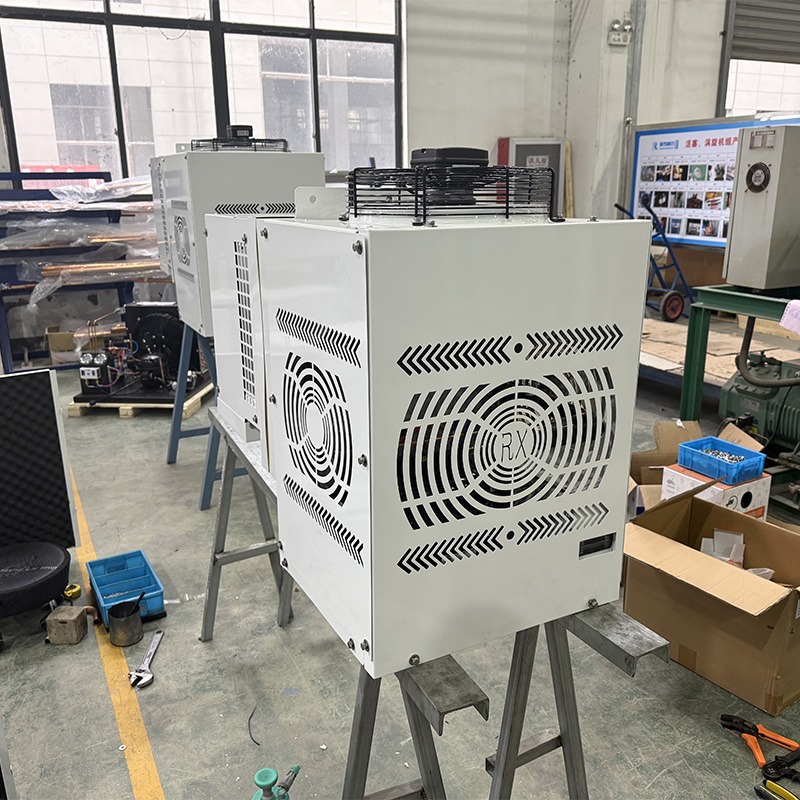
Finding a trustworthy supplier for monoblock condensing units requires diligent research. Start by seeking manufacturers with a proven track record in the refrigeration industry. Look for companies that have been in business for several years and have a portfolio of successful projects.
Trade shows, industry conferences, and online platforms like Alibaba and ThomasNet can be useful for identifying potential suppliers. Pay attention to customer reviews and ratings to gauge the supplier's reputation.
It’s also beneficial to request references from past clients. A reliable supplier should be willing to provide case studies or testimonials showcasing their product performance and customer service. Additionally, inquire about their manufacturing capabilities, including quality control processes and certifications, which can provide assurance regarding product reliability and compliance with industry standards.
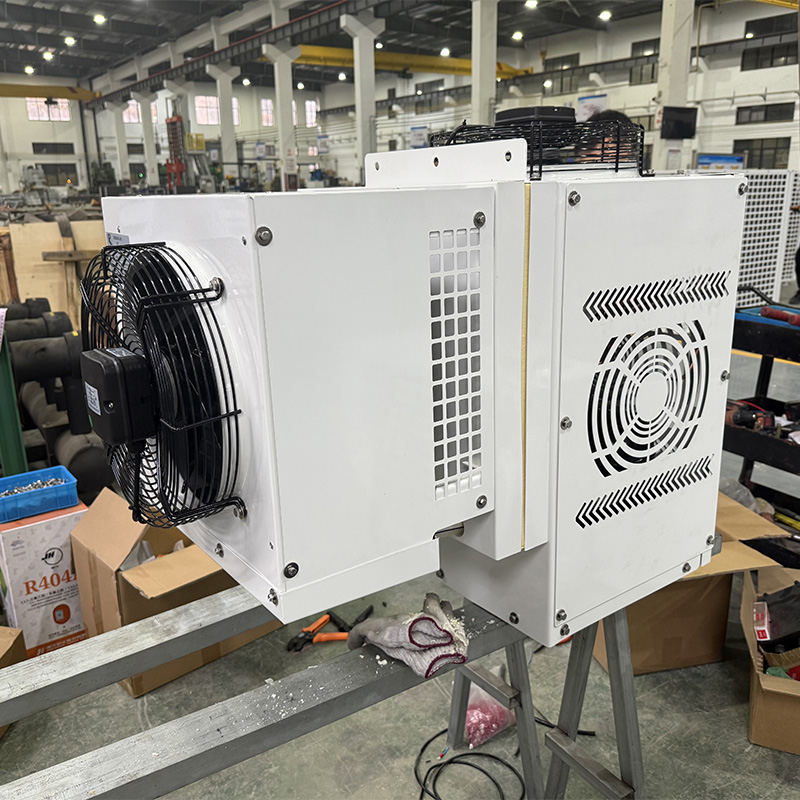
Monoblock condensing units are versatile and can be tailored to various applications beyond just walk-in freezers. Understanding the specific needs of each application can guide buyers in selecting the right unit.
Commercial Refrigeration: For grocery stores or restaurants, units may need to handle varying loads throughout the day, requiring models with adjustable cooling capacities and quick recovery times.
Industrial Freezers: These applications often require higher capacities and robust construction to handle large volumes and maintain performance under continuous use.
Pharmaceutical Storage: Precise temperature control is critical in this sector. Units must comply with stringent regulatory standards, making it essential to choose models designed for high stability and reliability.
Ice Cream Production: This application requires rapid cooling and the ability to maintain low temperatures consistently. Specific compressor designs tailored for this purpose can enhance efficiency.
By matching the unit to the application, buyers can ensure optimal performance and longevity.
Special docking is offered for a complete service. This includes the design of Coldrooms, production installation, landing projects, and after-sales support.
With a good reputation in the industry and more than 3,000 clients who have been served, Condensing unit is a trustworthy established supplier that has been recognized by other customers.
After more than 20 years of expertise, we've got full sales and production and after-sales process with more than 20 patent certificates and a skilled R&D EMTH team.
A modern plant of over 4000 square meters is in operation to meet the majority Refrigeration condenser production requirements.

Welcome to EMTH, a cold storage refrigeration equipment specialist in China! We offer innovative and effective cold storage solutions, including cold storage, evaporator, condensing unit and ice machine.
Room 304-305B, Building 5, BESHINE B.P, No. 559Zhuyuan Road, Minhang District 201112, Shanghai, China
Copyright © Shanghai EMTH Import & Export Co., Ltd. All Rights Reserved. - Privacy Policy
 EN
 AR
 BG
 HR
 CS
 DA
 NL
 FI
 FR
 DE
 EL
 IT
 JA
 KO
 NO
 PL
 PT
 RO
 RU
 ES
 TL
 IW
 ID
 LT
 SR
 VI
 HU
 TH
 MS
 AZ
 JW
 LO
 MN
 SO
 MY
 KK
 TG
 UZ
 GD
 XH