Evaporator refrigeration systems play a crucial role in maintaining optimal temperatures in various commercial and industrial applications. These systems are designed to absorb heat from an environment, making them essential for processes such as food preservation, chemical storage, and climate control. B2B buyers often focus on specifications, installation challenges, and application suitability when selecting evaporator refrigeration units. This article will provide insights into key specifications, installation issues, applications across industries, sourcing options, and an understanding of the components involved in evaporator refrigeration systems.
When evaluating evaporator refrigeration systems, several key specifications should be prioritized to ensure optimal performance and compatibility with your application.
Cooling Capacity: This is typically measured in BTUs or kilowatts and indicates how much heat the evaporator can remove from the environment per hour. Selecting a unit with the appropriate cooling capacity is vital; an undersized unit may struggle to maintain the desired temperature, while an oversized unit can lead to excessive energy consumption and humidity issues.
Refrigerant Type: Different systems use various refrigerants, such as R-410A or R-134A. The choice of refrigerant affects efficiency, environmental impact, and compatibility with existing equipment. Buyers should ensure that the refrigerant used complies with local regulations and industry standards.
Material Construction: The materials used in evaporator construction, such as aluminum or stainless steel, influence durability, corrosion resistance, and heat transfer efficiency. For instance, stainless steel evaporators are often preferred in corrosive environments, while aluminum may offer a cost-effective solution for less demanding applications. Additionally, consider options like the Euxiur High Efficiency Evaporator for improved performance.
Dimensions: The physical size of the evaporator is critical for installation. Buyers should verify that the dimensions align with available space and ensure that airflow requirements are met to avoid performance issues.
Defrost Method: Evaporators can utilize different defrost methods, such as electric, hot gas, or natural defrost. The choice of defrost method affects energy consumption and maintenance needs. Buyers should evaluate their operational requirements when determining the most suitable option.
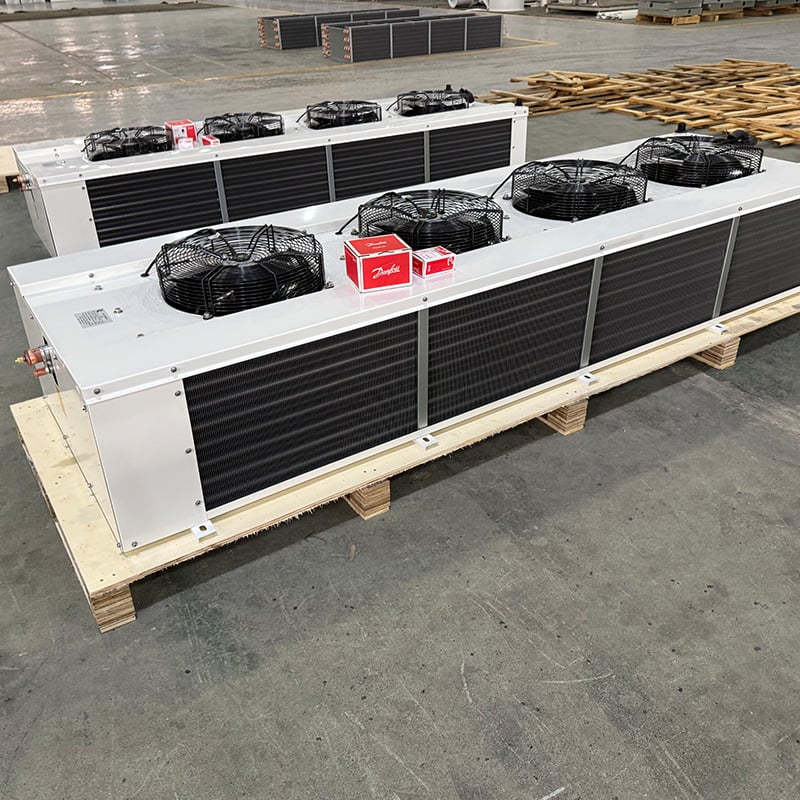
Installation of evaporator refrigeration units can present several challenges that may affect performance and longevity. Understanding these issues can help buyers make informed decisions and avoid costly mistakes:
Inadequate Airflow: One common problem is insufficient airflow due to poor placement or obstructions. Proper positioning of the evaporator unit is crucial; it should be placed in an area where it can draw in sufficient air without obstruction. This not only ensures effective cooling but also prevents potential overheating and system failure.
Incorrect Sizing: Buyers sometimes opt for a unit based on initial costs rather than the required capacity. An improperly sized evaporator can lead to inefficient operation, excessive wear, and high energy costs. It is essential to conduct a thorough assessment of the cooling load before finalizing a purchase.
Improper Electrical Connections: Electrical issues can arise if wiring is not executed according to specifications. This can lead to system failure or even safety hazards. Buyers should ensure that all electrical connections are made by qualified technicians and in compliance with local codes.
Insulation Issues: Insufficient or damaged insulation can lead to energy losses and reduced efficiency. Properly insulating connections and the evaporator itself is critical for maintaining optimal performance and minimizing energy waste.
Lack of Maintenance Access: During installation, it is vital to consider maintenance access. Units should be installed in a way that allows for easy access to components for routine checks and repairs, helping to avoid costly downtime.
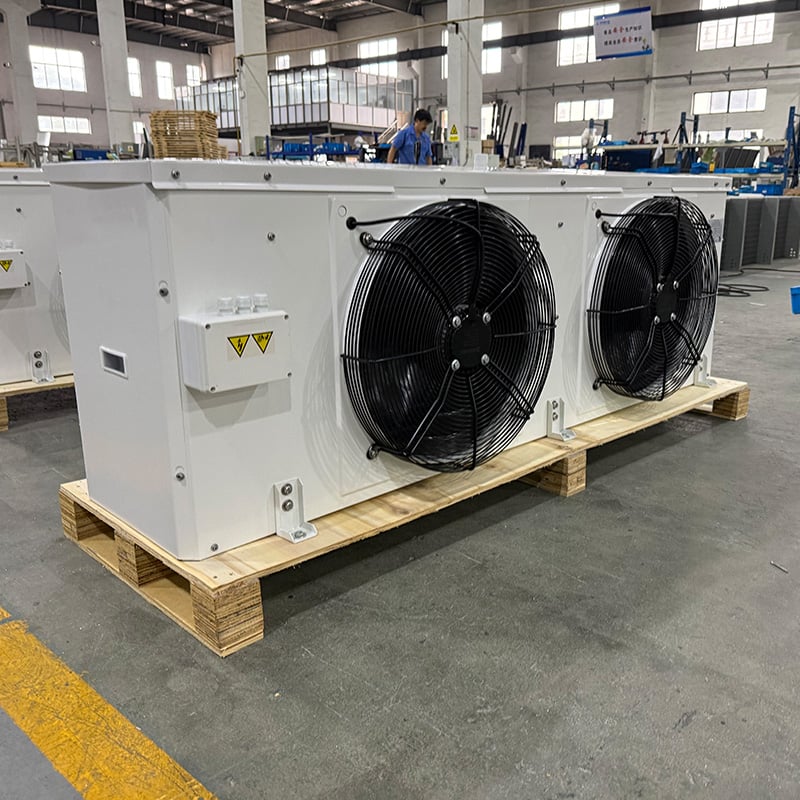
Evaporator refrigeration systems are versatile and find applications across a range of industries:
Food and Beverage: In the food industry, evaporators maintain controlled temperatures in cold storage, ensuring food safety and quality. Systems are employed in processing plants, warehouses, and retail environments to preserve perishable items.
Pharmaceuticals: The pharmaceutical industry relies on evaporator refrigeration to store temperature-sensitive products, such as vaccines and medications. Maintaining consistent temperatures is crucial to ensure the efficacy and safety of these products.
Chemical Manufacturing: In chemical processes, evaporators are used to regulate temperatures during reactions and storage, preventing hazardous situations and ensuring product integrity.
HVAC Systems: Evaporators are integral components in HVAC systems, providing cooling for residential and commercial buildings. They help regulate indoor climates, enhancing comfort and energy efficiency. For instance, the H Type Condensing Units are often paired with evaporators to optimize HVAC performance.
Industrial Processes: Many manufacturing processes require precise temperature control, making evaporator refrigeration systems essential in industries like plastics and metals.
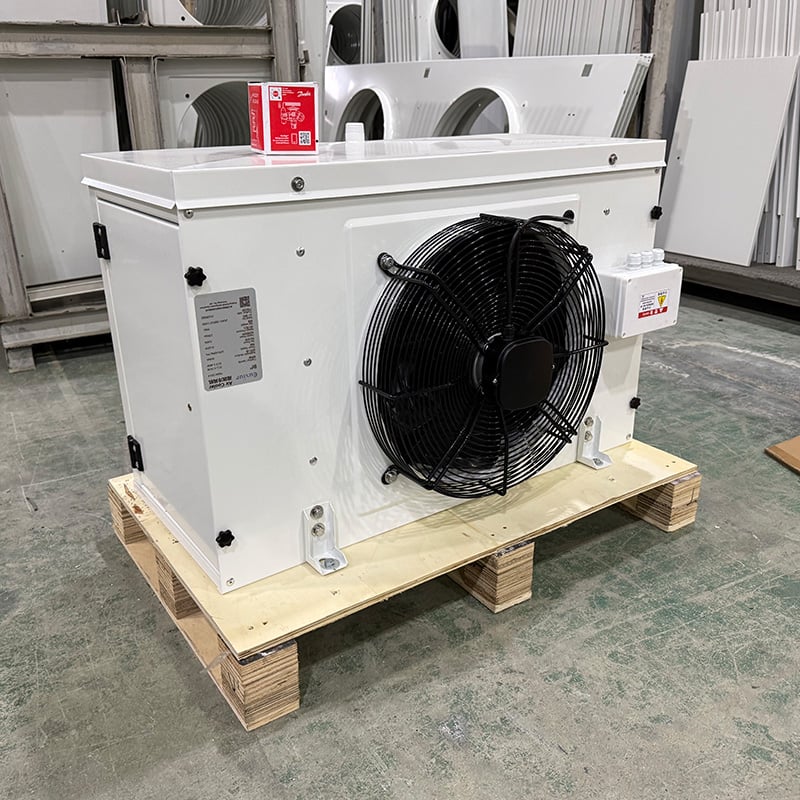
Finding reliable wholesale suppliers for evaporator refrigeration solutions is crucial for ensuring quality and competitive pricing. Here are some avenues to explore:
Industry Trade Shows: Attending trade shows dedicated to refrigeration and HVAC can provide opportunities to meet manufacturers, suppliers, and distributors. These events often showcase the latest technologies and innovations, allowing buyers to compare options effectively.
Online Marketplaces: E-commerce platforms and B2B marketplaces offer a wide range of evaporator refrigeration units from various manufacturers. Buyers can filter options by specifications, price, and customer reviews to make informed decisions.
Manufacturers’ Websites: Established manufacturers, like Shanghai EMTH, often provide comprehensive product catalogs and specification sheets on their websites. Contacting manufacturers directly can also lead to customized solutions and bulk pricing opportunities.
Industry Associations: Joining industry associations can connect buyers with reputable suppliers and provide access to resources, best practices, and networking opportunities within the refrigeration sector.
Local Distributors: Engaging with local distributors can facilitate quicker response times and support. Distributors often have extensive knowledge of the products they carry and can assist in matching units to specific needs.
Special docking is offered for a complete service. This includes the design of Commercial ice maker, production installation, landing projects, and after-sales support.
With more than 20 years of knowledge, we've developed a a complete production and sales and after-sales process with more than 20 patent certificates and a skilled R&D EMTH team.
A modern plant of over 40000 square meters is in place to meet the EMTH majority manufacturing requirements.
With a good name in the industry, with over 3,000+ clients serviced, EMTH EMTH is a trustworthy established supplier that is praised by its clients.

Welcome to EMTH, a cold storage refrigeration equipment specialist in China! We offer innovative and effective cold storage solutions, including cold storage, evaporator, condensing unit and ice machine.
Room 304-305B, Building 5, BESHINE B.P, No. 559Zhuyuan Road, Minhang District 201112, Shanghai, China
Copyright © Shanghai EMTH Import & Export Co., Ltd. All Rights Reserved. - Privacy Policy
 EN
 AR
 BG
 HR
 CS
 DA
 NL
 FI
 FR
 DE
 EL
 IT
 JA
 KO
 NO
 PL
 PT
 RO
 RU
 ES
 TL
 IW
 ID
 LT
 SR
 VI
 HU
 TH
 MS
 AZ
 JW
 LO
 MN
 SO
 MY
 KK
 TG
 UZ
 GD
 XH