Choosing the right cooler evaporator coil is critical for ensuring optimal performance in refrigeration systems. These components play a pivotal role in heat exchange, directly impacting energy efficiency and cooling capacity. B2B buyers, including purchasing managers and engineers, often face concerns regarding compatibility, quality, and cost-effectiveness when sourcing these coils. This article will guide you through the key considerations for selecting a cooler evaporator coil, how to find reliable suppliers, cost factors, application scenarios, and the impact of material choices on performance.
Selecting the appropriate cooler evaporator coil involves several critical considerations. First, assess the application requirements—understanding the specific cooling load, temperature range, and humidity levels your system operates within. This will help you determine the necessary coil capacity and configuration.
Next, consider the dimensions and design of the coil. The size should be compatible with the existing system layout, ensuring effective airflow and heat exchange. Attention to the fin density and tube configuration is also essential, as these factors influence the coil's efficiency and cooling performance.
Material selection plays a significant role in coil durability and efficiency. Common materials include copper, aluminum, and stainless steel, each offering different benefits concerning heat transfer efficiency, corrosion resistance, and overall longevity. For instance, copper coils are known for their excellent thermal conductivity while aluminum offers weight advantages and resistance to corrosion. Additionally, the Euxiur High Efficiency Evaporator is an example of a product that optimizes these material characteristics for better performance.
Lastly, evaluate the manufacturer’s quality assurance processes. A reputable manufacturer will adhere to strict quality control measures, ensuring that each coil meets industry standards and performs reliably in demanding conditions.
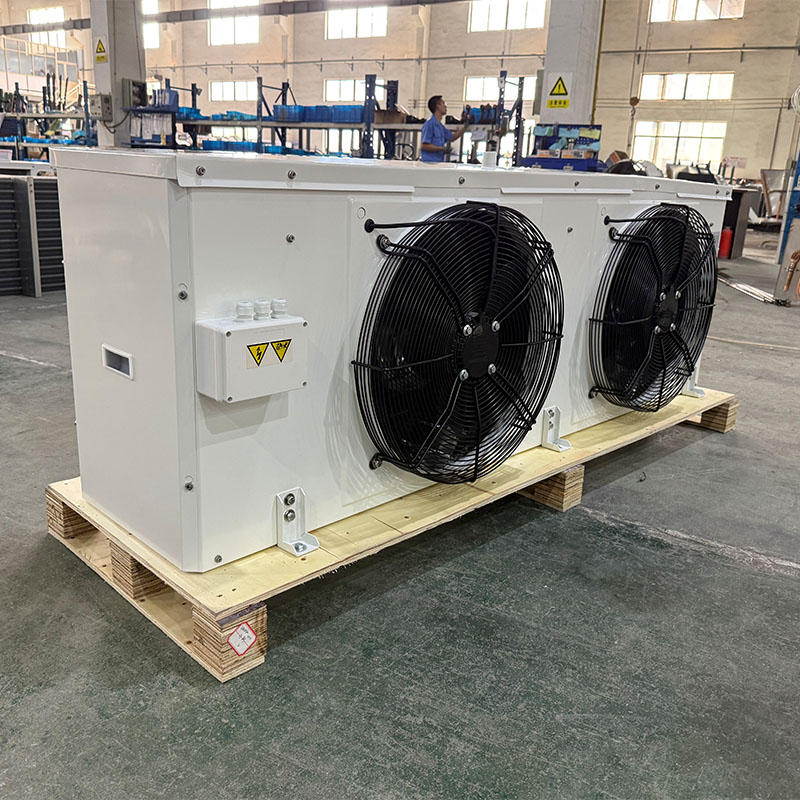
Finding trustworthy suppliers for cooler evaporator coils requires careful research. Start by identifying manufacturers with a solid track record in the refrigeration industry. Look for experience—a company like Shanghai EMTH, with over 20 years in manufacturing refrigeration equipment, can provide insights into product quality and reliability.
Seek suppliers who offer certifications for their products, as this indicates compliance with industry standards. Inquire about their manufacturing capabilities and whether they can accommodate custom specifications. A supplier's ability to provide tailored solutions can be crucial for projects with unique requirements. For instance, check out the Bitzer Condensing Unit for specialized custom solutions.
Moreover, examine customer reviews and testimonials to gauge the supplier's reputation. Engaging with industry peers for recommendations or referrals can also yield valuable insights. When you narrow down your options, request samples to assess product quality firsthand before finalizing your supplier choice.
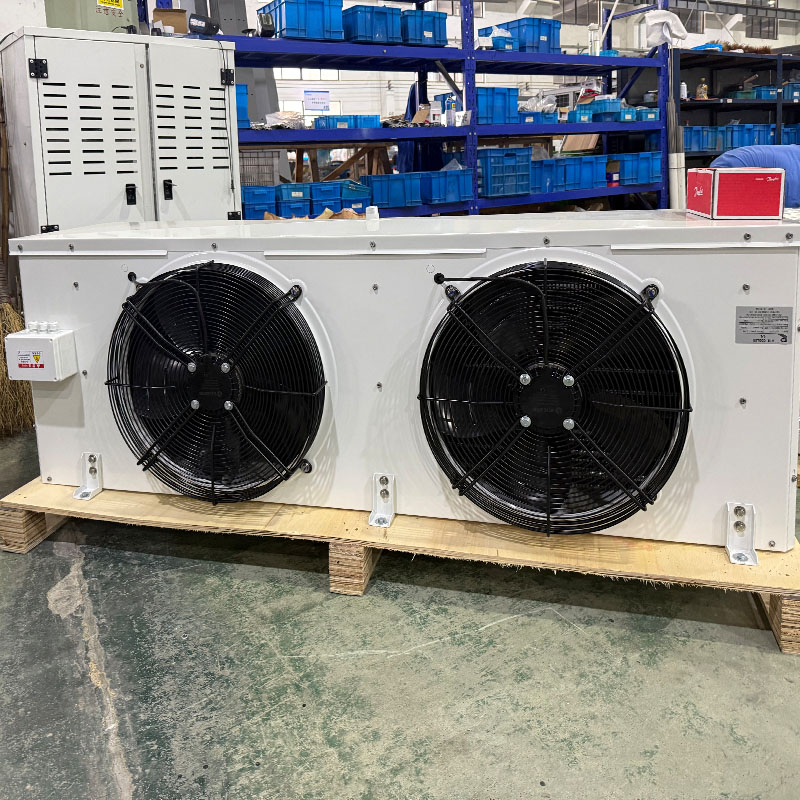
Understanding the cost factors associated with cooler evaporator coils is vital for budgeting and financial planning. The initial purchase price often reflects the material quality, manufacturing processes, and design complexity. Higher-quality materials and advanced designs may come with increased costs, but they can lead to lower operational expenses through improved efficiency.
When evaluating quotes, consider the total cost of ownership. This includes not only the upfront price but also potential savings on energy consumption and maintenance over time. For example, a more efficient coil might have a higher initial cost but result in significant energy savings in the long run.
Minimum order quantities (MOQ) can also impact pricing. Suppliers may offer discounts for bulk purchases, so it's worth discussing these terms during negotiations. Additionally, factor in shipping and handling costs, especially if sourcing from international suppliers, as these can significantly affect total expenses.
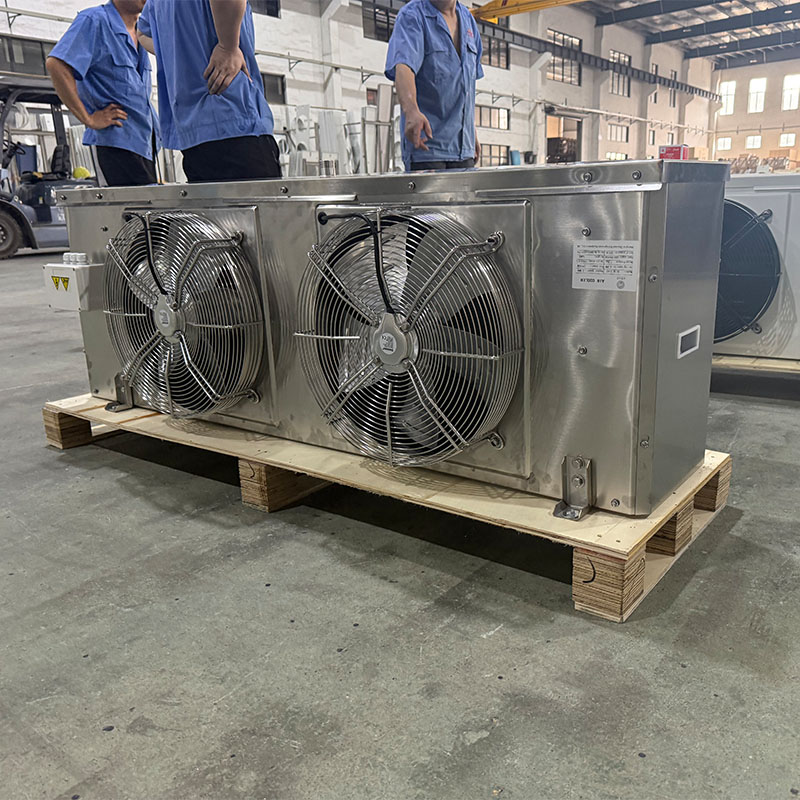
Cooler evaporator coils are essential components in various refrigeration applications. They are commonly used in commercial refrigeration, such as walk-in coolers and freezers, where maintaining specific temperature ranges is critical for preserving perishable goods. The design and configuration of the coil must align with the cooling requirements of the space to ensure optimal performance.
In industrial refrigeration, these coils are utilized in larger systems, such as chillers and process cooling units. The ability to handle substantial cooling loads while maintaining energy efficiency is paramount in these settings.
Additionally, cooler evaporator coils are prevalent in HVAC systems, where they help regulate indoor climates. Understanding the specific application will guide buyers in selecting coils that meet performance and efficiency standards tailored to their operational needs.
With a full service system, from the formulation of plans, production of Condensing units as well as project landing until after-sales assistance, there's special docking.
A modern facility of more than 40,000 square meters is available to meet the majority of EMTH requirements.
EMTH EMTH has a solid track record in the field, with over 3,000+ happy customers.
We have more than 20 years of experience and an experienced R&D EMTH.

Welcome to EMTH, a cold storage refrigeration equipment specialist in China! We offer innovative and effective cold storage solutions, including cold storage, evaporator, condensing unit and ice machine.
Room 304-305B, Building 5, BESHINE B.P, No. 559Zhuyuan Road, Minhang District 201112, Shanghai, China
Copyright © Shanghai EMTH Import & Export Co., Ltd. All Rights Reserved. - Privacy Policy
 EN
 AR
 BG
 HR
 CS
 DA
 NL
 FI
 FR
 DE
 EL
 IT
 JA
 KO
 NO
 PL
 PT
 RO
 RU
 ES
 TL
 IW
 ID
 LT
 SR
 VI
 HU
 TH
 MS
 AZ
 JW
 LO
 MN
 SO
 MY
 KK
 TG
 UZ
 GD
 XH