Walk-in cooler evaporator coils are essential components in refrigeration systems, designed to efficiently cool large storage spaces. Understanding how to choose the right evaporator coil is crucial for purchasing managers and engineers, as it directly impacts the effectiveness and efficiency of the refrigeration system. This article will address common concerns such as specifications, installation, quality control, and cost factors, providing practical insights to help you make informed purchasing decisions.
Selecting the appropriate walk-in cooler evaporator coil involves understanding the specific cooling requirements of your application. Factors such as size, temperature range, and airflow must be considered. For instance, a coil designed for low-temperature applications, such as freezer units, will differ in design and material from those intended for refrigeration at higher temperatures.
Buyers should also consider the type of refrigerant used in their system, as compatibility is crucial for optimal performance. Ensure that the evaporator coil matches the cooling capacity required for your walk-in cooler. Additionally, custom options may be available to meet unique space constraints or performance specifications. For more information on custom solutions, check our Refrigeration Accessories.
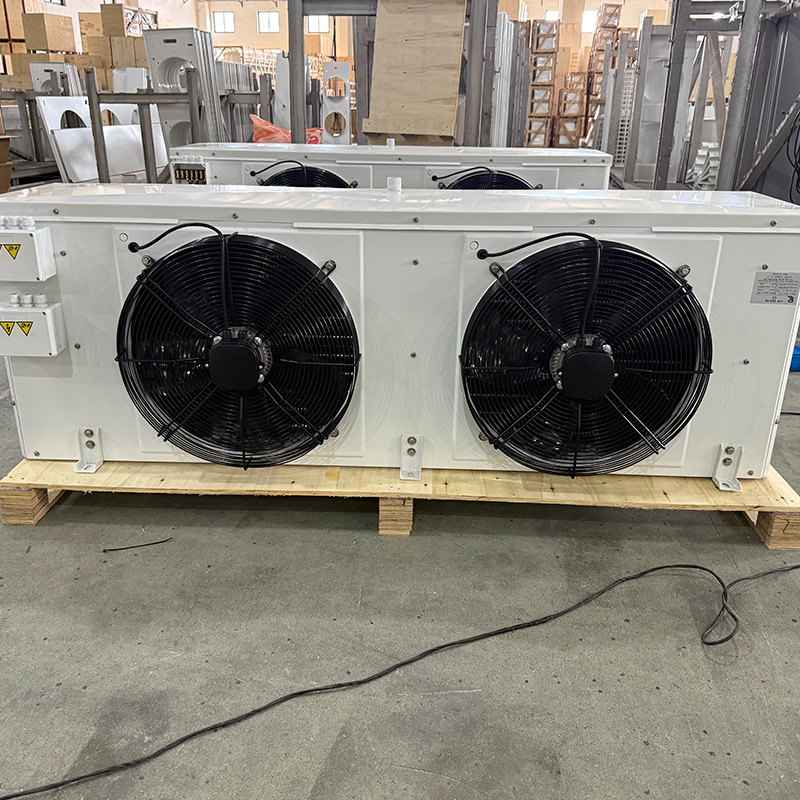
Key specifications to evaluate when selecting a walk-in cooler evaporator coil include:
Material: Copper and aluminum are commonly used materials. Copper offers excellent thermal conductivity, while aluminum is lightweight and corrosion-resistant. The choice will depend on the operating environment and cost considerations.
Dimensions: The coil's size must fit the designated space within the cooler while providing adequate surface area for effective heat exchange. Incorrect dimensions can lead to inefficient cooling or installation issues.
Fin Configuration: The design of the fins impacts airflow and heat transfer efficiency. More fins per inch can enhance performance but may increase resistance to airflow, necessitating a balance based on specific application needs.
Capacity Rating: This indicates the cooling capacity of the coil, typically measured in BTUs. Ensure that the coil can handle the thermal load of the walk-in cooler to maintain the desired temperature effectively.
Pressure Rating: Coils must be rated to withstand the pressure of the refrigerant type used in your system. Buyers should ensure that their selection meets this requirement for safe operation.
Understanding these specifications helps buyers select an evaporator coil that not only fits their operational needs but also offers durability and efficiency.
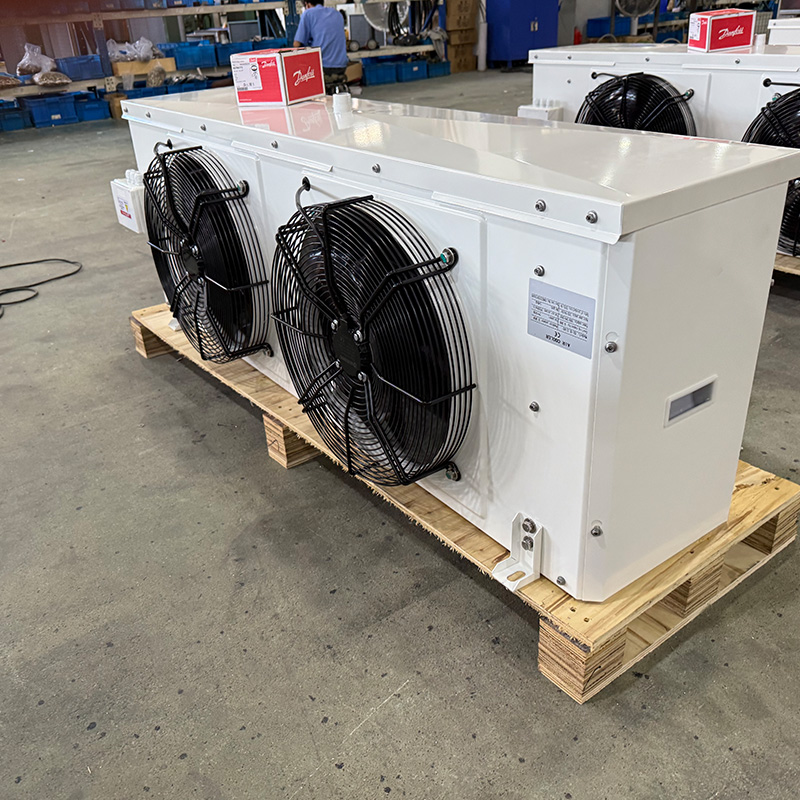
Quality control is paramount in the manufacturing of walk-in cooler evaporator coils. At Shanghai EMTH, a rigorous quality assurance process is implemented to ensure that each coil meets industry standards and customer specifications.
Key aspects of the quality control process include:
Material Inspection: Incoming materials are thoroughly inspected for quality and compliance with specifications. This step is critical to avoid issues during production and ensure longevity in the field.
Manufacturing Standards: Adherence to established manufacturing protocols is essential. Each coil undergoes processes such as welding, assembly, and surface treatment under strict supervision.
Testing Procedures: Finished coils are subjected to pressure tests and performance evaluations to ensure they meet specified cooling capacities and operational efficiency. Testing under simulated operational conditions can reveal potential failures before the product reaches the customer.
Final Inspection: A comprehensive final review checks dimensions, finishes, and overall quality. Documentation of inspection results provides transparency and helps maintain trust with buyers.
By understanding the quality control measures in place, buyers can have confidence in the reliability and performance of the evaporator coils they purchase.
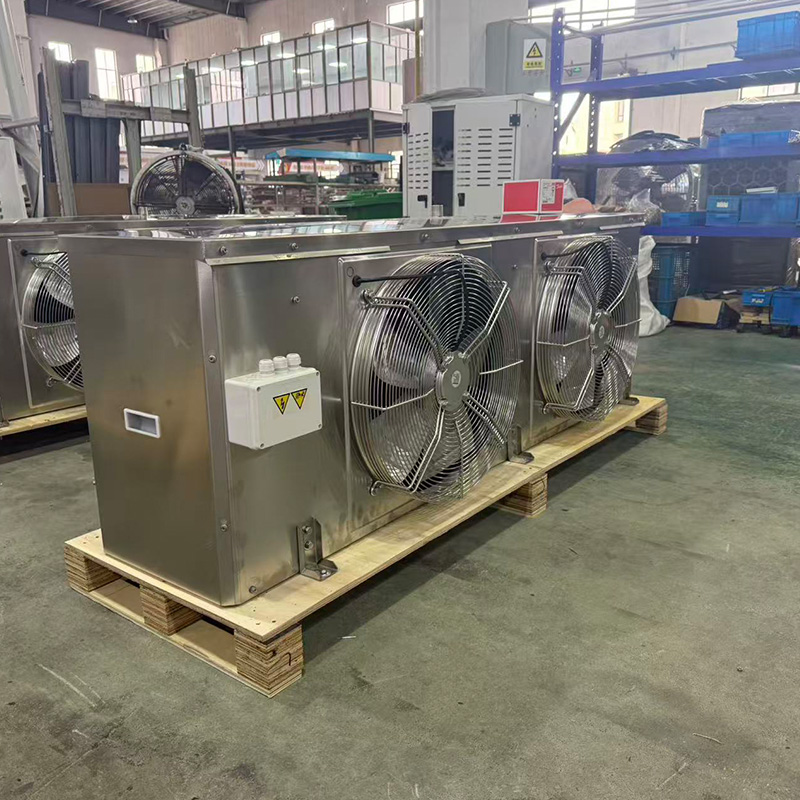
Proper installation is key to maximizing the performance of walk-in cooler evaporator coils. Here are essential guidelines to ensure effective installation:
Follow Manufacturer Instructions: Always refer to the installation manual provided by the manufacturer. This document contains valuable information specific to the coil model, including mounting instructions and refrigeration line connections.
Positioning: Ensure the coil is installed in a location that allows for adequate airflow. Improper positioning can lead to hot spots and inefficient cooling, compromising the overall performance of the walk-in cooler.
Refrigerant Line Connections: Pay attention to the correct routing and insulation of refrigerant lines. Leaks or improper connections can lead to performance issues and increased operational costs.
Electrical Connections: Ensure that any electrical components associated with the evaporator coil are properly connected and compliant with local regulations.
Testing After Installation: After installation, conduct a performance test to ensure the system operates as expected. Check for unusual noises, vibrations, or temperature fluctuations that may indicate installation issues.
Following these installation guidelines will help buyers ensure that their walk-in cooler evaporator coils function optimally, leading to improved efficiency and longevity. Additionally, consider integrating components like the Control Box or Compressor for enhanced system performance.
A modern plant of over 40000 square meters is in place to meet the majority Ice maker for under counter demands for production.
EMTH EMTH has a track record in the field with over 3,000+ happy customers.
Complete service program, from formulating of plans, production of Cold room as well as project landing until after-sales service, there are specific docking.
More than 20 years of' experience and an experienced R&D EMTH team.

Welcome to EMTH, a cold storage refrigeration equipment specialist in China! We offer innovative and effective cold storage solutions, including cold storage, evaporator, condensing unit and ice machine.
Room 304-305B, Building 5, BESHINE B.P, No. 559Zhuyuan Road, Minhang District 201112, Shanghai, China
Copyright © Shanghai EMTH Import & Export Co., Ltd. All Rights Reserved. - Privacy Policy
 EN
 AR
 BG
 HR
 CS
 DA
 NL
 FI
 FR
 DE
 EL
 IT
 JA
 KO
 NO
 PL
 PT
 RO
 RU
 ES
 TL
 IW
 ID
 LT
 SR
 VI
 HU
 TH
 MS
 AZ
 JW
 LO
 MN
 SO
 MY
 KK
 TG
 UZ
 GD
 XH