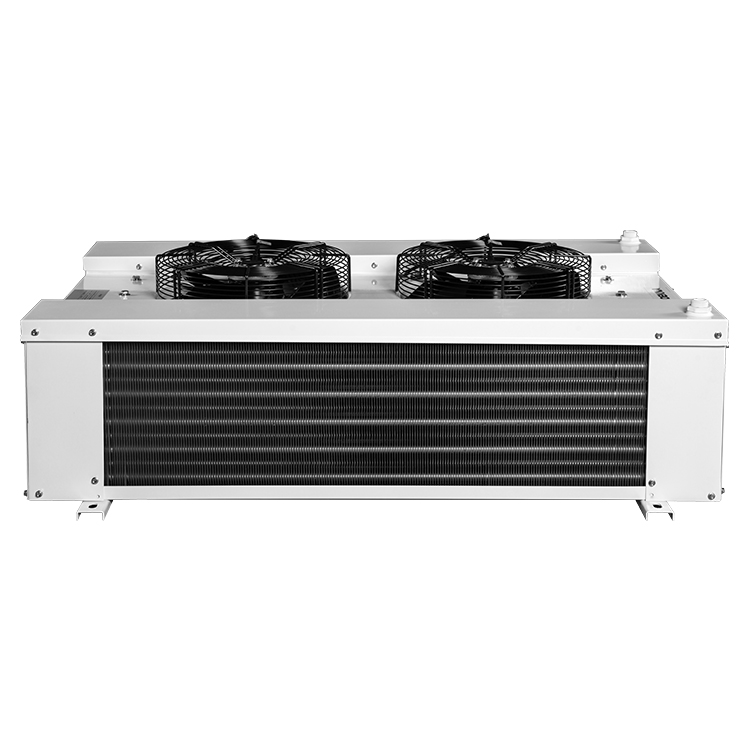
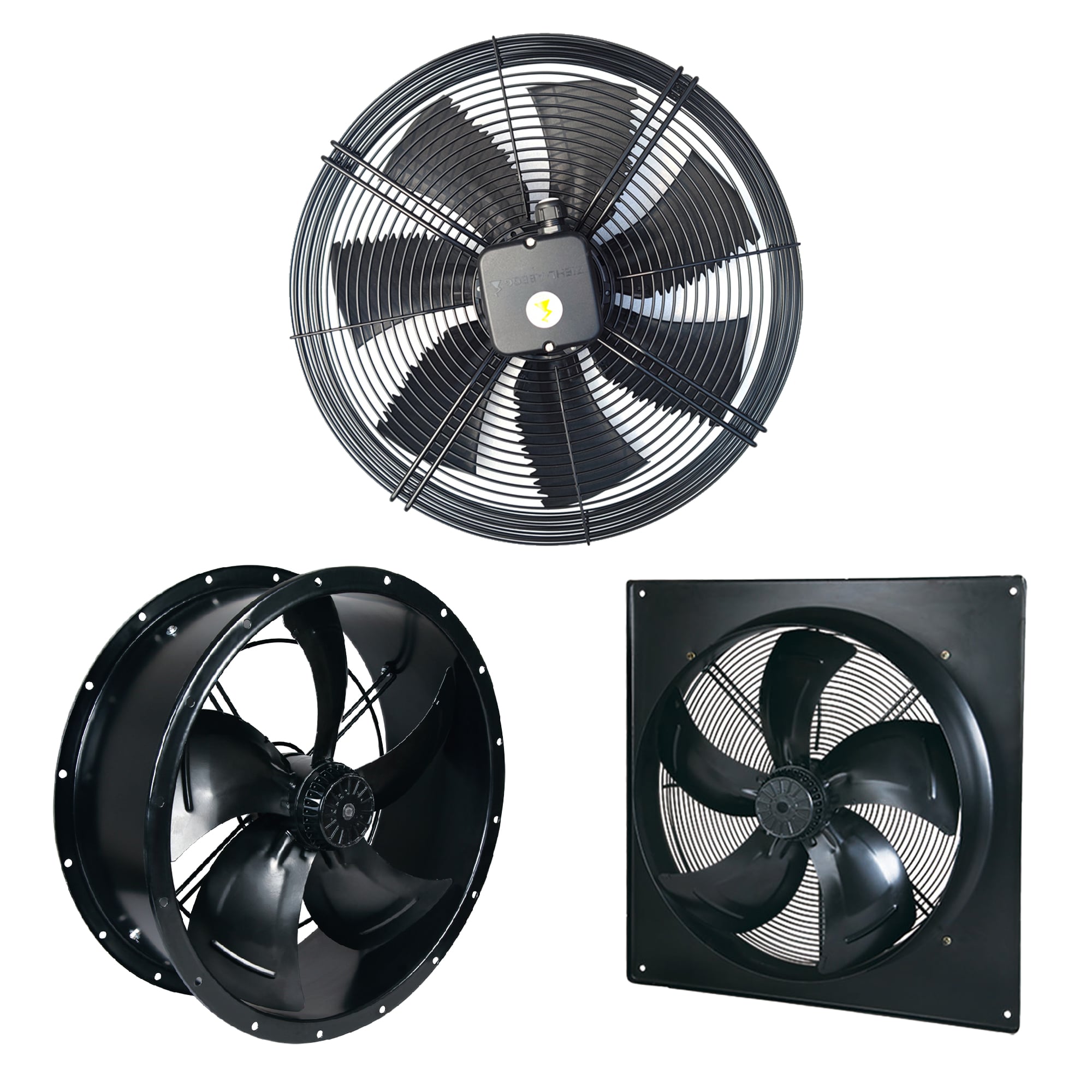
Blast freezer condensing units are essential components in the refrigeration industry, designed to efficiently reduce the temperature of products in a short time. Understanding their specifications, operation, and supplier options is crucial for B2B buyers who want to enhance their cold storage capabilities. This article will provide insights into selecting the right blast freezer condensing unit, understanding its specifications, identifying reliable suppliers, troubleshooting common problems, and comparing different units to meet specific needs.
Selecting the right blast freezer condensing unit involves considering several key factors, including the application requirements, cooling capacity, and environmental conditions. The primary concern for B2B buyers is ensuring that the unit can handle the specific load requirements of their operations, whether it's for food processing, pharmaceuticals, or other industries that require rapid freezing.
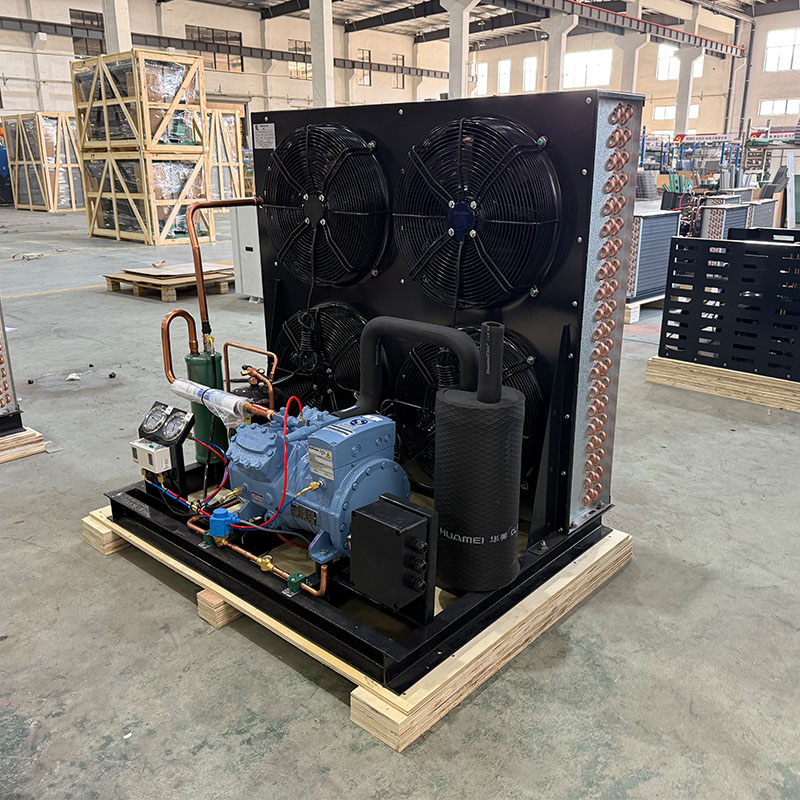
Cooling capacity is typically measured in BTUs (British Thermal Units) or kilowatts. It is vital to calculate the necessary cooling load based on the volume of products being frozen and the desired temperature drop. Additionally, buyers should consider the installation space, as the dimensions and layout of the condensing unit can impact its efficiency and compatibility with existing refrigeration systems. For instance, units like the Condensing unit are designed to fit various operational layouts.
Another factor to consider is energy efficiency. Look for units that are designed with energy-saving technologies, as they can significantly reduce operational costs over time. It's also important to assess the unit's durability and maintenance requirements, as these aspects can affect long-term performance and reliability. Units equipped with components like the Solenoid Valve can enhance efficiency by optimizing refrigerant flow.
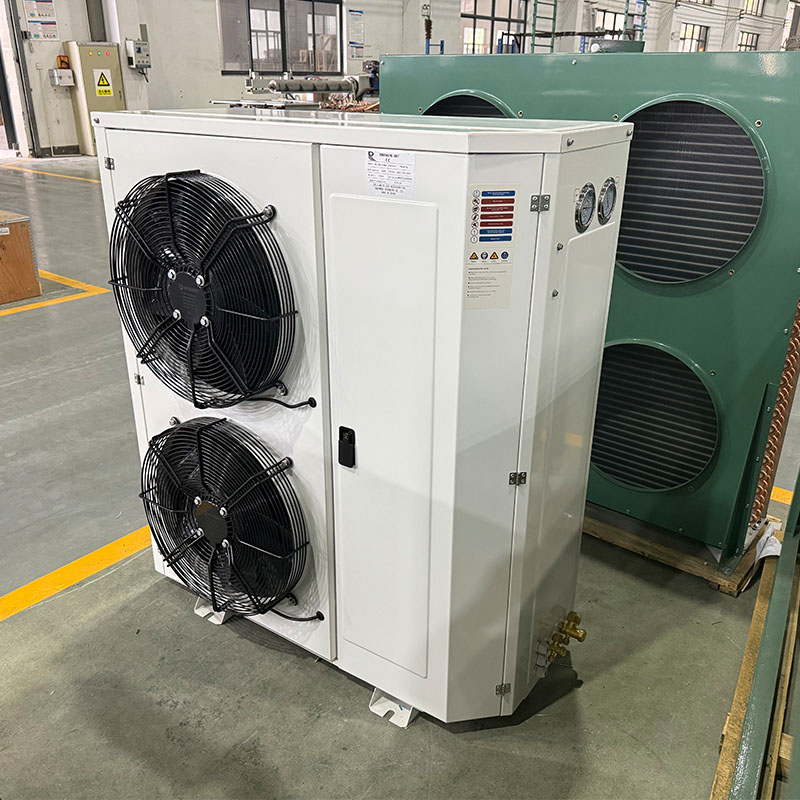
When evaluating blast freezer condensing units, several specifications should be closely examined:
Cooling Capacity: As mentioned, this is crucial for determining if the unit can meet operational demands. Ensure the capacity aligns with the volume and type of products being processed.
Refrigerant Type: Different refrigerants have varying environmental impacts and efficiencies. Common types include R404A and R507A, each with unique properties affecting performance and compliance with regulations.
Temperature Range: Confirm the operational temperature range of the unit. This ensures that it can achieve the required freezing temperatures for your specific applications.
Compressor Type: The type of compressor (reciprocating, scroll, or screw) can affect efficiency and noise levels. Each has its advantages, so it’s important to choose based on the application context.
Construction Materials: The materials used in the construction of the unit can impact its durability and resistance to corrosion. Stainless steel is often preferred for its longevity and ease of cleaning.
Energy Efficiency Ratings: Look for units with high energy efficiency ratings (EER or COP) to minimize operational costs and environmental impact.
Understanding these specifications can help buyers make informed decisions and avoid issues related to performance and efficiency.
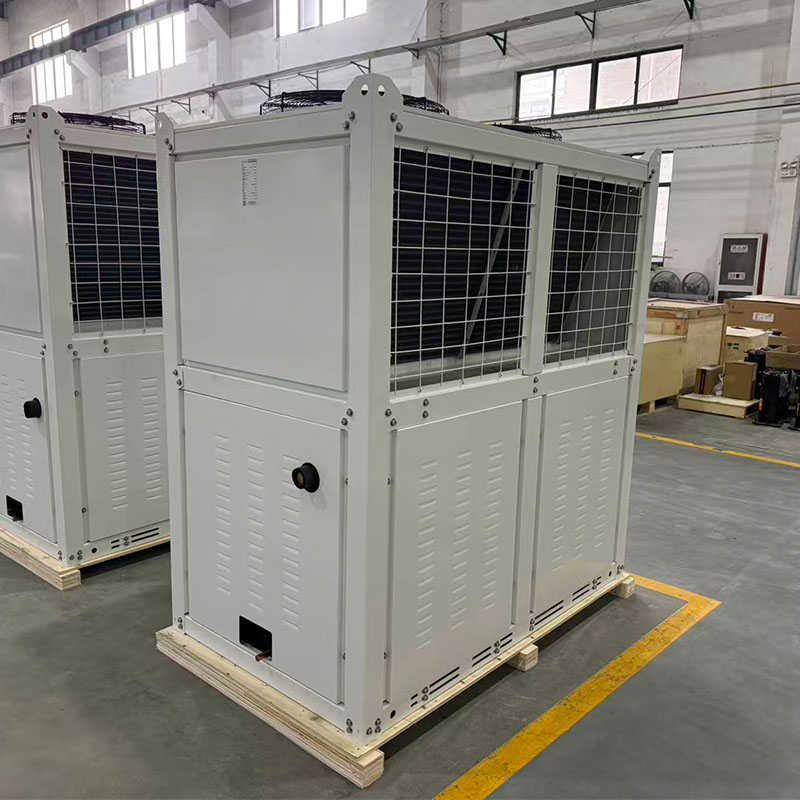
Finding a reliable supplier is crucial for businesses looking to purchase blast freezer condensing units in bulk. Here are some tips for evaluating potential suppliers:
Experience and Reputation: Choose suppliers with a proven track record in the refrigeration industry. Established companies, like Shanghai EMTH, typically have extensive experience and can offer a range of products tailored to different needs.
Quality Assurance: Look for suppliers that implement rigorous quality control processes. This includes testing units for efficiency and reliability before shipment.
Customization Options: Some suppliers may offer customization capabilities to meet specific operational requirements. This can include modifications to cooling capacity, dimensions, or additional features.
After-Sales Support: Reliable suppliers should provide robust after-sales support, including installation assistance, maintenance guidance, and troubleshooting help.
Certification and Compliance: Ensure that the supplier's products comply with industry standards and regulations, which can vary by region.
Reviews and Case Studies: Evaluate feedback from other customers and review case studies that illustrate the supplier's ability to deliver on promises.
Choosing the right supplier can significantly influence the performance and reliability of blast freezer condensing units, ensuring a successful implementation in your operations.
Even the best blast freezer condensing units can encounter issues. Here are some common problems and their solutions:
Insufficient Cooling: If the unit fails to maintain the desired temperature, check for issues with the compressor, refrigerant levels, or airflow. Ensure that there are no blockages in the air ducts and that the evaporator is clean.
High Energy Consumption: Increased energy usage may indicate a need for maintenance or repair. Regularly check the condenser coils for dirt and debris, and ensure that the unit is not working harder than necessary due to poor insulation in the cold room.
Frequent Cycling: If the unit cycles on and off frequently, it could be a sign of an oversized unit or issues with the thermostat. Assess the cooling load calculations and thermostat settings to ensure they are appropriately calibrated.
Noise Issues: Excessive noise can indicate mechanical problems, such as worn bearings or loose components. Regular maintenance can help identify these issues early to avoid costly repairs.
Frost Build-Up: Frost accumulation can hinder performance. Verify that the defrost cycle is functioning correctly and that the ambient conditions are suitable for operation.
Addressing these common issues proactively can enhance the lifespan of blast freezer condensing units and maintain their efficiency.
Over 20 years of experience, we have the complete sales and after-sales systems with more than 20 patents and a professional R&D EMTH team.
Special docking is offered for a complete service. This includes the design of Commercial ice maker, production installation, landing projects, and after-sales support.
A modern factory space that covers more than 40000 square meters, it is able to meet the vast majority of the EMTH production requirements.
EMTH EMTH has a solid track record in the field, with over 3,000+ happy customers.

Welcome to EMTH, a cold storage refrigeration equipment specialist in China! We offer innovative and effective cold storage solutions, including cold storage, evaporator, condensing unit and ice machine.
Room 304-305B, Building 5, BESHINE B.P, No. 559Zhuyuan Road, Minhang District 201112, Shanghai, China
Copyright © Shanghai EMTH Import & Export Co., Ltd. All Rights Reserved. - Privacy Policy
 EN
 AR
 BG
 HR
 CS
 DA
 NL
 FI
 FR
 DE
 EL
 IT
 JA
 KO
 NO
 PL
 PT
 RO
 RU
 ES
 TL
 IW
 ID
 LT
 SR
 VI
 HU
 TH
 MS
 AZ
 JW
 LO
 MN
 SO
 MY
 KK
 TG
 UZ
 GD
 XH