Angled evaporators are crucial components in refrigeration systems, designed to enhance the efficiency of heat exchange processes. As a B2B buyer, understanding the technical specifications and applications of angled evaporators is essential for making informed purchasing decisions. This article will guide you through the key considerations when selecting an angled evaporator, including specifications, applications, and quality control measures, helping you ensure that your choice aligns with your operational needs and standards.
Selecting the right angled evaporator for your project requires a comprehensive understanding of your specific refrigeration needs. Start by assessing the cooling capacity required for your application, which is often measured in BTUs or tons. Consider the temperature range your system will operate within, as this will influence the evaporator's design and materials.
Next, evaluate the installation space and dimensions. An angled evaporator must fit within the physical constraints of your facility, ensuring proper airflow and maintenance access. Additionally, consider the connection type; compatibility with existing refrigeration systems is crucial for seamless integration. For example, you might consider using a YH Type Condenser for optimal performance.
Customizations may also be necessary to meet specific operational needs. Discuss potential modifications with manufacturers, such as changes in size, material, or configuration. Engaging with suppliers early on can provide insights into available options and their implications on performance and pricing.
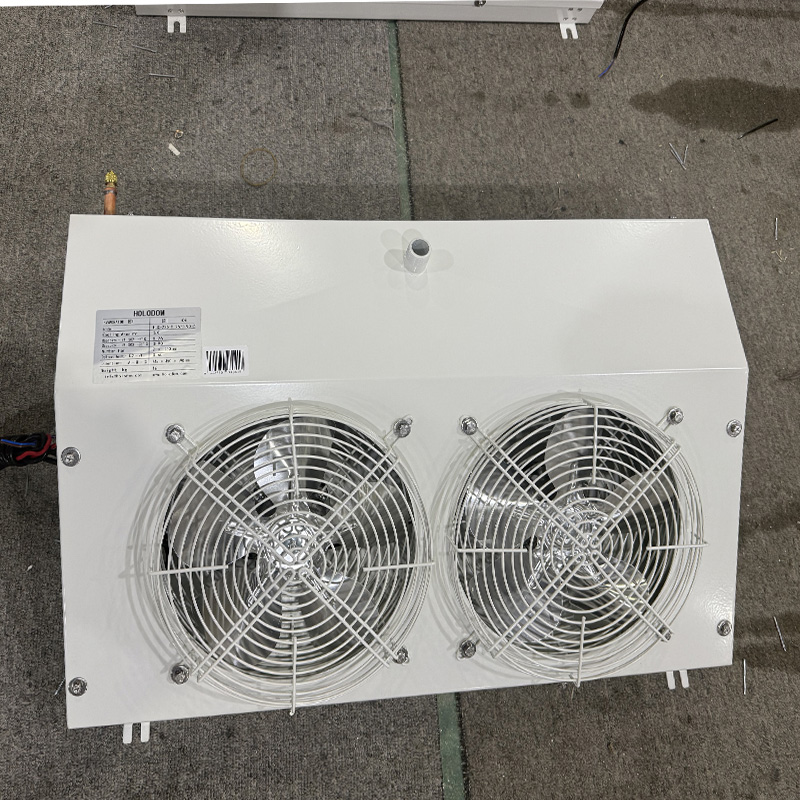
When assessing angled evaporators, several key specifications should be prioritized:
Material Composition: The choice of material affects durability, corrosion resistance, and thermal conductivity. Common materials include aluminum, stainless steel, and galvanized steel. Evaluate the environmental conditions the evaporator will face, such as exposure to moisture or chemicals.
Fin Design and Surface Area: The fin design impacts heat exchange efficiency. Look for evaporators with optimized fin configurations that increase surface area without adding excessive weight or obstructing airflow.
Airflow Rate: Ensure the evaporator can handle the required airflow rate for your application. An inadequate airflow can lead to insufficient cooling and potential system failure.
Pressure Drop: A lower pressure drop across the evaporator means less energy consumption and improved efficiency. Manufacturers should provide performance data to help evaluate this parameter.
Dimensions and Capacity: Confirm that the dimensions align with your layout and that the cooling capacity matches your needs. This ensures optimal performance and energy efficiency.
By understanding these specifications, you can make a more informed decision that aligns with your operational requirements.
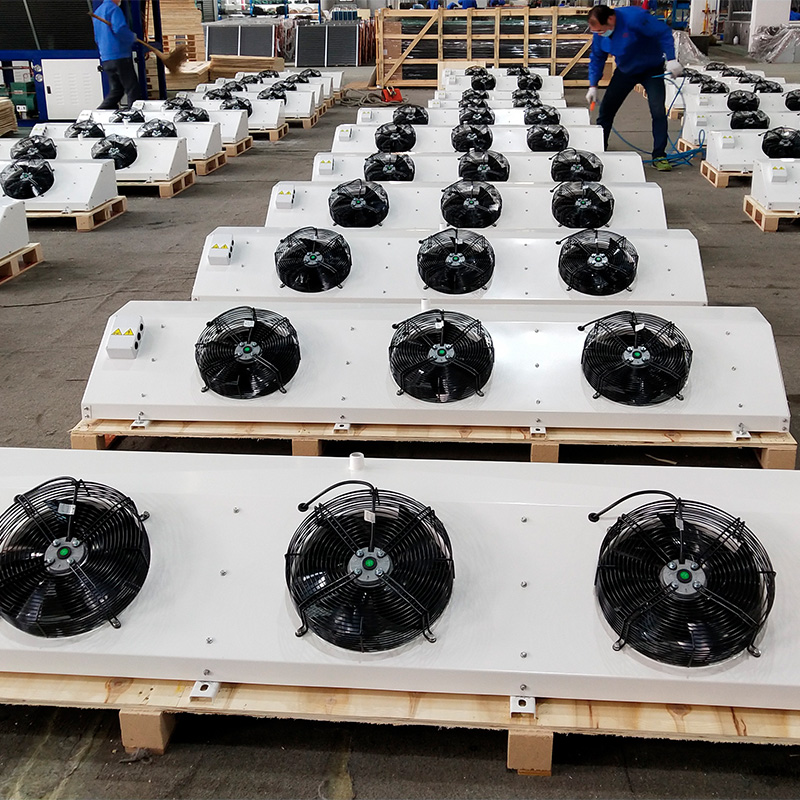
Angled evaporators are widely used across various industries, serving distinct functions tailored to specific refrigeration needs. In food processing and storage, for instance, they help maintain consistent temperatures in cold rooms and storage facilities, ensuring product quality and compliance with safety standards. You might also consider the Cold Room solutions for enhanced efficiency.
In the chemical industry, angled evaporators are employed in processes requiring precise temperature control to prevent reactions from becoming exothermic. Their design allows for efficient heat absorption while minimizing the risk of equipment failure.
Additionally, HVAC systems incorporate angled evaporators for air conditioning applications, where they facilitate efficient cooling in commercial buildings. Understanding the specific application can guide buyers in selecting the right features and configurations to enhance performance.
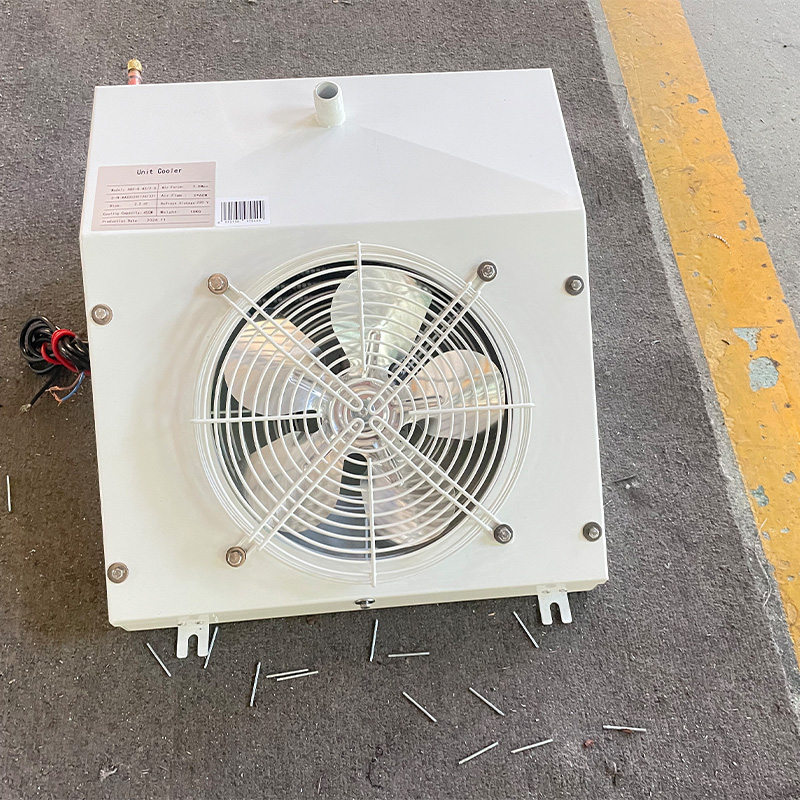
Quality control is paramount in the manufacturing of angled evaporators, as even minor defects can lead to significant operational issues. Key measures include:
Material Inspection: Raw materials should undergo rigorous testing for quality and compliance with industry standards. This includes checking for defects, corrosion resistance, and thermal properties.
Dimensional Accuracy: Manufacturers should utilize precision measurement tools to ensure all components meet specified tolerances. Regular calibration of equipment is necessary to maintain accuracy.
Performance Testing: Before shipment, each unit should be tested under simulated operating conditions to verify cooling capacity, airflow rates, and pressure drops. This provides assurance that the evaporator will perform as expected in real-world applications.
Certification Compliance: Ensure that the manufacturer adheres to relevant industry certifications and standards, which can serve as a benchmark for quality assurance.
By prioritizing these quality control measures, buyers can mitigate risks associated with equipment failure and ensure reliable performance.
A modern factory of over 40000 square meters is in place to meet the majority of the EMTH production needs.
Special docking is offered for a complete service. This includes the design of Commercial ice maker, production installation, landing projects, and after-sales support.
More than 20 years of' experience and an experienced R&D EMTH team.
With a strong reputation in the field and over 3,000+ customers served, EMTH EMTH is a trustworthy known and dependable supplier that has been acknowledged by other clients.

Welcome to EMTH, a cold storage refrigeration equipment specialist in China! We offer innovative and effective cold storage solutions, including cold storage, evaporator, condensing unit and ice machine.
Room 304-305B, Building 5, BESHINE B.P, No. 559Zhuyuan Road, Minhang District 201112, Shanghai, China
Copyright © Shanghai EMTH Import & Export Co., Ltd. All Rights Reserved. - Privacy Policy
 EN
 AR
 BG
 HR
 CS
 DA
 NL
 FI
 FR
 DE
 EL
 IT
 JA
 KO
 NO
 PL
 PT
 RO
 RU
 ES
 TL
 IW
 ID
 LT
 SR
 VI
 HU
 TH
 MS
 AZ
 JW
 LO
 MN
 SO
 MY
 KK
 TG
 UZ
 GD
 XH