Air cooled chiller condensers are essential components in various industries, providing efficient heat rejection for refrigeration and air conditioning systems. With a growing emphasis on energy efficiency and sustainability, selecting the right air cooled chiller condenser is crucial for purchasing managers and engineers alike. This article will guide you through the key factors to consider when evaluating air cooled chiller condensers, ensuring you make an informed decision tailored to your project's specific requirements.
Selecting the appropriate air cooled chiller condenser involves understanding your specific application needs. Consider factors such as the condenser's cooling capacity, ambient temperature range, and operational efficiency. The cooling capacity should match your system's requirements to avoid underperformance or excessive energy consumption. Additionally, assess the operating environment; for example, harsh conditions may necessitate a more robust design. For instance, choosing a YH Type Condenser can enhance performance in demanding conditions.
Compatibility is another critical consideration. Ensure that the condenser integrates seamlessly with your existing chiller or HVAC system. This may include verifying that the condenser's dimensions, connection types, and refrigerant compatibility align with your current setup. Finally, consider customization options if your application has unique requirements, such as specific mounting configurations or additional features like noise reduction.
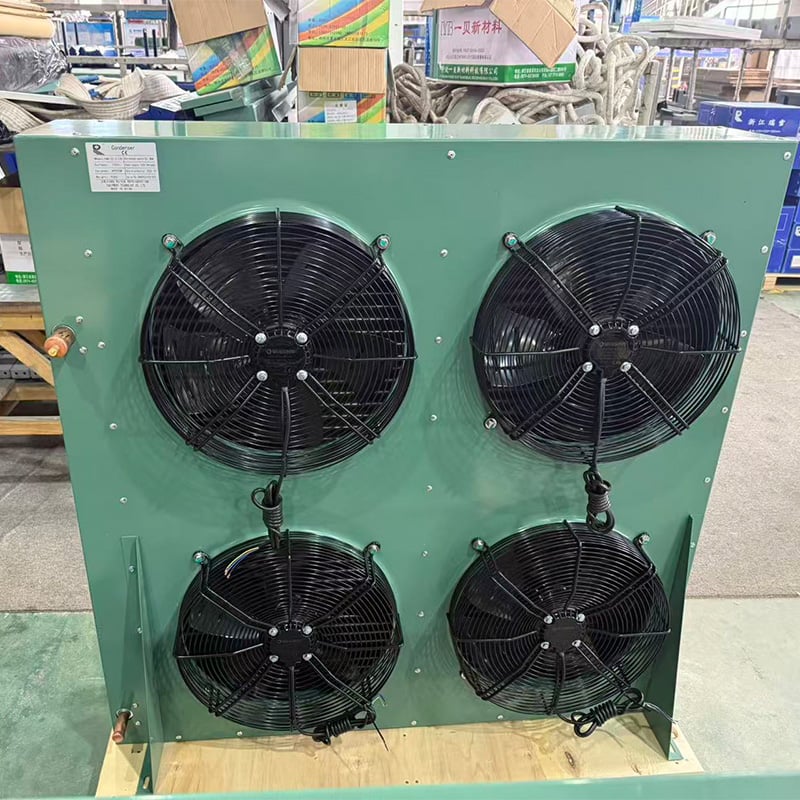
When evaluating air cooled chiller condensers, several key specifications warrant attention:
Cooling Capacity: Measured in tons or kilowatts, this defines the condenser's ability to reject heat. It should align with the total heat load of your system.
Energy Efficiency Ratio (EER): This ratio indicates how efficiently the condenser operates under specific conditions. A higher EER translates to lower operational costs and energy consumption.
Fan Type and Size: The fan's design affects airflow efficiency and noise levels. Larger, more efficient fans can enhance cooling performance while minimizing sound output.
Material Construction: Common materials include aluminum and copper, with aluminum offering better corrosion resistance. Ensure that the selected material suits your operational environment.
Operating Temperature Range: Confirm that the condenser can operate effectively within your facility's temperature limits, factoring in peak and off-peak conditions.
Noise Levels: For applications in noise-sensitive environments, check the decibel rating of the condenser to ensure compliance with local regulations and comfort standards.
Understanding these specifications will help you make a more informed choice, ensuring that the selected air cooled chiller condenser meets both performance and operational expectations.
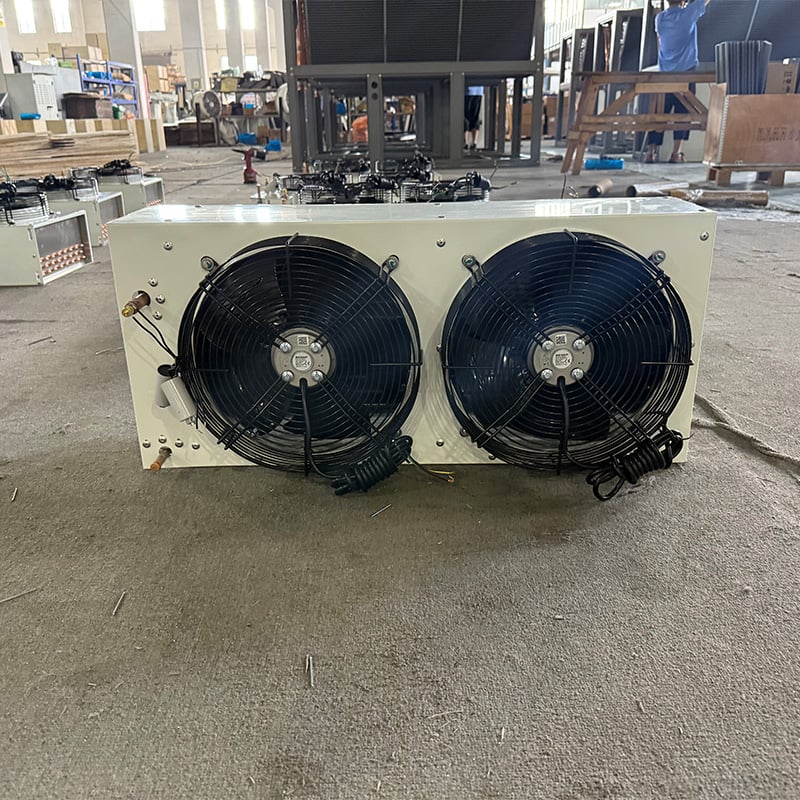
Quality control is paramount in the manufacturing of air cooled chiller condensers. A rigorous quality assurance process ensures that each unit meets industry standards and customer specifications. This typically involves several stages, including:
Material Inspection: All raw materials should be inspected for quality and compliance with specified standards before production begins. This avoids issues related to material defects that could compromise performance.
In-Process Testing: Throughout the manufacturing process, components should undergo testing to ensure they meet design specifications. This can include dimensional checks, pressure tests, and performance evaluations.
Final Inspection: Before shipment, each finished condenser must undergo a comprehensive quality check. This includes verifying functionality, visual inspections for defects, and ensuring all specifications are met.
Certification and Compliance: Depending on the intended market, ensure that the manufacturer adheres to relevant certifications and regulatory standards.
By understanding the quality control processes, buyers can better assess potential suppliers and the reliability of their products, ultimately ensuring a successful long-term investment.
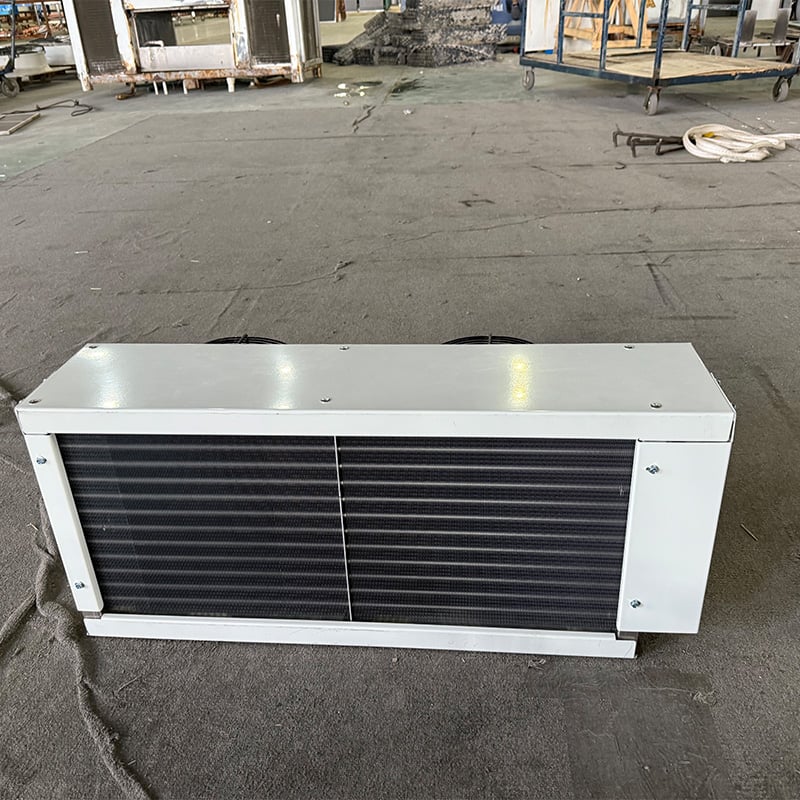
Proper installation is crucial for the optimal performance of air cooled chiller condensers. Here are key considerations to ensure effective setup:
Location: Choose an installation site that allows for sufficient airflow around the condenser. Avoid placing it in enclosed spaces or areas with obstructions that could restrict airflow, leading to decreased efficiency.
Mounting: Secure the condenser on a stable base or platform to minimize vibration and noise. Ensure that any mounting brackets or supports are compatible with the specific model to prevent damage.
Connections: Verify that all refrigerant and electrical connections are correctly installed and leak-free. This is essential for safety and performance.
Testing: After installation, conduct thorough testing to confirm that the system operates as intended. Check for leaks, ensure proper airflow, and verify that temperature readings align with expected performance. Additionally, using components such as the Refrigerator spare parts compressors can improve overall system reliability.
By following these installation guidelines, you can enhance the longevity and efficiency of your air cooled chiller condenser.
Over 20 years of experience, we have the complete sales and after-sales systems with more than 20 patents and a professional R&D EMTH team.
With a strong reputation in the field and over 3,000+ customers served, EMTH EMTH is a trustworthy known and dependable supplier that has been acknowledged by other clients.
Special docking is offered for a complete service. This includes the design of Coldrooms, production installation, landing projects, and after-sales support.
A modern factory of over 40000 square meters is in place to meet the majority of the EMTH production needs.

Welcome to EMTH, a cold storage refrigeration equipment specialist in China! We offer innovative and effective cold storage solutions, including cold storage, evaporator, condensing unit and ice machine.
Room 304-305B, Building 5, BESHINE B.P, No. 559Zhuyuan Road, Minhang District 201112, Shanghai, China
Copyright © Shanghai EMTH Import & Export Co., Ltd. All Rights Reserved. - Privacy Policy
 EN
 AR
 BG
 HR
 CS
 DA
 NL
 FI
 FR
 DE
 EL
 IT
 JA
 KO
 NO
 PL
 PT
 RO
 RU
 ES
 TL
 IW
 ID
 LT
 SR
 VI
 HU
 TH
 MS
 AZ
 JW
 LO
 MN
 SO
 MY
 KK
 TG
 UZ
 GD
 XH