Choosing the right R449A unit condenser is crucial for businesses that rely on efficient refrigeration systems. These condensers play a vital role in heat exchange processes, affecting overall performance and energy consumption. As a purchasing manager, distributor, or engineer, you may have various concerns, such as product specifications, quality, and cost-effectiveness. This article will guide you through the essential considerations in selecting R449A unit condensers, helping you make informed purchasing decisions for your business needs.
When selecting an R449A unit condenser, consider the specific requirements of your refrigeration system. Key factors include the condenser's capacity, physical dimensions, and compatibility with your existing equipment. The cooling capacity should align with your operational needs—too small may lead to inefficiency, while too large can waste energy.
Material selection is also critical. Common materials for R449A unit condensers include aluminum and copper due to their excellent thermal conductivity and corrosion resistance. Evaluate the environmental conditions of your application; for example, if your system will operate in high humidity, opting for corrosion-resistant materials is advisable.
Additionally, assess the design and structure of the unit. A well-designed condenser will feature efficient airflow and compact dimensions, allowing for easy installation and maintenance. Look for models that offer customizable features to meet your operational requirements. Models such as the Condensing Unit can provide excellent options for your setup.
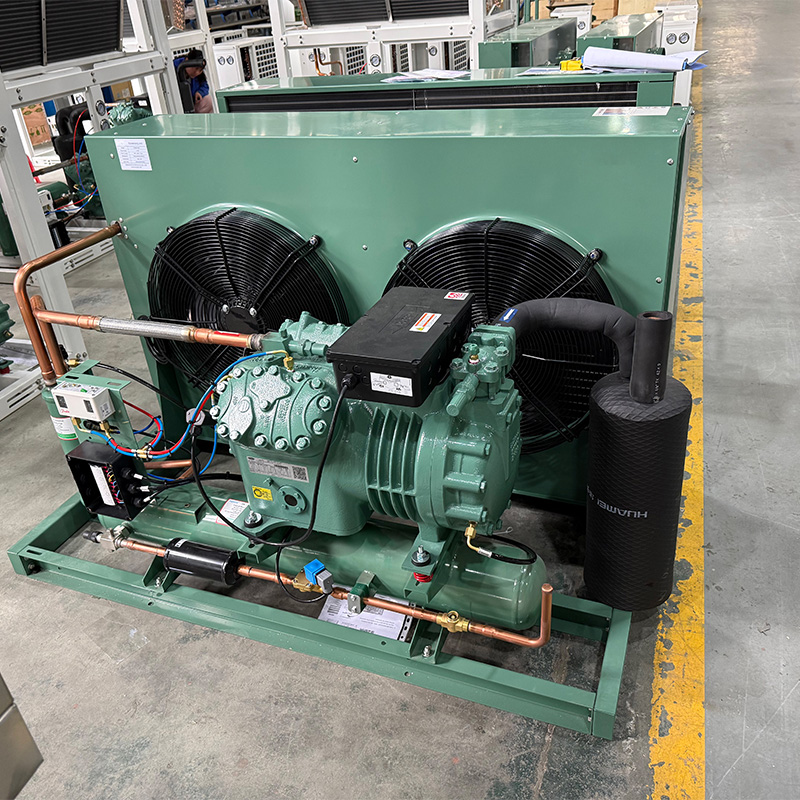
Evaluating the quality of R449A unit condensers involves a thorough inspection of the manufacturing process and material specifications. First, request detailed product data sheets that outline the materials used, dimensions, and performance ratings. Pay attention to certifications that indicate compliance with industry standards and regulations, such as CE or ISO certifications, as these can be indicators of quality.
Quality control processes should also be scrutinized. A reputable manufacturer will have rigorous testing protocols in place to ensure that each unit meets performance specifications. Look for manufacturers that provide test reports for pressure, leak, and temperature performance.
In addition, consider the manufacturer's experience and reputation in the industry. A company with over 20 years of experience, such as Shanghai EMTH, typically demonstrates a commitment to quality and innovation, reflected in their extensive patent portfolio.
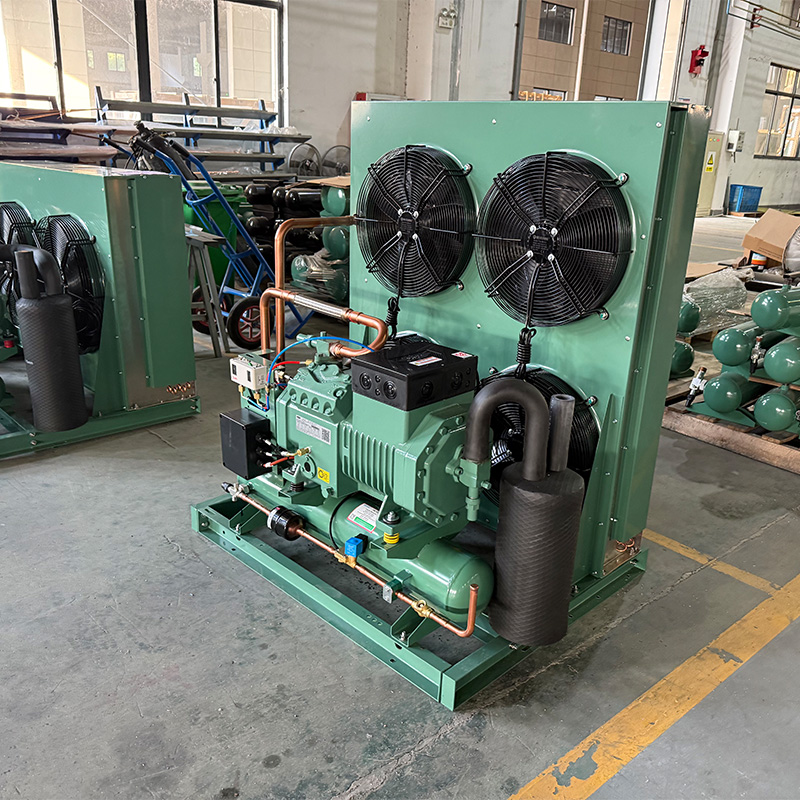
Cost is a significant factor when purchasing R449A unit condensers, but it is essential to understand the various components that contribute to the overall price. First, consider the upfront costs, which include the unit price, shipping fees, and any applicable taxes. However, the total cost of ownership is equally important. This includes energy efficiency and maintenance costs over the condenser's lifespan.
Energy efficiency is particularly crucial. R449A is known for its lower global warming potential compared to traditional refrigerants, but the efficiency of your condenser will significantly impact energy consumption. Look for Energy Star ratings or similar efficiency certifications. Investing in high-quality components like Solenoid Valves can also enhance the overall efficiency of your system.
Additionally, consider the manufacturer's minimum order quantities (MOQ) and lead times, as these can affect your overall budget and project timelines. Sometimes, a higher initial investment in a quality unit can lead to long-term savings through reduced maintenance and lower energy costs.
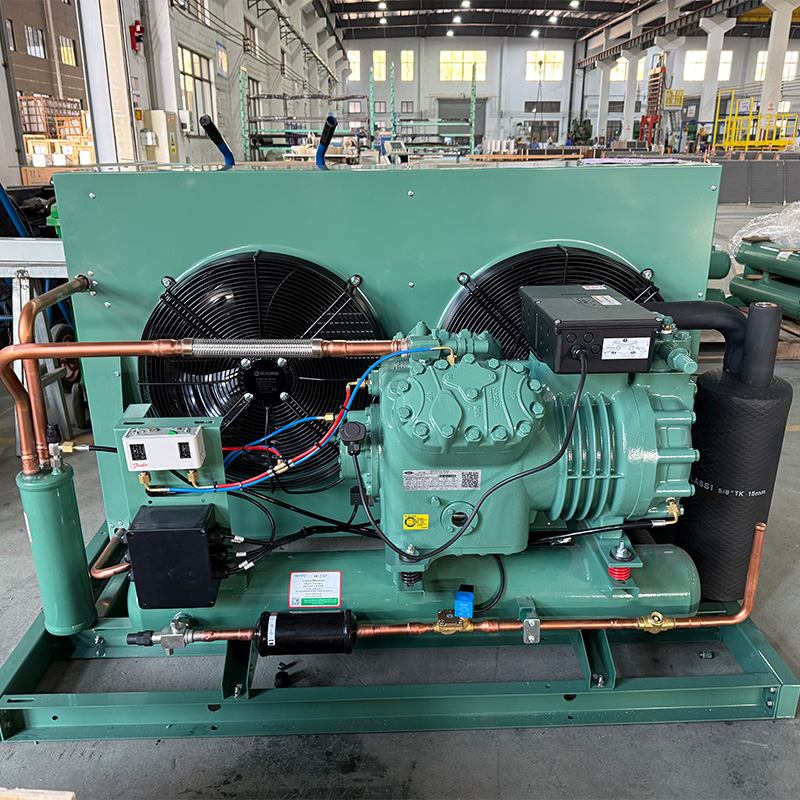
Understanding potential issues with R449A unit condensers can help you prepare for maintenance and minimize downtime. Common problems include refrigerant leaks, inadequate cooling performance, and noise during operation.
Refrigerant leaks can occur due to poor connections or faulty seals. Regular maintenance checks should include inspecting the connections and ensuring that seals are intact. Implementing a proactive leak detection system can also help identify issues before they escalate.
Inadequate cooling performance may stem from improper sizing or airflow obstructions. Ensure that the condenser is correctly sized for your application and that there is sufficient airflow around the unit. Regular cleaning of the condenser fins and coils can also help maintain optimal performance.
Noise issues can arise from mechanical vibrations or airflow restrictions. Consider units with noise-reduction features or consult with the manufacturer about vibration dampening options if noise is a concern for your application.
With a strong reputation in the business and over 3,000+ clients that they have served, EMTH EMTH is a trustworthy, proven supplier that has been acknowledged by other clients.
A modern plant of over 40000 square meters is in place to meet the EMTH majority manufacturing requirements.
Complete service program, from formulating of plans, production of Cold room as well as project landing until after-sales service, there are specific docking.
More than 20 years of of experience and a professional R&D EMTH staff.

Welcome to EMTH, a cold storage refrigeration equipment specialist in China! We offer innovative and effective cold storage solutions, including cold storage, evaporator, condensing unit and ice machine.
Room 304-305B, Building 5, BESHINE B.P, No. 559Zhuyuan Road, Minhang District 201112, Shanghai, China
Copyright © Shanghai EMTH Import & Export Co., Ltd. All Rights Reserved. - Privacy Policy
 EN
 AR
 BG
 HR
 CS
 DA
 NL
 FI
 FR
 DE
 EL
 IT
 JA
 KO
 NO
 PL
 PT
 RO
 RU
 ES
 TL
 IW
 ID
 LT
 SR
 VI
 HU
 TH
 MS
 AZ
 JW
 LO
 MN
 SO
 MY
 KK
 TG
 UZ
 GD
 XH