Understanding the pricing of freezer condensers is crucial for B2B buyers in the refrigeration equipment sector. The freezer condenser price can significantly impact both initial purchasing decisions and long-term operational costs. This article will help purchasing managers, engineers, and product managers navigate the complexities of freezer condenser pricing, quality evaluation, and application suitability. We will explore essential factors to consider, common issues faced, and how to choose the right condenser for your specific project requirements.
When comparing freezer condenser prices, buyers should focus on several key factors that directly influence the overall value of the product. Firstly, consider the specifications such as capacity, efficiency, and the type of refrigerant used. Higher efficiency models may have a higher upfront cost but can lead to significant energy savings over time. Additionally, models like Bitzer Condensing Unit are known for their efficiency and reliability.
Material quality is another critical factor. Condensers made from durable materials like corrosion-resistant aluminum or stainless steel can provide longer service life and reduced maintenance costs. Additionally, buyers should also evaluate the manufacturer’s reputation and their production capabilities. A reputable manufacturer with a strong track record, like Shanghai EMTH, is more likely to provide reliable products backed by solid customer support.
Finally, consider the total cost of ownership, which includes installation, maintenance, and potential energy savings. Understanding these aspects will help you determine if a higher-priced condenser offers better long-term value compared to lower-cost alternatives.
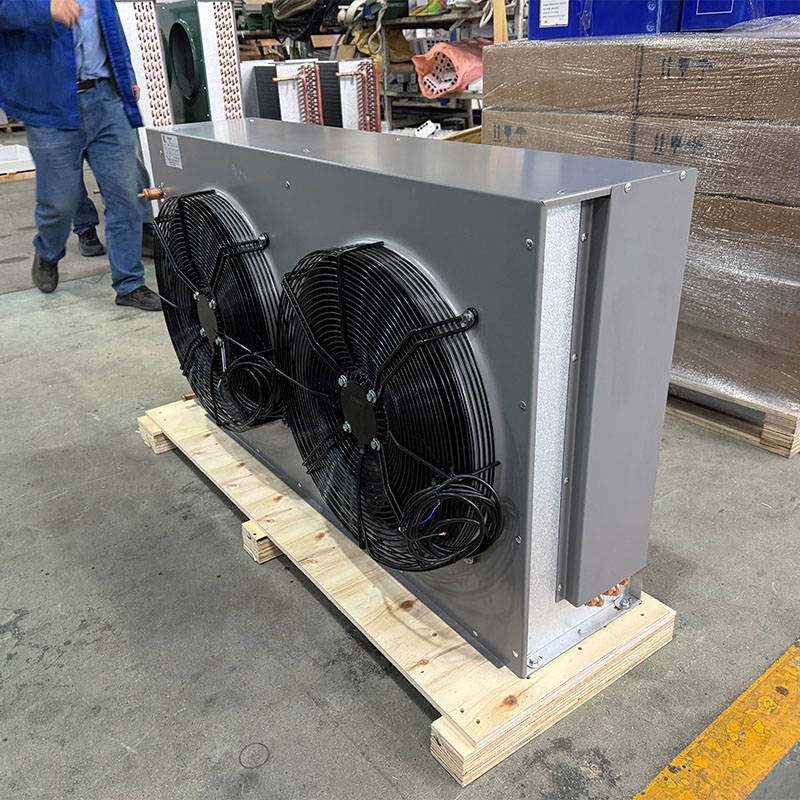
Quality evaluation of freezer condensers involves examining several technical specifications and manufacturing processes. First, assess the condenser's design and construction. Factors such as fin density, tube diameter, and surface area directly affect heat exchange efficiency. A higher surface area generally leads to better heat transfer, thus improving efficiency. It's important to look for condensers that incorporate advanced technologies, such as the H Type Condenser, which can enhance performance.
Next, consider the quality control processes employed by the manufacturer. Established manufacturers like Shanghai EMTH typically have rigorous quality assurance methods in place, which include testing for performance and durability. Inquire about any certifications related to quality management systems, such as ISO standards, which can indicate a commitment to maintaining high manufacturing standards.
Buyers should also request samples or prototypes whenever possible. Testing a sample under actual operating conditions can reveal performance issues that specifications alone may not disclose. This step is essential to ensure the condenser meets your specific operational requirements.
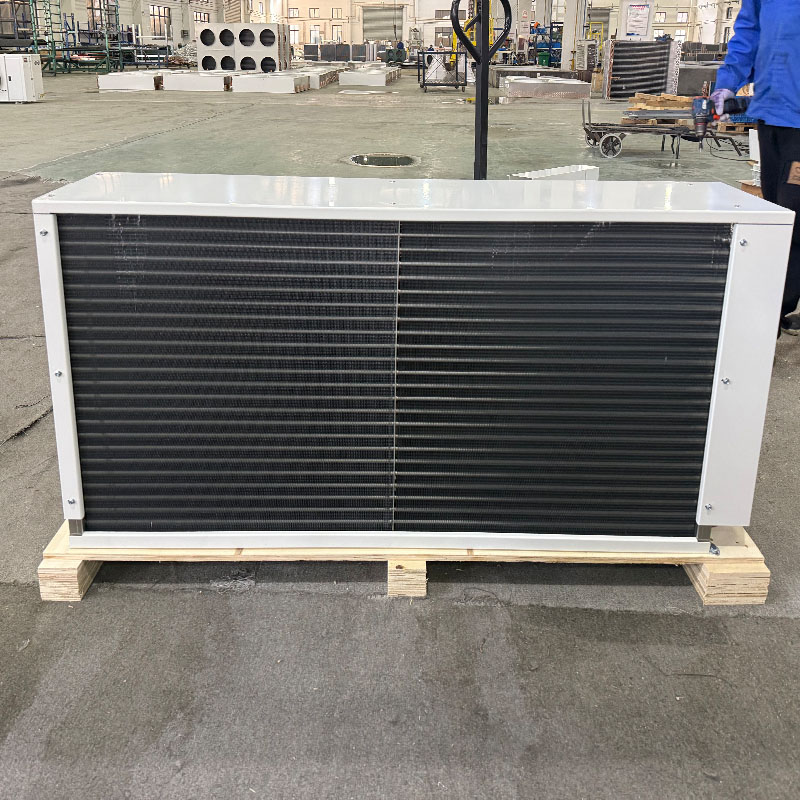
Freezer condensers can encounter several common issues that may affect their performance and longevity. One prevalent problem is inefficient cooling, often caused by dirty or obstructed coils. Regular maintenance, including cleaning the coils and ensuring proper airflow, can mitigate this issue.
Another common challenge is refrigerant leaks, which not only reduce efficiency but can also lead to increased operational costs and environmental concerns. To address this, ensure that all fittings and connections are secure and regularly inspected during maintenance.
Lastly, condenser noise can be an issue in commercial settings. Noise levels can depend on the type of compressor used and the installation setup. Implementing sound-dampening measures or choosing condensers specifically designed for quieter operation can help alleviate this problem.
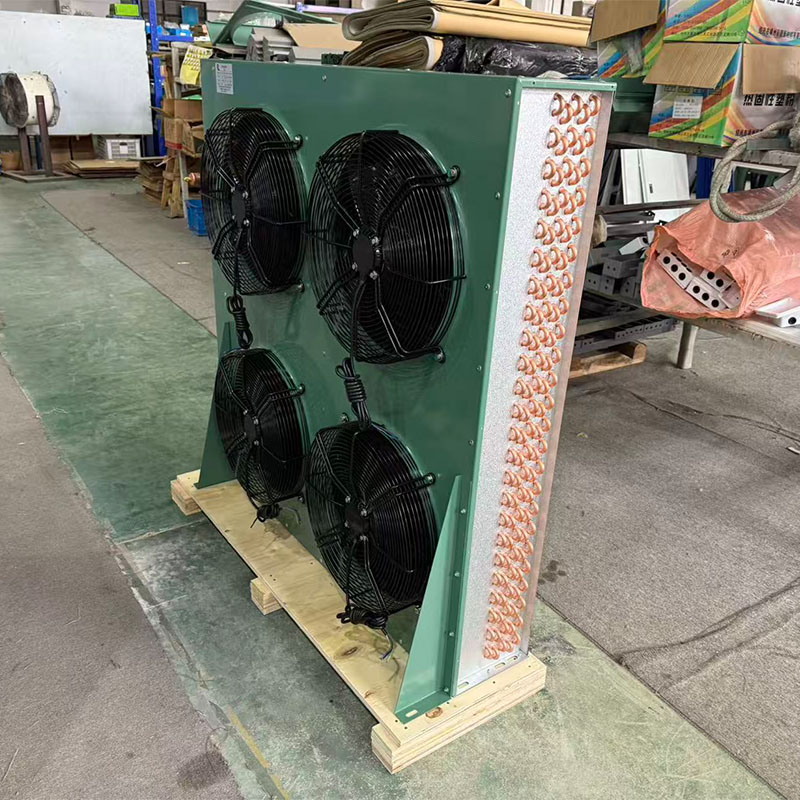
Freezer condensers are versatile components used across a variety of industries. In the food and beverage sector, they are essential for preserving perishable goods by maintaining optimal temperatures. Supermarkets and restaurants rely on high-efficiency condensers to ensure food safety and quality.
In the pharmaceutical industry, precise temperature control is critical for storing vaccines and medications. Here, the reliability and accuracy of freezer condensers are paramount, as fluctuations can compromise product integrity.
Additionally, the cold storage and logistics sectors utilize freezer condensers for shipping temperature-sensitive goods. The ability to maintain consistent cooling during transport is vital for preventing spoilage and ensuring compliance with health regulations.
Understanding the specific application requirements will guide buyers in selecting the right type of condenser that meets the operational demands of their industry. For instance, solutions like the Compressor For Refrigeration Tools And Equipment can be crucial in various applications.
With a good reputation in the industry and more than 3,000 clients who have been served, Condensing unit is a trustworthy established supplier that has been recognized by other customers.
After more than 20 years of expertise, we've got full sales and production and after-sales process with more than 20 patent certificates and a skilled R&D EMTH team.
A modern factory of over 40000 square meters is in place to satisfy the majority of Condensing units requirements.
Special docking is available for a complete system of service. It includes creation of plans, Ice cube machine, landing plans, and after-sales support.

Welcome to EMTH, a cold storage refrigeration equipment specialist in China! We offer innovative and effective cold storage solutions, including cold storage, evaporator, condensing unit and ice machine.
Room 304-305B, Building 5, BESHINE B.P, No. 559Zhuyuan Road, Minhang District 201112, Shanghai, China
Copyright © Shanghai EMTH Import & Export Co., Ltd. All Rights Reserved. - Privacy Policy
 EN
 AR
 BG
 HR
 CS
 DA
 NL
 FI
 FR
 DE
 EL
 IT
 JA
 KO
 NO
 PL
 PT
 RO
 RU
 ES
 TL
 IW
 ID
 LT
 SR
 VI
 HU
 TH
 MS
 AZ
 JW
 LO
 MN
 SO
 MY
 KK
 TG
 UZ
 GD
 XH