Coolroom evaporators are essential components in refrigeration systems, designed to efficiently remove heat from coolrooms, ensuring optimal storage temperatures for perishable goods. As a purchasing manager or distributor, understanding the various factors that influence the selection and application of coolroom evaporators is crucial. This article will guide you through key considerations, specifications, pricing, applications across industries, and the cost factors involved when sourcing these vital refrigeration units.
Selecting the right coolroom evaporator involves evaluating several critical factors. First, consider the cooling capacity required for your specific application. This is typically measured in BTUs (British Thermal Units) or kilowatts (kW), and it should match the volume of the coolroom and the type of goods being stored. For example, the Bitzer Condensing Unit is known for its effective cooling capacity, making it a suitable option for various applications.
Next, assess the evaporator design. Options include finned-tube evaporators, which are commonly used for air cooling, and plate evaporators, which are often more compact and efficient for specific applications. The choice of design can affect both installation and operational efficiency.
Another important aspect is the refrigerant type. Different systems use various refrigerants, which can impact energy efficiency and environmental compliance. Make sure to select an evaporator that is compatible with your existing refrigeration system and meets local regulations.
Lastly, consider the maintenance requirements of the evaporator. Choosing models with easy access to components can simplify maintenance, resulting in reduced downtime and lower long-term costs.
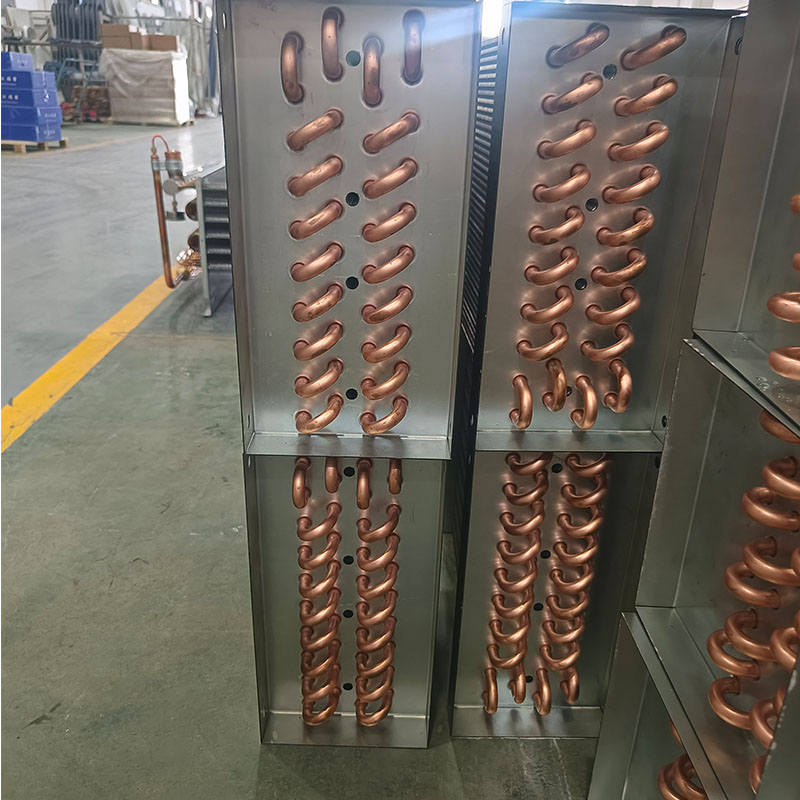
When evaluating coolroom evaporators, several key specifications should be prioritized:
Cooling Capacity: This indicates the amount of heat the evaporator can remove, typically expressed in BTUs or kW. Ensure the capacity matches your coolroom's needs for optimal performance.
Airflow Rate: Measured in cubic feet per minute (CFM), this metric affects how efficiently the evaporator circulates air within the coolroom. A higher airflow rate can enhance temperature uniformity.
Energy Efficiency Ratio (EER): This specification gives insight into the evaporator's energy consumption relative to its cooling output. Higher EER values indicate more efficient units, which can lead to significant cost savings over time.
Material Composition: The choice of materials, such as aluminum or stainless steel, impacts durability, corrosion resistance, and overall lifespan. Evaluate your coolroom's environment to select the most suitable material.
Dimensions: Ensure the evaporator fits within your coolroom's layout. Proper sizing is crucial for effective operation and airflow.
Noise Level: For applications near workspaces, the noise level of the evaporator can be a critical factor. Look for units designed for quieter operation.
Understanding these specifications will help you make an informed decision that meets your operational requirements and budget constraints.
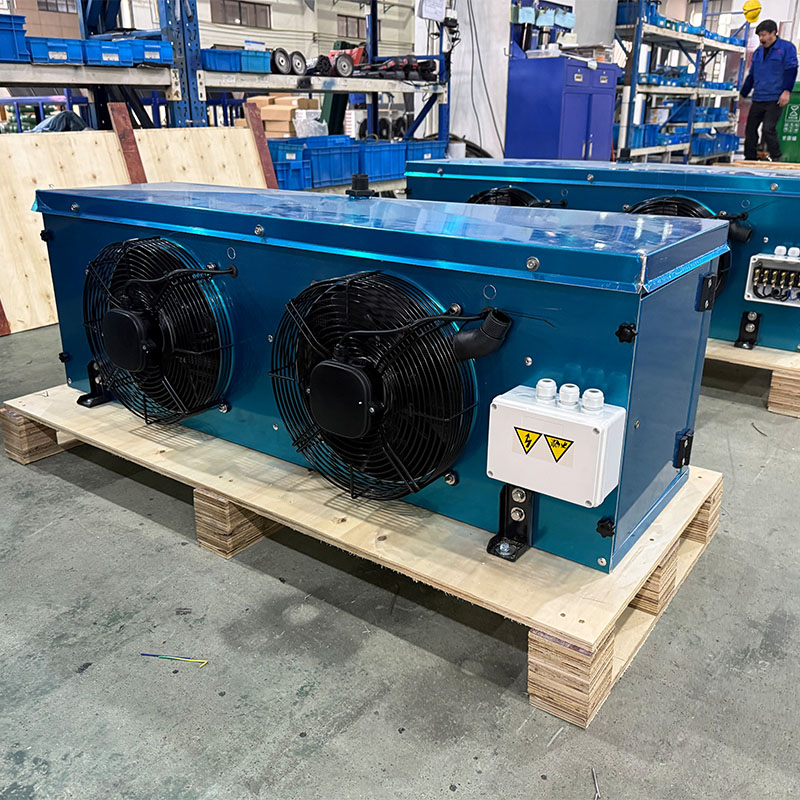
Pricing for coolroom evaporators can vary significantly based on several factors. When sourcing, consider the following:
Order Quantity: Bulk purchases may qualify for volume discounts. Discuss minimum order quantities (MOQ) with suppliers to gauge potential cost savings.
Customization Options: If you require specific features or modifications, such as custom dimensions or additional components, be prepared for potential increases in price.
Supplier Reputation: Established manufacturers with a proven track record often charge higher prices due to their reliability and product quality. However, investing in reputable brands can lead to lower maintenance costs and better performance, including options like the Compressor For Refrigeration Tools And Equipment.
Shipping Costs: Depending on your location, shipping costs can impact the overall price. Consider local suppliers to minimize these expenses.
Market Trends: Pricing can also be influenced by market demand and material costs. Stay informed about industry trends to negotiate better deals.
Understanding these pricing considerations will enable you to budget effectively and ensure you receive a fair offer from suppliers.
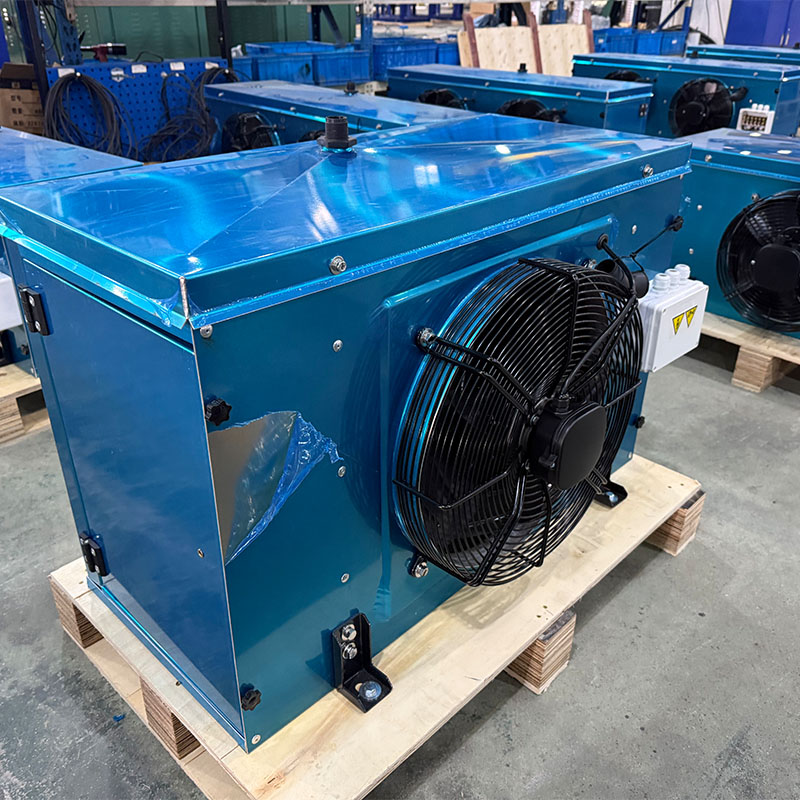
Coolroom evaporators are versatile and used across numerous industries, including:
Food and Beverage: Essential in grocery stores, restaurants, and food processing facilities, coolroom evaporators maintain optimal temperatures for storing perishables, beverages, and raw ingredients.
Pharmaceuticals: In the pharmaceutical industry, precise temperature control is critical for storing sensitive medications and vaccines. Coolroom evaporators ensure compliance with stringent regulations.
Floral and Horticulture: Florists and horticulturists rely on coolroom evaporators to prolong the freshness of flowers and plants, providing the right environment for storage and transportation.
Chemical Storage: Certain chemicals require specific temperature controls to prevent degradation. Coolroom evaporators help maintain these conditions, ensuring safety and compliance.
Logistics and Warehousing: In distribution centers, coolroom evaporators are vital for temperature-controlled storage, ensuring that goods are kept at safe temperatures until they reach their final destination. Consider also the H Type Condensing Units which can be integrated for optimal cooling solutions.
Recognizing the specific applications of coolroom evaporators can help you identify the best unit for your needs and ensure optimal performance in your industry.
A modern plant of over 40000 square meters is in place to meet the majority Ice maker for under counter demands for production.
Complete service program, from formulating of plans to the production and Cooling room, to after-sales service, there are specific docking.
With a good reputation in the industry and more than 3,000 clients who have been served, Condensing unit is a trustworthy established supplier that has been recognized by other customers.
With more than 20 years of knowledge, we've developed a a complete production and sales and after-sales process with more than 20 patent certificates and a skilled R&D EMTH team.

Welcome to EMTH, a cold storage refrigeration equipment specialist in China! We offer innovative and effective cold storage solutions, including cold storage, evaporator, condensing unit and ice machine.
Room 304-305B, Building 5, BESHINE B.P, No. 559Zhuyuan Road, Minhang District 201112, Shanghai, China
Copyright © Shanghai EMTH Import & Export Co., Ltd. All Rights Reserved. - Privacy Policy
 EN
 AR
 BG
 HR
 CS
 DA
 NL
 FI
 FR
 DE
 EL
 IT
 JA
 KO
 NO
 PL
 PT
 RO
 RU
 ES
 TL
 IW
 ID
 LT
 SR
 VI
 HU
 TH
 MS
 AZ
 JW
 LO
 MN
 SO
 MY
 KK
 TG
 UZ
 GD
 XH