Commercial refrigeration condensers are vital components in various refrigeration systems, ensuring the efficient removal of heat from refrigerants. For B2B buyers, especially purchasing managers and engineers, understanding the key specifications, sourcing options, and cost factors associated with commercial refrigeration condensers is crucial for making informed purchasing decisions. This article will delve into essential specifications, sourcing strategies, cost considerations, installation guidance, and common issues, equipping you with the knowledge needed for a successful procurement process.
When assessing commercial refrigeration condensers, several key specifications must be considered:
Cooling Capacity: This refers to the amount of heat the condenser can remove per unit time, typically measured in BTU/h or kW. It's crucial to choose a condenser with the appropriate cooling capacity for your application to ensure efficiency and prevent overloading.
Refrigerant Compatibility: Different condensers are designed for specific refrigerants. Ensure the condenser is compatible with the refrigerants used in your system, such as R-404A, R-134A, or natural refrigerants, as this impacts performance and efficiency.
Material: Most condensers are made from copper or aluminum. Copper offers superior thermal conductivity but may be more expensive, while aluminum is lighter and resistant to corrosion but may have slightly lower efficiency. Consider the environment in which the condenser will operate to select the right material.
Size and Dimensions: The physical dimensions of the condenser must fit within your available space while ensuring optimal airflow and heat dissipation. Always verify dimensions against your installation site to avoid compatibility issues.
Operating Pressure: It's essential to check the maximum and minimum operating pressures of the condenser. This specification will determine the suitability of the condenser for high-pressure systems and its ability to handle varying load conditions.
By understanding these specifications, buyers can better evaluate which commercial refrigeration condenser meets their operational needs. For instance, products like Bitzer Condensing Unit can be a reliable choice depending on your specific requirements.
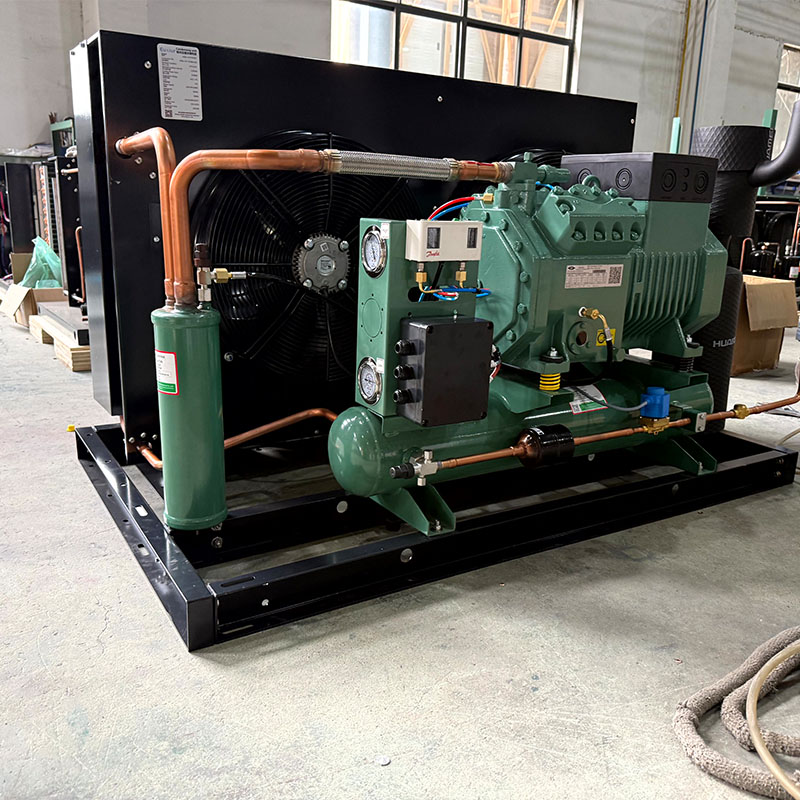
Sourcing commercial refrigeration condensers in bulk requires careful consideration of suppliers. Start by identifying manufacturers with a proven track record in the refrigeration industry, such as Shanghai EMTH, which specializes in producing high-quality refrigeration equipment and offers extensive experience and patents in the field.
Direct Manufacturers: Partnering directly with manufacturers can provide better pricing, customization options, and insights into production capabilities. Look for manufacturers that offer comprehensive service, including design support and after-sales service.
Distributors: Authorized distributors can be a reliable source for bulk orders, as they often carry products from multiple manufacturers, providing a range of choices. Ensure that the distributor has a strong reputation and offers robust customer service.
Trade Shows and Industry Events: Attending refrigeration and HVAC trade shows can help buyers connect directly with manufacturers and suppliers. These events often showcase the latest innovations and provide opportunities for networking and establishing business relationships.
Online Marketplaces: B2B platforms can be valuable for sourcing condensers, but buyers must be cautious. Look for verified suppliers with positive reviews and a history of reliable transactions to mitigate risks associated with online purchases. For example, sourcing options may include YH Type Condenser for specific applications.
By exploring these sourcing channels, buyers can ensure they find reliable condensers that meet their specifications and operational needs.
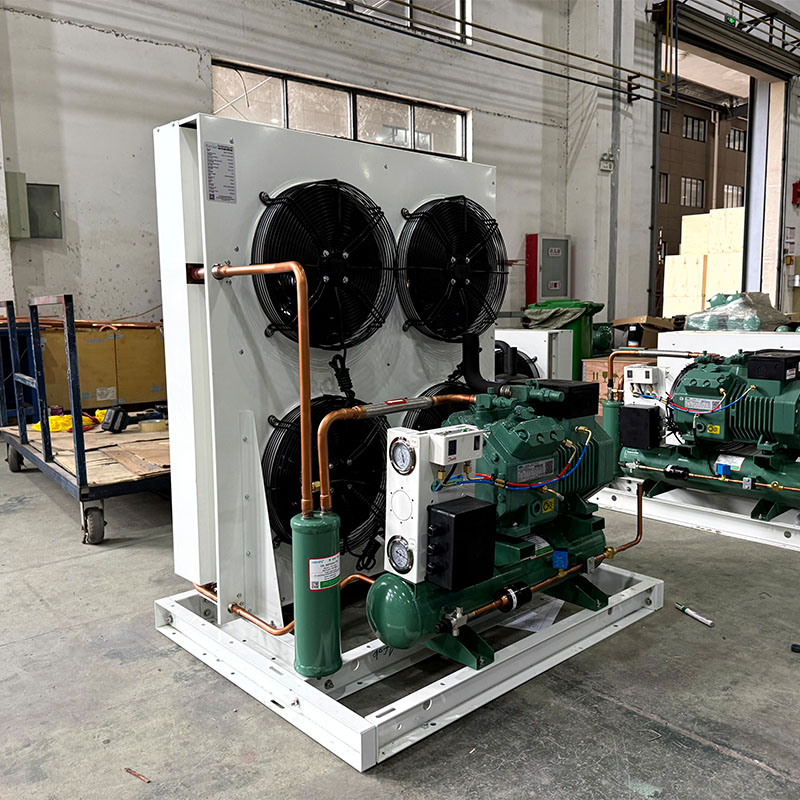
The cost of commercial refrigeration condensers can vary significantly based on several factors:
Material Costs: The choice of materials greatly impacts the price. For instance, copper condensers may cost more than aluminum, but they often provide better performance. Evaluating the long-term benefits of each material is essential when considering overall costs.
Production Volume: Bulk purchases typically lead to lower per-unit costs. Discuss your expected order volume with the manufacturer to explore discount opportunities.
Customization and Features: Any additional features or customizations, like specific dimensions or enhanced energy efficiency, can increase the cost. Buyers should weigh the benefits of these features against their budget constraints.
Shipping and Handling: Depending on the supplier's location and shipping terms, transportation costs can affect the overall price. It's crucial to factor in these costs when comparing quotes.
Market Demand: Fluctuations in market demand for refrigeration components can impact prices. Staying informed about industry trends and pricing can help buyers make timely purchasing decisions.
Understanding these cost factors will enable buyers to assess their budget effectively and negotiate better terms with suppliers.
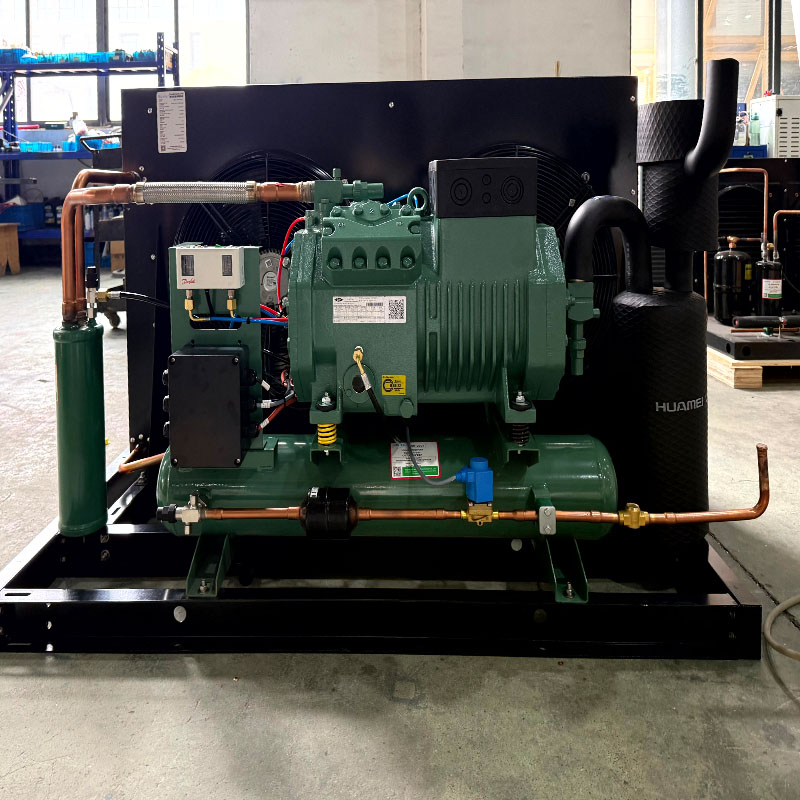
Proper installation of commercial refrigeration condensers is critical for optimal performance and longevity. Here are some essential steps to consider:
Location Selection: Choose a location that allows for adequate airflow and minimizes exposure to contaminants. Avoid placing the condenser in areas prone to high temperatures or direct sunlight, as this can affect its efficiency.
Mounting: Ensure the condenser is securely mounted to avoid vibrations that can lead to premature wear. Use vibration-dampening mounts if necessary to minimize noise and operational issues.
Refrigerant Connections: Follow the manufacturer’s guidelines for connecting refrigerant lines. Ensure all connections are leak-tested to prevent refrigerant loss and maintain system performance.
Electrical Connections: Verify that all electrical connections comply with local codes and manufacturer specifications. It’s advisable to have a qualified technician perform electrical work to ensure safety and compliance.
Testing: After installation, conduct thorough testing of the system. Check for proper refrigerant levels, operational pressures, and ensure the condenser is functioning as intended.
By following these installation guidelines, buyers can ensure their commercial refrigeration condensers operate efficiently from day one.
Complete service system, from the creation of plans, Ice maker for commercial production and project landing, to after-sales services, there's special docking.
EMTH EMTH has a solid track record in the field, with over 3,000+ happy customers.
A modern plant of over 40000 square meters is in place to meet the majority Ice maker for under counter demands for production.
With more than 20 years of knowledge, we've developed a a complete production and sales and after-sales system with more than 20 patent certificates and a highly skilled R&D EMTH team.

Welcome to EMTH, a cold storage refrigeration equipment specialist in China! We offer innovative and effective cold storage solutions, including cold storage, evaporator, condensing unit and ice machine.
Room 304-305B, Building 5, BESHINE B.P, No. 559Zhuyuan Road, Minhang District 201112, Shanghai, China
Copyright © Shanghai EMTH Import & Export Co., Ltd. All Rights Reserved. - Privacy Policy
 EN
 AR
 BG
 HR
 CS
 DA
 NL
 FI
 FR
 DE
 EL
 IT
 JA
 KO
 NO
 PL
 PT
 RO
 RU
 ES
 TL
 IW
 ID
 LT
 SR
 VI
 HU
 TH
 MS
 AZ
 JW
 LO
 MN
 SO
 MY
 KK
 TG
 UZ
 GD
 XH