Cold room refrigeration units are essential for maintaining specific temperature conditions in various commercial and industrial applications. These units ensure the preservation of perishable goods, optimize storage conditions, and enhance operational efficiency. As a purchasing manager or engineer, understanding the nuances involved in selecting the right cold room refrigeration unit is crucial. This article will guide you through the key considerations to ensure you make an informed purchasing decision, addressing concerns such as product specifications, supplier reliability, cost factors, and common operational issues.
When purchasing cold room refrigeration units wholesale, it’s essential to assess several factors to ensure that your needs are met. Begin by defining the required temperature range and capacity. Cold room units can vary significantly in their cooling capabilities, with some suitable for deep-freezing applications and others for moderate refrigeration.
Next, consider the unit's construction materials, as these impact durability and performance. Stainless steel is often preferred for its resistance to corrosion, while insulated panels should have a high R-value to minimize energy loss. Additionally, verify whether the unit can be customized to fit specific spatial constraints or operational needs. For example, options like the Terminal Box can provide tailored solutions for your setup.
Another critical aspect is the energy efficiency rating of the unit. Higher energy efficiency not only reduces operational costs but also supports compliance with environmental regulations. Look for units that are equipped with advanced technology, such as inverter-driven compressors, that adjust cooling output based on demand, thus improving overall efficiency.
Lastly, ensure you understand the minimum order quantity (MOQ) and lead times, which can affect your inventory management and operational planning.
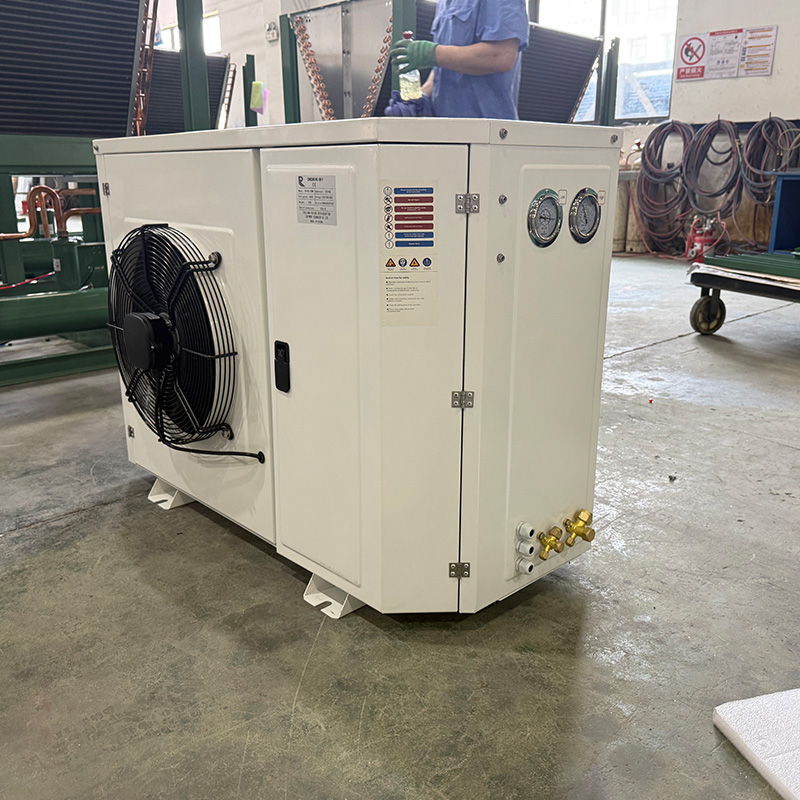
Reliable suppliers are foundational to ensuring consistent quality and support for your cold room refrigeration needs. Start your search by exploring manufacturers with extensive industry experience and a proven track record. Shanghai EMTH, as a branch of Zhejiang RUIXUE, offers over 20 years of experience in refrigeration equipment manufacturing, making them a credible option in this space.
Utilize industry trade shows, online directories, and professional networks to identify potential suppliers. Look for companies that provide comprehensive information about their products, including technical specifications, performance data, and customer testimonials. Direct communication with suppliers can also help gauge their responsiveness and willingness to assist with custom requirements.
Another reliable method is to seek recommendations from industry peers or online forums. Engaging with other professionals can provide insights into supplier reliability and product performance based on real-world applications.
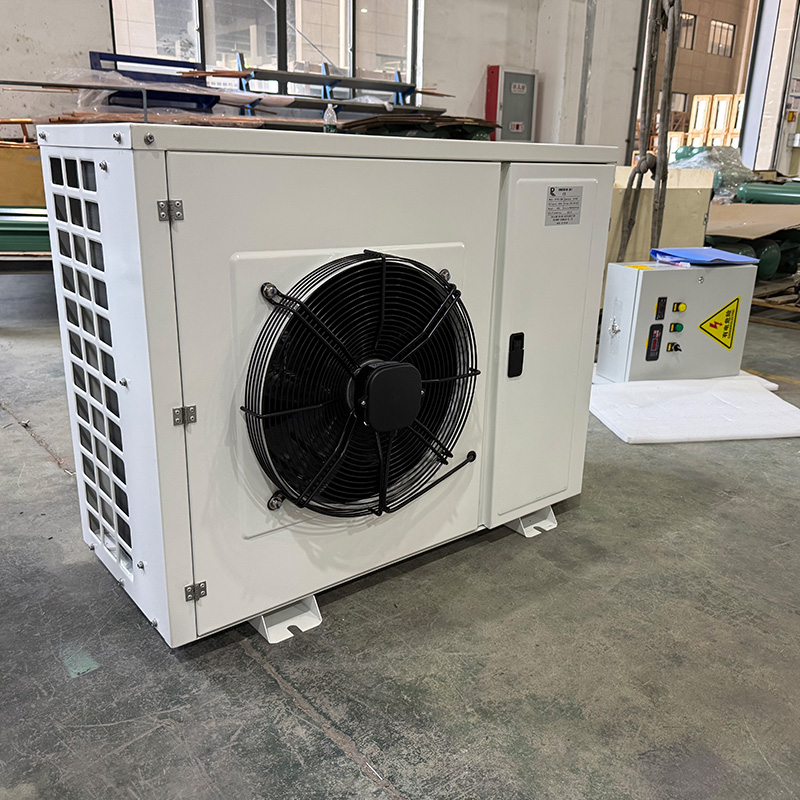
Cost considerations for cold room refrigeration units extend beyond the initial purchase price. Begin by evaluating the total cost of ownership, which includes installation, operation, and maintenance expenses. While cheaper units may seem attractive upfront, they could lead to higher energy costs or more frequent repairs over time.
When assessing quotes from suppliers, be sure to request detailed breakdowns that include shipping fees, installation costs, and warranties. This helps avoid hidden charges that could inflate the overall price. Additionally, inquire about the expected lifespan of the unit and its components, as this can influence long-term value.
Consider financing options or bulk purchase discounts, especially if you’re looking to equip multiple locations. These financial strategies can significantly reduce overall expenditure while ensuring you obtain high-quality equipment, such as reliable Compressors that enhance efficiency.
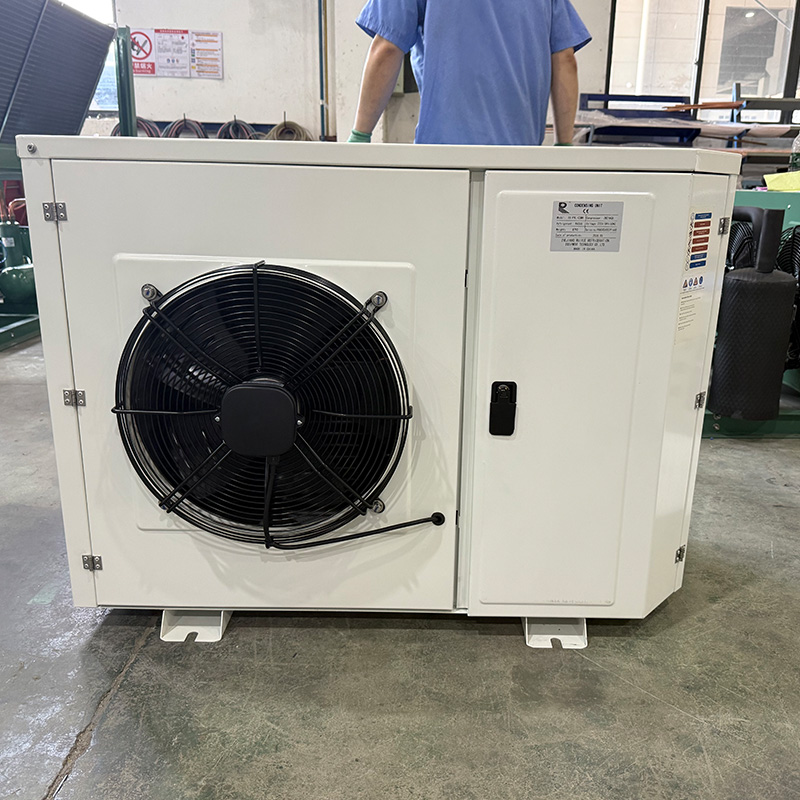
Cold room refrigeration units can encounter various issues that may disrupt operations. One common problem is inadequate cooling, which can stem from several factors, including dirty condenser coils, insufficient refrigerant levels, or faulty thermostats. Regular maintenance, including cleaning coils and checking refrigerant levels, can mitigate these issues.
Another frequent concern is humidity control. Excessive moisture can lead to frost buildup and spoilage of stored goods. Investing in units with built-in dehumidifiers or monitoring systems can help maintain optimal humidity levels and enhance product preservation.
Leakage is another critical issue that can compromise the functionality of cold rooms. Regular inspections should be conducted to identify any signs of wear or damage in seals and insulation. Prompt repairs can prevent energy loss and ensure the unit operates efficiently.
Lastly, unexpected breakdowns can occur, highlighting the importance of having a reliable service plan in place. Establish a relationship with suppliers or local technicians for timely support and maintenance services.
With a strong reputation in the field and over 3,000+ customers served, EMTH EMTH is a trustworthy known and dependable supplier that has been acknowledged by other clients.
With a full service system, from the formulation of plans, production of Condensing units as well as project landing until after-sales assistance, there's special docking.
More than 20 years of of experience and a professional R&D EMTH staff.
A modern factory of over 40,000 square meters is available to fulfill the majority of EMTH demands for production.

Welcome to EMTH, a cold storage refrigeration equipment specialist in China! We offer innovative and effective cold storage solutions, including cold storage, evaporator, condensing unit and ice machine.
Room 304-305B, Building 5, BESHINE B.P, No. 559Zhuyuan Road, Minhang District 201112, Shanghai, China
Copyright © Shanghai EMTH Import & Export Co., Ltd. All Rights Reserved. - Privacy Policy
 EN
 AR
 BG
 HR
 CS
 DA
 NL
 FI
 FR
 DE
 EL
 IT
 JA
 KO
 NO
 PL
 PT
 RO
 RU
 ES
 TL
 IW
 ID
 LT
 SR
 VI
 HU
 TH
 MS
 AZ
 JW
 LO
 MN
 SO
 MY
 KK
 TG
 UZ
 GD
 XH