In the realm of refrigeration equipment, small condensers play a crucial role in cooling systems across various industries. Understanding the specifics of small condensers is essential for B2B buyers, such as purchasing managers and engineers, who need to ensure optimal performance and efficiency for their projects. This article will address key considerations in selecting and sourcing small condensers, helping professionals make informed purchasing decisions.
Selecting the appropriate small condenser is vital for the efficiency of your cooling system. Key factors to consider include the condenser's cooling capacity, dimensions, and efficiency ratings. The cooling capacity should align with the specific requirements of your refrigeration system, as undersized condensers may lead to inadequate cooling, while oversized units can result in energy waste. For instance, using a YH Type Condenser can optimize cooling performance.
Additionally, consider the condenser's material and construction type. Common materials include copper and aluminum, each offering different thermal conductivity and corrosion resistance properties. The right choice depends on the operating environment and the specific application. For instance, environments exposed to high moisture levels may benefit from materials with enhanced corrosion resistance.
It's also important to evaluate the installation conditions. Ensure that the dimensions of the selected condenser fit within your system's layout and that it complies with any required local regulations or standards.
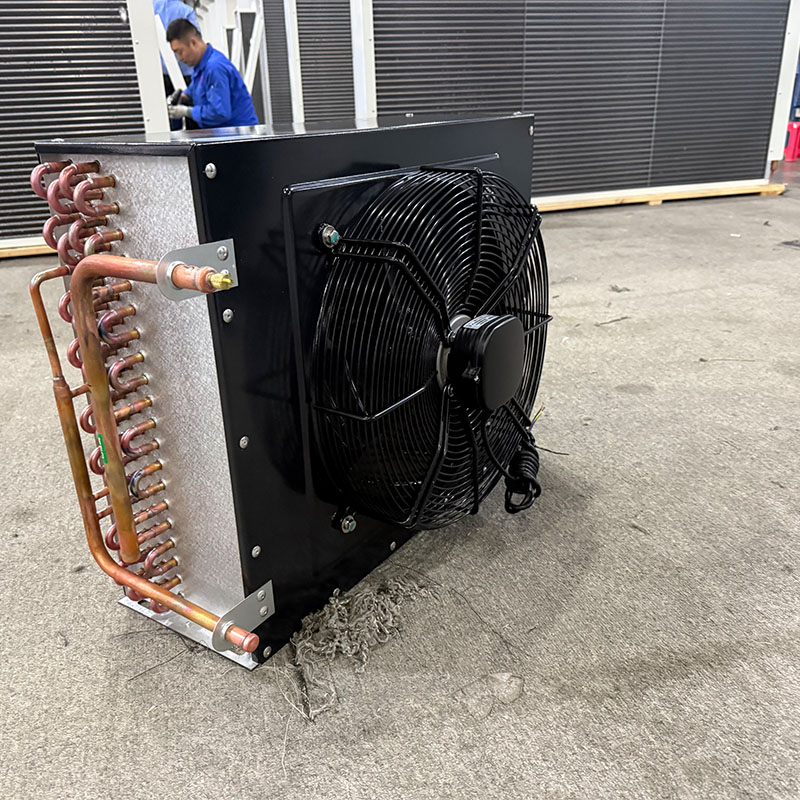
Finding reputable suppliers for small condensers is crucial for ensuring quality and reliability. Start by researching manufacturers with a proven track record in the refrigeration industry. Look for companies that specialize in producing condensers, such as Shanghai EMTH, which has over 20 years of experience and multiple patents in refrigeration equipment. For example, their Compressor For Refrigeration Tools And Equipment is well-regarded.
Industry trade shows and exhibitions can also be valuable networking opportunities to meet suppliers and evaluate their products firsthand. Online marketplaces and B2B platforms are other avenues to explore, but it's essential to vet suppliers by checking reviews, requesting samples, and verifying certifications.
Consider suppliers that offer comprehensive services, including technical support and customization options. This can be particularly beneficial for projects requiring specific configurations or performance criteria.
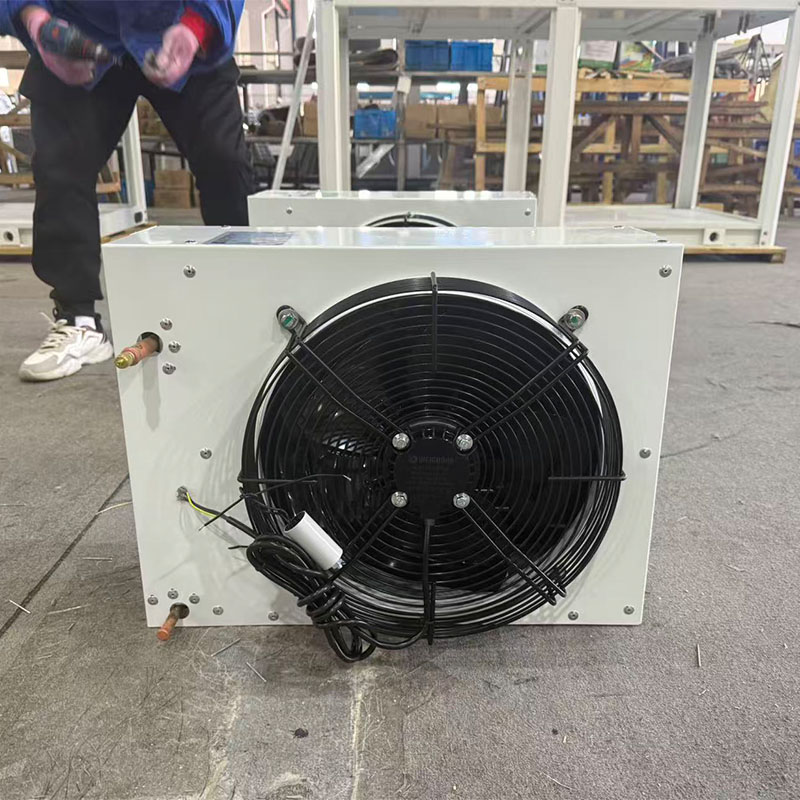
When purchasing small condensers, several critical factors should be assessed:
Technical Specifications: Understand the technical parameters such as pressure ratings, temperature ranges, and efficiency ratings. These specifications directly impact the condenser's performance and suitability for your application.
Manufacturing Capabilities: Evaluate the supplier's manufacturing capabilities, including their production equipment and quality control processes. A manufacturer that employs modern technology and stringent quality checks is more likely to deliver consistent and reliable products.
Customization Options: Many projects require specific dimensions or features in condensers. Suppliers like Shanghai EMTH can provide tailored solutions to meet unique project requirements. Discuss your needs upfront to determine if the supplier can accommodate them.
Cost Considerations: Understand how pricing is influenced by factors such as material choice, production volume, and customization. Request detailed quotations that break down costs to help you compare suppliers effectively.
Lead Times: Confirm the lead times for production and delivery, especially if your project has specific deadlines. Reliable suppliers will provide clear timelines and communicate any potential delays.
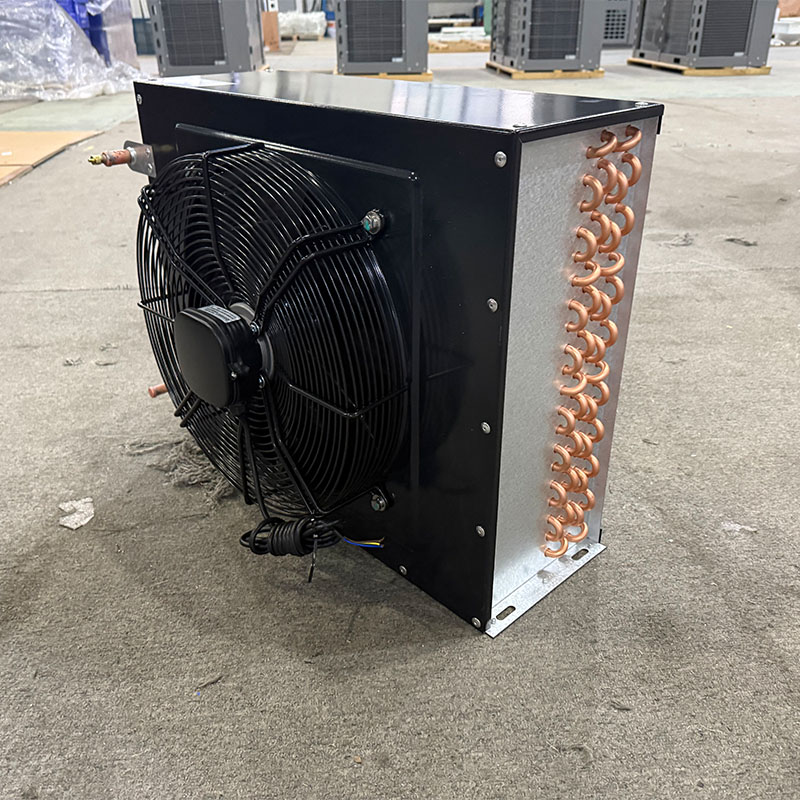
Small condensers are used across a range of industries, each with specific application requirements. Here are a few notable examples:
Food and Beverage: In commercial refrigeration systems, small condensers are essential for maintaining optimal temperatures in food storage and display units. The efficiency of these condensers impacts food safety and energy consumption.
HVAC Systems: In heating, ventilation, and air conditioning systems, small condensers help regulate indoor climates. They must be efficient and reliable to minimize energy costs while ensuring effective cooling.
Pharmaceuticals: In the pharmaceutical industry, small condensers are crucial in maintaining controlled environments for sensitive medications. Precision in temperature control is paramount to prevent product degradation.
Automotive: Small condensers are also integral to automotive cooling systems, playing a vital role in engine cooling and air conditioning units.
Understanding the applications relevant to your industry will help you choose the right small condenser that meets both regulatory and operational standards.
A modern plant of over 40000 square meters is in place to meet the EMTH majority manufacturing requirements.
Special docking is available for a complete system of service. It includes creation of plans, Ice cube machine, landing plans, and after-sales support.
With a strong name in the industry, and over 3,000+ clients served, EMTH EMTH is a trustworthy and reliable supplier who has been recognized by other customers.
After more than 20 years of expertise, we've got full sales and production and after-sales process with more than 20 patent certificates and a skilled R&D EMTH team.

Welcome to EMTH, a cold storage refrigeration equipment specialist in China! We offer innovative and effective cold storage solutions, including cold storage, evaporator, condensing unit and ice machine.
Room 304-305B, Building 5, BESHINE B.P, No. 559Zhuyuan Road, Minhang District 201112, Shanghai, China
Copyright © Shanghai EMTH Import & Export Co., Ltd. All Rights Reserved. - Privacy Policy
 EN
 AR
 BG
 HR
 CS
 DA
 NL
 FI
 FR
 DE
 EL
 IT
 JA
 KO
 NO
 PL
 PT
 RO
 RU
 ES
 TL
 IW
 ID
 LT
 SR
 VI
 HU
 TH
 MS
 AZ
 JW
 LO
 MN
 SO
 MY
 KK
 TG
 UZ
 GD
 XH