Small condenser units are essential components in various refrigeration systems, designed to efficiently dissipate heat and maintain optimal temperature levels in cold storage and HVAC applications. For B2B buyers, such as purchasing managers and engineers, understanding the key quality indicators, sourcing options, common issues, and industry applications of small condenser units is crucial for making informed purchasing decisions. This article will provide detailed insights into these aspects to help businesses select the right small condenser unit for their specific needs.
When purchasing small condenser units, several key quality indicators should be considered to ensure optimal performance and reliability.
Efficiency Ratings: Look for units with high energy efficiency ratings, such as EER (Energy Efficiency Ratio) or SEER (Seasonal Energy Efficiency Ratio). Higher ratings indicate better energy usage, which can significantly reduce operational costs.
Cooling Capacity: It's essential to match the condenser unit's cooling capacity with your specific requirements. This is usually measured in BTUs (British Thermal Units). An undersized unit may struggle to maintain desired temperatures, while an oversized unit can lead to inefficiencies and increased wear.
Material Quality: The materials used in the construction of condenser units affect their durability and performance. Units made from corrosion-resistant materials, like galvanized steel or stainless steel, are preferable as they enhance longevity, especially in challenging environments. For example, high-quality Refrigeration Accessories can significantly improve the overall performance of the unit.
Design and Size: Compact designs may be necessary for limited spaces, but ensure that the dimensions do not compromise airflow and heat exchange efficiency.
Noise Levels: Consider the noise output of the unit, especially if it will be installed in noise-sensitive areas. Look for units designed with sound-dampening features.
By evaluating these indicators closely, buyers can select small condenser units that not only meet their operational needs but also contribute to long-term savings and reliability.
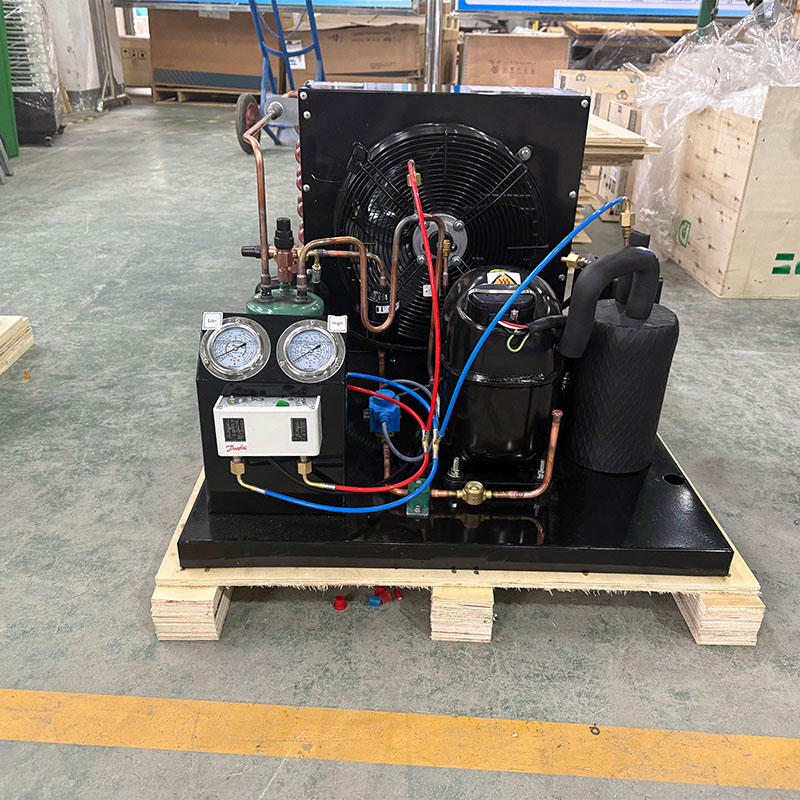
Sourcing small condenser units for wholesale distribution requires careful consideration of suppliers to ensure quality and reliability. Here are some strategies:
Manufacturers with Proven Experience: Look for manufacturers with a long-standing presence in the refrigeration industry, such as Shanghai EMTH, which has over 20 years of expertise and multiple patents. Experienced manufacturers typically have established quality control processes and a reputation for reliability.
Trade Shows and Industry Conferences: Attending industry-specific trade shows can provide opportunities to meet manufacturers, view products firsthand, and negotiate pricing directly. This face-to-face interaction can also facilitate better understanding of the products and their applications.
Online B2B Marketplaces: Websites like Alibaba or ThomasNet feature numerous suppliers. Always verify the supplier’s credentials, read reviews, and request samples before making bulk purchases.
Local Distributors: Establish relationships with local distributors who can provide support and after-sales service. They often have insights into market trends and can help with logistics.
Specialized Cold Chain Solutions Providers: Companies that specialize in cold chain solutions may offer tailored products, including small condenser units, designed for specific applications, ensuring compatibility and performance. Additionally, consider their Control Box options for enhanced functionality.
By utilizing these sourcing strategies, buyers can find reliable suppliers for small condenser units that fit their business requirements.
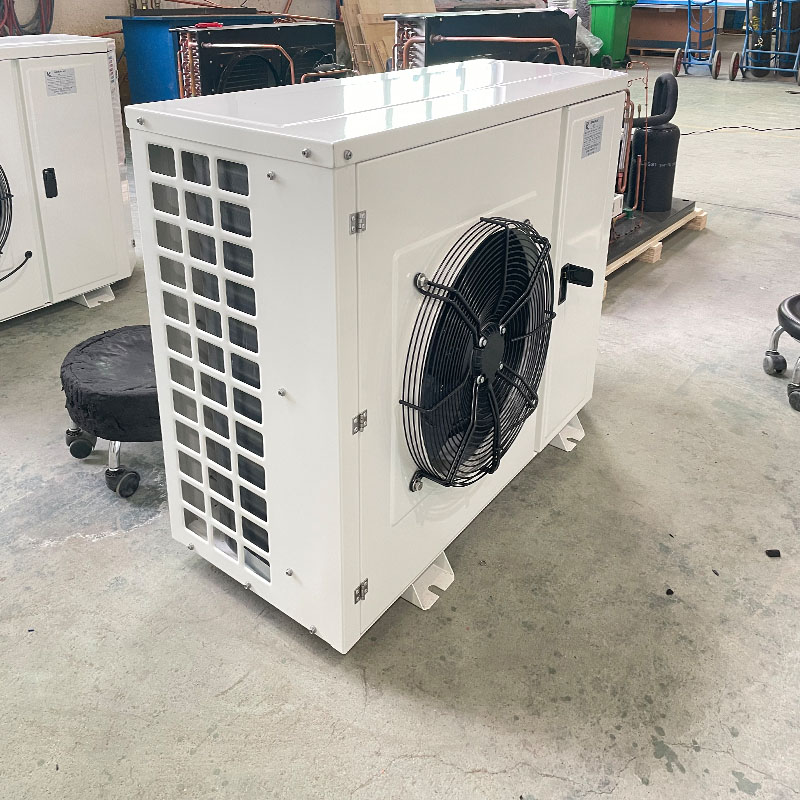
Understanding common problems associated with small condenser units can help buyers anticipate issues and implement solutions proactively.
Refrigerant Leaks: One of the most frequent issues is refrigerant leakage, which can lead to reduced efficiency and increased operating costs. Regular maintenance and inspections can help identify leaks early. Using high-quality seals and components during manufacturing also minimizes this risk.
Overheating: If a condenser unit overheats, it can cause system failure. This problem may stem from insufficient airflow, dirty coils, or overloading. Implementing regular cleaning schedules and ensuring proper air circulation around the unit can mitigate overheating risks.
Noise and Vibration: Excessive noise can be a concern. This might result from loose components or inadequate mounting. Ensuring that all parts are securely fastened and using vibration-dampening mounts can reduce noise levels.
Electrical Failures: Electrical issues can arise from improper installations or power surges. Investing in surge protectors and ensuring that installations adhere to electrical standards can prevent these failures.
By being aware of these common problems and their solutions, buyers can make more informed decisions and maintain their condenser units effectively.
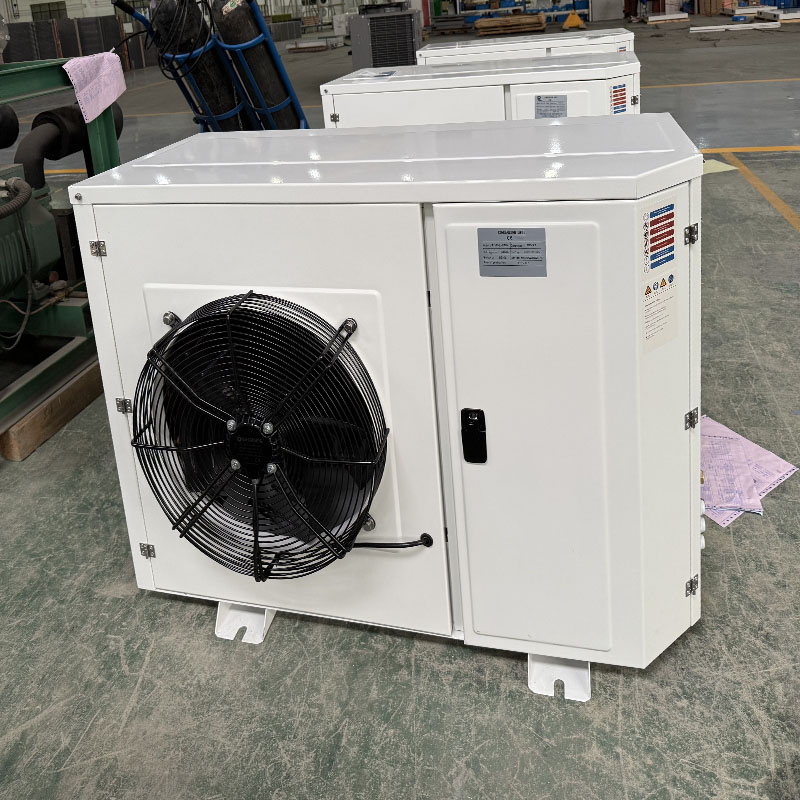
Small condenser units find applications across a wide range of industries, thanks to their versatility in managing temperature control. Key industries include:
Food and Beverage: In the food industry, small condenser units are crucial for preserving perishables in cold storage facilities and refrigerated transport. Their efficiency helps maintain the required temperature for food safety.
Pharmaceuticals: The pharmaceutical industry relies heavily on precise temperature control for drug storage. Small condenser units ensure that medications remain effective and safe by providing consistent cooling.
HVAC Systems: In heating, ventilation, and air conditioning, small condenser units are vital for maintaining indoor comfort. They contribute to the overall efficiency of HVAC systems, particularly in smaller commercial buildings.
Retail: Retail environments, especially convenience stores and supermarkets, utilize small condenser units in display cases and walk-in coolers, ensuring that products are kept at optimal temperatures for customer satisfaction.
Marine Applications: Small condenser units are also used in marine refrigeration systems for maintaining onboard food supplies and equipment. Their durability and efficiency are particularly beneficial in challenging marine environments.
By understanding the diverse applications of small condenser units, buyers can better assess their needs and select suitable products for specific uses.
Complete service program, from formulating of plans, production of Cold room as well as project landing until after-sales service, there are specific docking.
A modern plant of over 4000 square meters is in operation to meet the majority Ice maker for commercial production requirements.
EMTH EMTH has a track record in the field with over 3,000+ happy customers.
With more than 20 years of knowledge, we've developed a a complete production and sales and after-sales system with more than 20 patent certificates and a highly skilled R&D EMTH team.

Welcome to EMTH, a cold storage refrigeration equipment specialist in China! We offer innovative and effective cold storage solutions, including cold storage, evaporator, condensing unit and ice machine.
Room 304-305B, Building 5, BESHINE B.P, No. 559Zhuyuan Road, Minhang District 201112, Shanghai, China
Copyright © Shanghai EMTH Import & Export Co., Ltd. All Rights Reserved. - Privacy Policy
 EN
 AR
 BG
 HR
 CS
 DA
 NL
 FI
 FR
 DE
 EL
 IT
 JA
 KO
 NO
 PL
 PT
 RO
 RU
 ES
 TL
 IW
 ID
 LT
 SR
 VI
 HU
 TH
 MS
 AZ
 JW
 LO
 MN
 SO
 MY
 KK
 TG
 UZ
 GD
 XH