Chiller evaporators play a critical role in refrigeration systems, allowing for efficient heat exchange and cooling processes. For B2B buyers, particularly purchasing managers and engineers, understanding the key specifications, quality evaluation, applications, installation challenges, and cost factors associated with chiller evaporators is essential to make informed purchasing decisions. This article will provide practical insights into these aspects, helping you navigate the complexities of sourcing and implementing chiller evaporators in industrial settings.
When sourcing chiller evaporators, several key specifications should be prioritized:
Capacity: The cooling capacity, typically measured in tons or kilowatts, indicates the evaporator's ability to remove heat from the refrigerant. Ensure that the capacity matches your cooling requirements to avoid inefficiencies.
Material: Common materials for chiller evaporators include copper, aluminum, and stainless steel. The choice of material affects durability, heat transfer efficiency, and resistance to corrosion. Always consider the specific environmental conditions in which the evaporator will operate.
Design and Configuration: The design—be it shell and tube, plate, or finned tube—affects both performance and installation requirements. Different configurations may be more suitable for various applications and space constraints.
Operating Conditions: Confirm the evaporator's rated operating temperatures and pressures. Ensure they align with your system's requirements to guarantee optimal performance and longevity.
Energy Efficiency: Look for evaporators with high energy efficiency ratings (EER) to reduce operational costs. Products with advanced heat exchange technologies often provide better efficiency.
Certification Compliance: Ensure the evaporators meet relevant industry standards and certifications, which can include ISO, CE, or UL, depending on your market. This compliance is crucial for quality assurance and safety.
These specifications collectively influence the operational effectiveness and reliability of your chiller system. For instance, incorporating high-quality Refrigeration Accessories can enhance the overall performance of your setup.
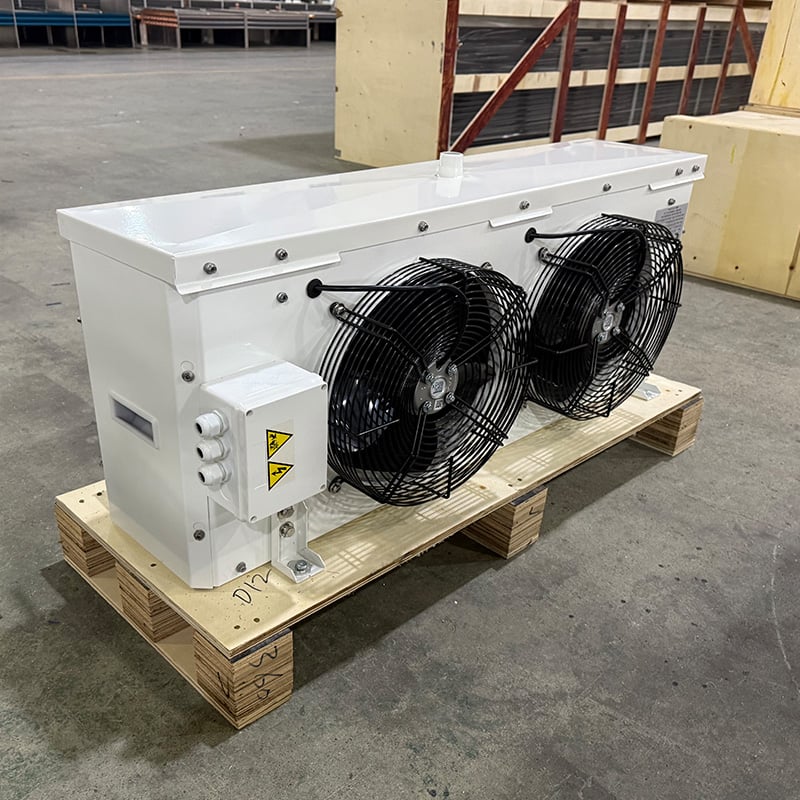
Evaluating the quality of chiller evaporators is essential to ensure long-term reliability and performance. Here are key steps to take:
Sample Testing: Before finalizing an order, request samples and conduct performance tests under real operating conditions. This helps verify the evaporator's efficiency, cooling capacity, and compatibility with your existing systems.
Material Inspection: Assess the quality of materials used in the evaporator. For instance, copper components should be free of defects and have a consistent gauge to ensure optimal heat exchange performance.
Quality Control Processes: Inquire about the manufacturer’s quality control processes. A reputable manufacturer will implement rigorous testing protocols throughout production, including pressure testing and leak detection.
Customer Reviews and Case Studies: Look for customer testimonials and case studies that highlight the performance of the evaporators in similar applications. This real-world feedback can provide insights into their reliability and efficiency.
Manufacturer Reputation: Research the manufacturer’s history and expertise in producing refrigeration equipment. A company with a robust portfolio and industry experience, like Shanghai EMTH, is more likely to deliver high-quality products.
By conducting thorough evaluations, you can ensure that the chiller evaporators you select will meet your project demands effectively.
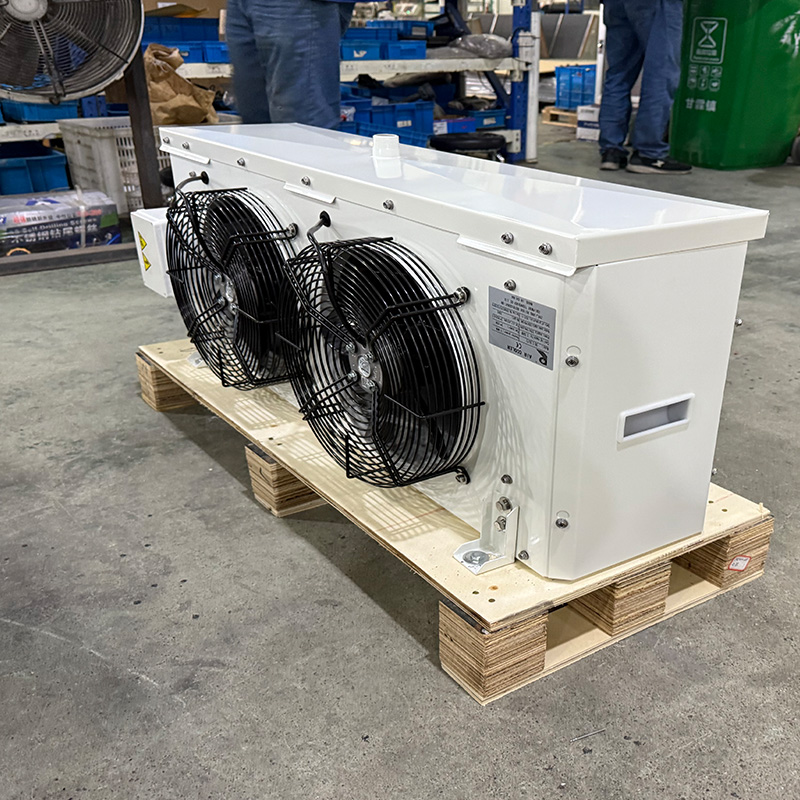
Chiller evaporators are versatile components used across various industrial applications, including:
Food and Beverage Processing: In this sector, chiller evaporators are crucial for maintaining the right temperatures during production, storage, and distribution. They help preserve product quality and extend shelf life.
HVAC Systems: Chiller evaporators are integral to heating, ventilation, and air conditioning systems, providing efficient cooling for commercial buildings, factories, and warehouses.
Pharmaceutical Manufacturing: Precise temperature control is vital in pharmaceutical production. Chiller evaporators support the cooling of sensitive materials and processes, ensuring compliance with stringent regulatory requirements.
Chemical Processing: In chemical manufacturing, chiller evaporators help manage exothermic reactions by removing excess heat, maintaining safe operating conditions.
Data Centers: With the increasing demand for cooling solutions in data centers, chiller evaporators play a key role in maintaining optimal temperatures for servers and equipment.
These applications highlight the importance of selecting the right chiller evaporators to meet specific industry requirements and ensure efficient operation. Additionally, integrating Evaporator technology can further improve system performance.
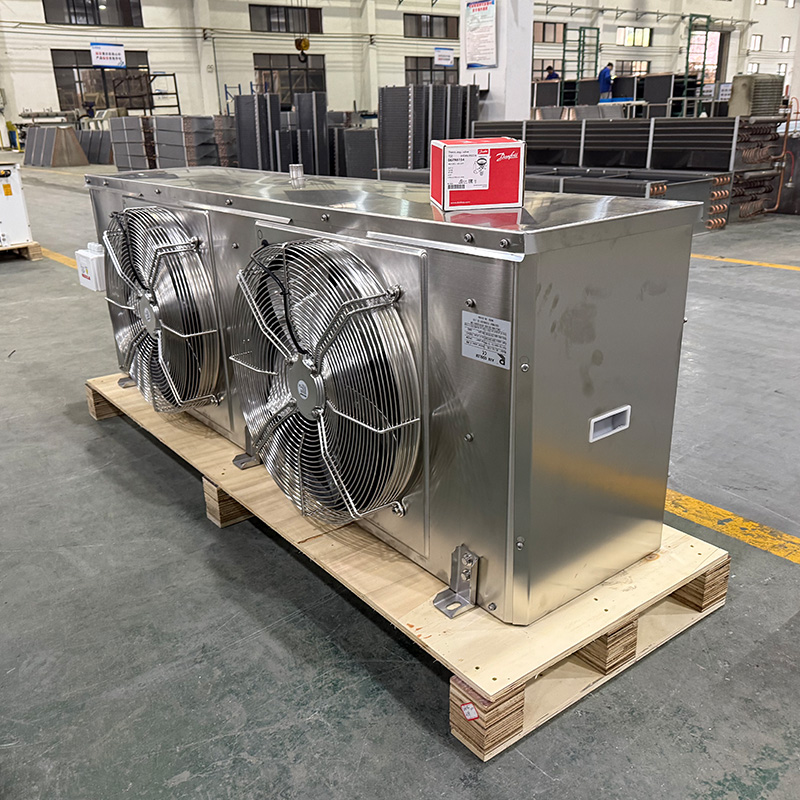
Installing chiller evaporators can pose several challenges, but they can be managed with careful planning and execution:
Space Constraints: In many industrial settings, limited space can complicate the installation of chiller evaporators. To mitigate this, consider modular designs that can be customized to fit specific spatial requirements.
Compatibility Issues: Ensuring that the chiller evaporator is compatible with existing systems is crucial. Conduct a thorough assessment of the refrigerant type, piping, and electrical requirements before installation.
Insufficient Access for Maintenance: Proper placement is essential for future maintenance and repairs. Ensure that the installation allows for easy access to components without disrupting other operations.
Cold Room Integration: For applications requiring cold storage, integrating chiller evaporators into cold rooms can be complex. Collaborate with experienced manufacturers who can provide tailored cold room solutions alongside evaporator systems.
Vibration and Noise: Chiller evaporators can generate vibration and noise, impacting the working environment. Utilizing vibration-dampening mounts and designing noise barriers can help minimize these issues.
By anticipating these challenges, you can facilitate a smoother installation process and enhance the long-term performance of your chiller evaporators.
More than 20 years of' experience and an experienced R&D EMTH team.
A modern plant of over 40000 square meters is in place to meet the EMTH majority manufacturing requirements.
Special docking is available for a complete system of service. It includes creation of plans, Axial fans, landing plans, and after-sales support.
EMTH EMTH has a solid track record in the field, with over 3,000+ happy customers.

Welcome to EMTH, a cold storage refrigeration equipment specialist in China! We offer innovative and effective cold storage solutions, including cold storage, evaporator, condensing unit and ice machine.
Room 304-305B, Building 5, BESHINE B.P, No. 559Zhuyuan Road, Minhang District 201112, Shanghai, China
Copyright © Shanghai EMTH Import & Export Co., Ltd. All Rights Reserved. - Privacy Policy
 EN
 AR
 BG
 HR
 CS
 DA
 NL
 FI
 FR
 DE
 EL
 IT
 JA
 KO
 NO
 PL
 PT
 RO
 RU
 ES
 TL
 IW
 ID
 LT
 SR
 VI
 HU
 TH
 MS
 AZ
 JW
 LO
 MN
 SO
 MY
 KK
 TG
 UZ
 GD
 XH