When selecting an air cooled condenser for walk-in freezers, it’s essential to understand its role in maintaining optimal refrigeration performance. This equipment is critical for ensuring the efficient operation of walk-in freezers, which are commonly used in various commercial and industrial applications. Buyers often focus on specifications, reliability, and compatibility with their existing systems. This article will guide you through key considerations for choosing an air cooled condenser, highlighting important specifications, common issues, and applications to help you make informed purchasing decisions.
When selecting an air cooled condenser for walk-in freezers, several factors should guide your decision-making process. First, consider the condenser's cooling capacity, which must align with the size and thermal load of your freezer. Condensers are rated by their BTU (British Thermal Unit) output; ensure the unit can handle the heat load without excessive cycling, which can lead to inefficiencies.
Next, evaluate the refrigerant type compatible with your condenser. Common refrigerants include R-404A and R-410A, but the industry is shifting towards more environmentally friendly options, such as R-32. Ensure that your selected condenser is compatible with the refrigerant in use to avoid operational issues.
Additionally, assess the condenser's design and configuration. Air cooled condensers come in various designs, including horizontal and vertical configurations, each suited to different installation environments. The ambient temperature where the condenser will operate is also crucial; units designed for high ambient temperatures may offer better performance in warmer climates.
Lastly, consider the ease of maintenance. Units with accessible components for cleaning and servicing will reduce downtime and maintenance costs.
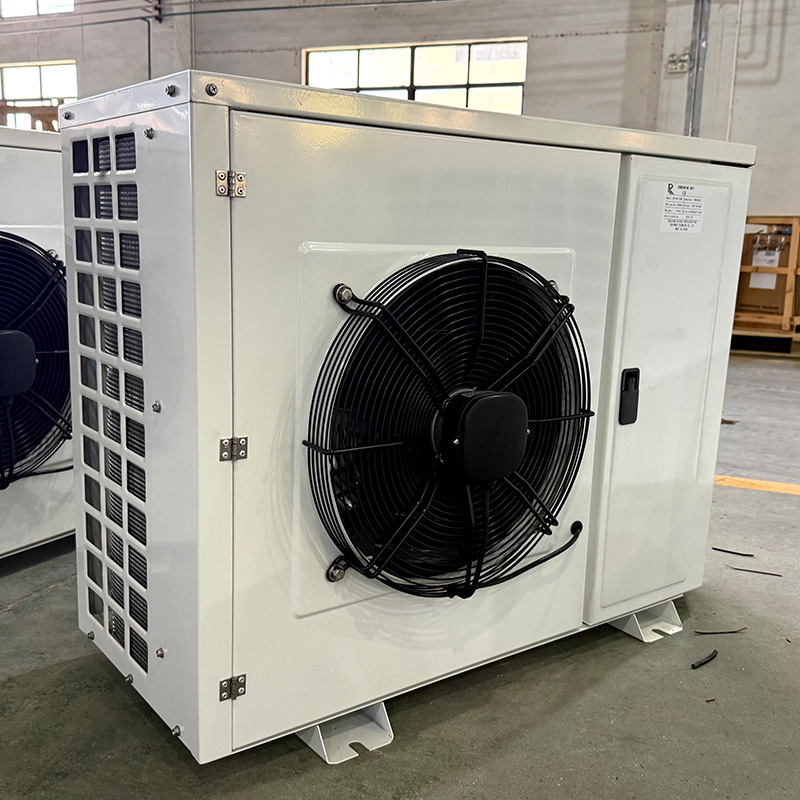
Several key specifications determine the performance and suitability of air cooled condensers for walk-in freezers.
Cooling Capacity: This is measured in BTUs or kW and indicates how much heat the condenser can remove from the refrigerant. It’s vital to match the cooling capacity with the freezer's requirements to ensure efficient operation.
Fan Type and Size: The fan’s size and type influence airflow and noise levels. Larger fans can move more air, which can improve efficiency but may also increase noise. Consider your operational environment when selecting the fan specifications.
Material Construction: Most condensers are constructed from aluminum, copper, or galvanized steel. Each material has its benefits; for example, copper offers excellent thermal conductivity but may be more susceptible to corrosion compared to galvanized steel.
Operating Pressure: Confirm the maximum and minimum pressure ratings of the condenser. This information is essential for ensuring that the condenser can handle the pressures of your specific refrigeration system.
Energy Efficiency Ratio (EER): This ratio measures the efficiency of the condenser. A higher EER indicates a more efficient unit, which can lead to significant energy savings over time.
Understanding these specifications will enable you to select the right air cooled condenser for your walk-in freezer needs. Additionally, consider exploring refrigeration accessories that can enhance your system's performance.
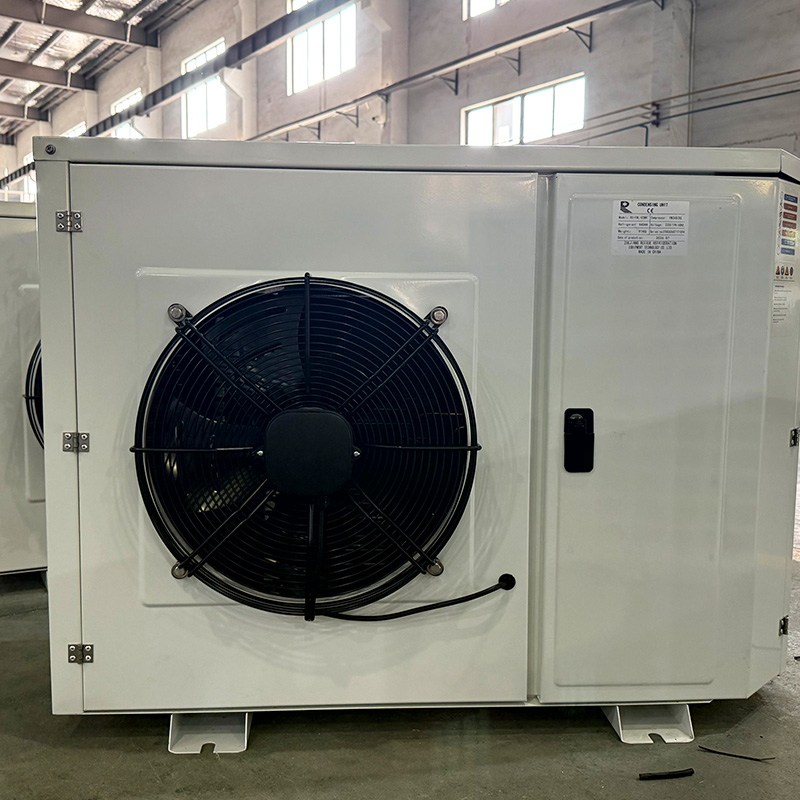
Air cooled condensers can encounter several issues that may affect their performance.
Insufficient Cooling: If a condenser fails to cool effectively, it may be due to inadequate airflow or a blocked coil. Regular maintenance, including cleaning coils and checking fan operation, can prevent these issues.
Noise Issues: Excessive noise can arise from loose components or worn-out fan bearings. Regular inspections and maintenance can help identify these problems early.
Frost Build-Up: Frost accumulation can hinder performance, indicating that the condenser is not working efficiently. This may be due to low refrigerant levels or improper thermostat settings. Regular monitoring of refrigerant levels and thermostat calibration can prevent this.
Corrosion: Environmental factors can cause corrosion, especially in coastal areas. Selecting a unit with corrosion-resistant materials or coatings can mitigate this risk.
Electrical Failures: Electrical issues can arise from faulty wiring or component failures. Implementing a regular inspection schedule can help identify and resolve these issues promptly.
By being aware of these common problems and their solutions, you can ensure your air cooled condenser operates reliably and efficiently.
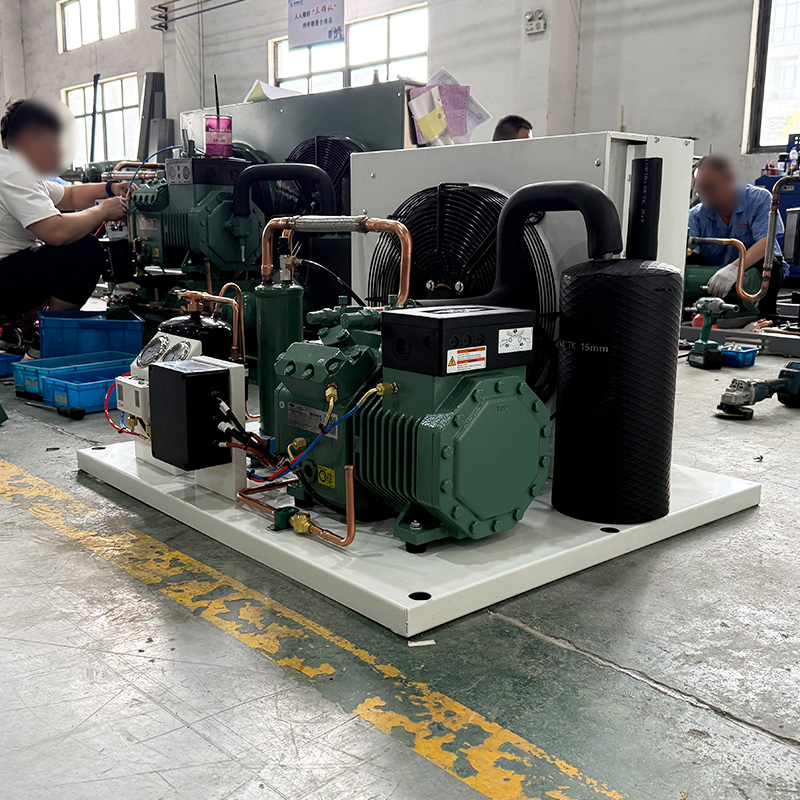
Air cooled condensers are integral to various applications in walk-in freezer environments. They are commonly found in:
Food Service: Restaurants, catering companies, and grocery stores utilize walk-in freezers to store perishable goods. Air cooled condensers help maintain the proper temperatures necessary for food safety.
Cold Storage Facilities: Warehouses that specialize in food storage require efficient refrigeration systems. Air cooled condensers provide the necessary cooling capacity for large freezer units in these facilities.
Pharmaceuticals: In the pharmaceutical industry, certain products must be stored at controlled temperatures. Air cooled condensers are essential in maintaining these conditions in walk-in freezers used for drug storage.
Floral Industry: Flower shops and distribution centers often use walk-in freezers to preserve floral arrangements. Air cooled condensers play a crucial role in sustaining the low temperatures required for flower longevity. Understanding these applications can help buyers understand the versatility and necessity of air cooled condensers in various industries.
Special docking is available for a complete system of service. It includes creation of plans, Ice cube machine, landing plans, and after-sales support.
With a good name in the industry, with over 3,000+ clients serviced, EMTH EMTH is a trustworthy established supplier that is praised by its clients.
A modern plant of over 4000 square meters is in operation to meet the majority Ice maker for commercial production requirements.
More than 20 years of of experience and a professional R&D EMTH staff.

Welcome to EMTH, a cold storage refrigeration equipment specialist in China! We offer innovative and effective cold storage solutions, including cold storage, evaporator, condensing unit and ice machine.
Room 304-305B, Building 5, BESHINE B.P, No. 559Zhuyuan Road, Minhang District 201112, Shanghai, China
Copyright © Shanghai EMTH Import & Export Co., Ltd. All Rights Reserved. - Privacy Policy
 EN
 AR
 BG
 HR
 CS
 DA
 NL
 FI
 FR
 DE
 EL
 IT
 JA
 KO
 NO
 PL
 PT
 RO
 RU
 ES
 TL
 IW
 ID
 LT
 SR
 VI
 HU
 TH
 MS
 AZ
 JW
 LO
 MN
 SO
 MY
 KK
 TG
 UZ
 GD
 XH