Selecting the right 7.5hp condensing unit for your cold room is crucial for optimal refrigeration performance. This unit serves as a vital component in maintaining the required temperature and efficiency of your cold storage solutions. As a B2B buyer, you may be concerned about specifications, quality, installation, and long-term performance. This article will guide you through essential considerations to help you make an informed purchase decision.
When selecting a 7.5hp condensing unit for your cold room, several factors come into play. First, consider the cooling load requirements of your application. This involves calculating the total heat load your cold room will encounter, including factors like insulation, product temperature, and ambient conditions.
Next, assess the energy efficiency rating of the unit, as this will impact your operational costs. Units with higher efficiency ratings, such as those compliant with the latest energy standards, can lead to significant savings over time. Additionally, think about the refrigerant type used in the unit; some refrigerants have lower environmental impacts and may be required for compliance with regulatory standards.
Finally, evaluate the manufacturer’s reputation and experience in the industry. A manufacturer with a strong background, such as Shanghai EMTH with over 20 years of experience and numerous patents, can provide confidence in the reliability and performance of their products. For instance, consider their Compressor offerings, which are known for their durability.
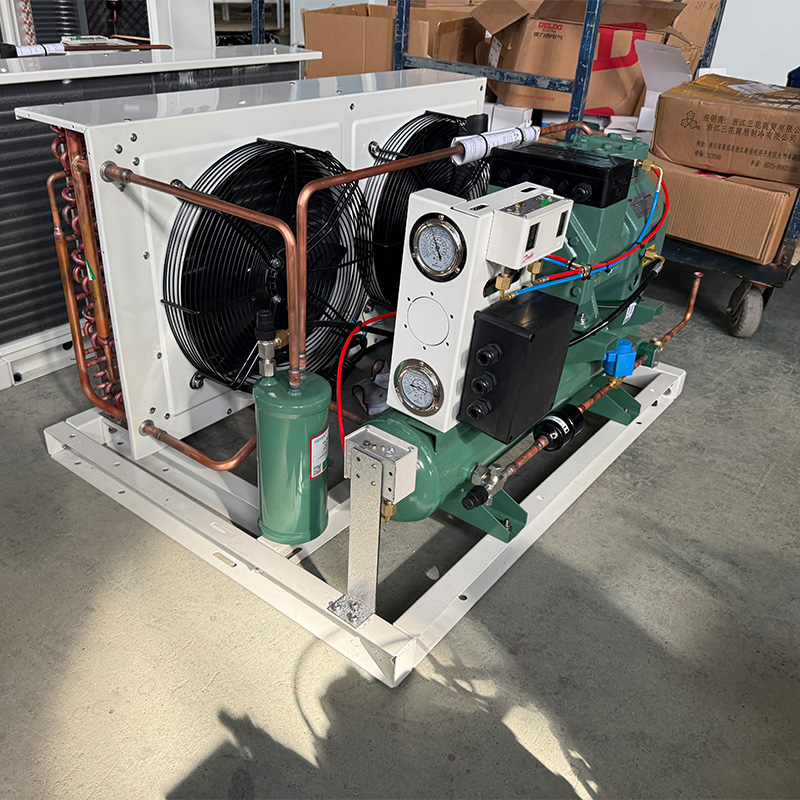
Understanding the key specifications of 7.5hp condensing units is essential for ensuring efficient cooling. Important specifications include:
Refrigeration Capacity: This is measured in BTUs and indicates how much heat the unit can remove from the cold room. For a 7.5hp unit, the capacity typically ranges from 10,000 to 15,000 BTUs, depending on the application.
Compressor Type: Scroll compressors are commonly used for their efficiency and reliability. Ensure the compressor is designed for continuous operation for optimal performance.
Condenser Type: Evaluate whether the unit uses air-cooled or water-cooled condensers. Air-cooled units are easier to install and maintain, while water-cooled units can be more efficient in certain environments. Consider looking into Condenser options for your application.
Operating Temperature Range: Confirm that the unit can operate effectively in the temperature range required for your specific cold room application, whether it's for refrigeration or freezing.
Dimensions and Weight: Ensure the unit fits within your available space and can be supported by the installation area.
These specifications directly impact the performance, efficiency, and suitability of the condensing unit for your cold room.
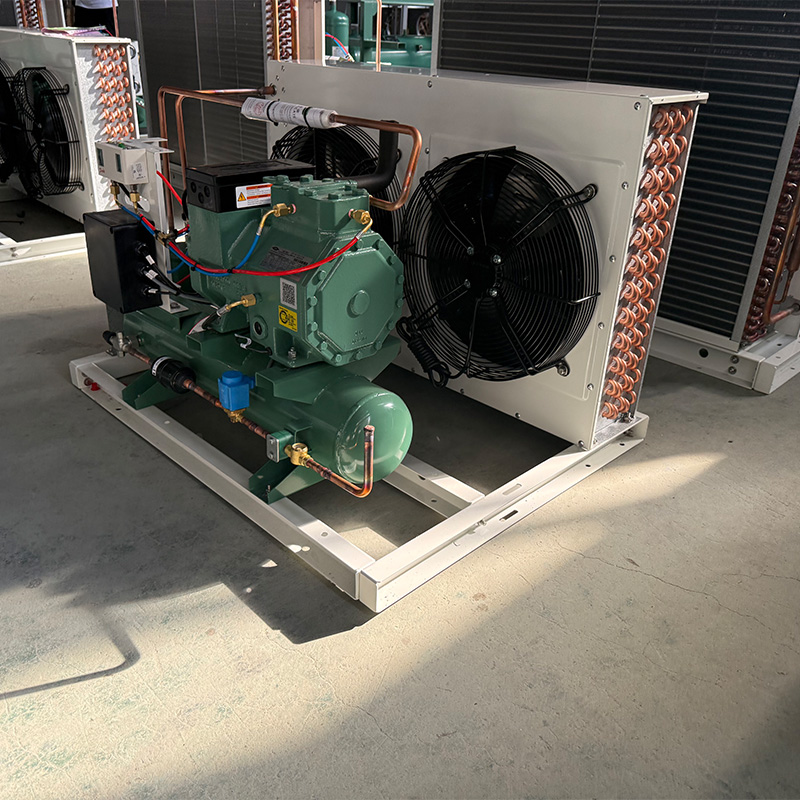
Evaluating the quality of 7.5hp condensing units is critical before making a wholesale purchase. Start by examining the materials used in the unit's construction. High-quality materials, such as galvanized steel for the casing and copper for coils, enhance durability and heat transfer efficiency.
Next, check for certifications and compliance with industry standards, such as ISO 9001 for quality management systems. This can provide assurance of the manufacturer’s commitment to producing reliable products.
Quality control processes are also essential. A reputable manufacturer should have rigorous testing protocols to ensure that every unit meets performance specifications before shipping. Consider requesting a sample unit for testing in your specific application conditions to verify its performance and compatibility.
Lastly, review customer feedback and case studies. Insights from other buyers can reveal common issues and satisfaction levels, helping you gauge the unit's reliability in real-world applications.
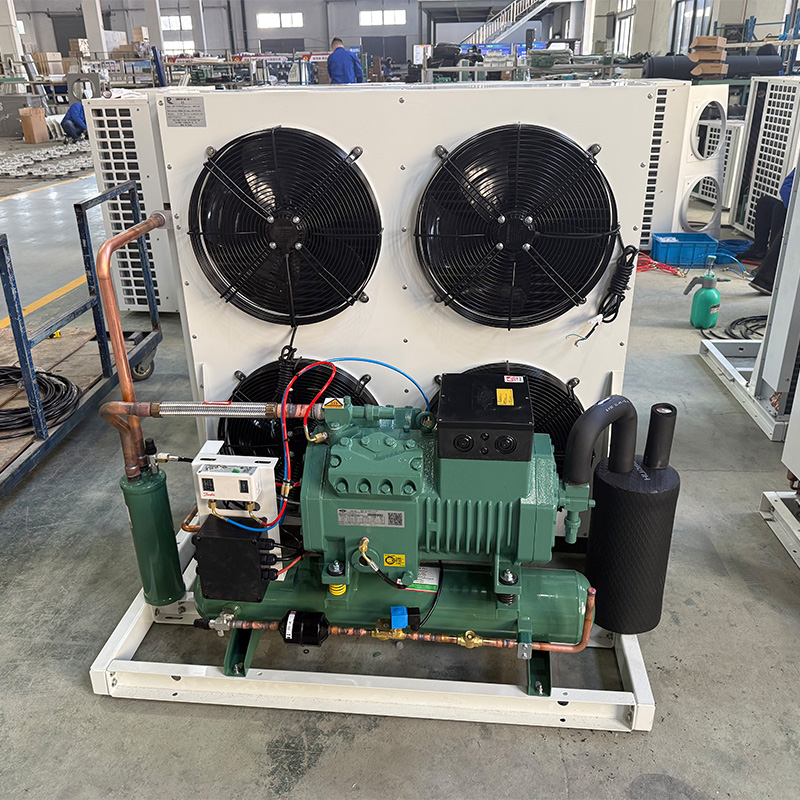
Proper installation of a 7.5hp condensing unit is key to ensuring optimal performance and longevity. Begin by selecting an appropriate location that allows for adequate airflow around the unit. Avoid placing the unit in confined spaces where heat dissipation may be hindered.
Next, ensure that the electrical supply matches the unit's requirements. This includes verifying voltage, phase, and amperage to prevent electrical issues that could lead to failure.
During installation, pay close attention to refrigerant line connections and insulation. Proper sealing and insulation can prevent leaks and maintain efficiency. Also, consider integrating vibration isolation mounts to reduce noise and wear on the unit.
Once installed, conduct thorough testing to confirm that the unit operates within specified parameters. Monitor temperature and pressure readings to ensure the system is functioning correctly.
With more than 20 years of knowledge, we've developed a a complete production and sales and after-sales system with more than 20 patent certificates and a highly skilled R&D EMTH team.
A modern factory space that covers more than 40000 square meters, it is able to meet the vast majority of the EMTH production requirements.
Special docking is available for a complete system of service. It includes creation of plans, Axial fans, landing plans, and after-sales support.
With a great reputation in the business and over 3,000+ clients that they have served, EMTH EMTH is a trustworthy established supplier that is praised by its clients.

Welcome to EMTH, a cold storage refrigeration equipment specialist in China! We offer innovative and effective cold storage solutions, including cold storage, evaporator, condensing unit and ice machine.
Room 304-305B, Building 5, BESHINE B.P, No. 559Zhuyuan Road, Minhang District 201112, Shanghai, China
Copyright © Shanghai EMTH Import & Export Co., Ltd. All Rights Reserved. - Privacy Policy
 EN
 AR
 BG
 HR
 CS
 DA
 NL
 FI
 FR
 DE
 EL
 IT
 JA
 KO
 NO
 PL
 PT
 RO
 RU
 ES
 TL
 IW
 ID
 LT
 SR
 VI
 HU
 TH
 MS
 AZ
 JW
 LO
 MN
 SO
 MY
 KK
 TG
 UZ
 GD
 XH