Refrigeration condensers are critical components in various cooling systems, playing a vital role in the heat exchange process essential for refrigeration applications. For B2B buyers, such as purchasing managers, engineers, and product managers, understanding the nuances of refrigeration condensers is crucial for making informed decisions. This article will address key considerations when sourcing these components, including supplier reliability, product specifications, and application suitability, ensuring that buyers are well-equipped to evaluate their options.
Finding reliable suppliers is essential for ensuring the quality and performance of refrigeration condensers. Start by seeking manufacturers with a solid reputation in the industry, such as Shanghai EMTH, which has over 20 years of experience in manufacturing refrigeration equipment. Look for suppliers that not only produce condensers but also have a comprehensive range of related products, such as Bitzer Condensing Unit and air coolers, as this indicates a broader understanding of refrigeration systems.
Explore supplier directories, industry trade shows, and online marketplaces to identify potential partners. Verify their credentials by checking customer testimonials, certifications, and patents (like the 20 patents held by EMTH). Additionally, inquire about their quality control processes and production capabilities to ensure they can meet your specific requirements.
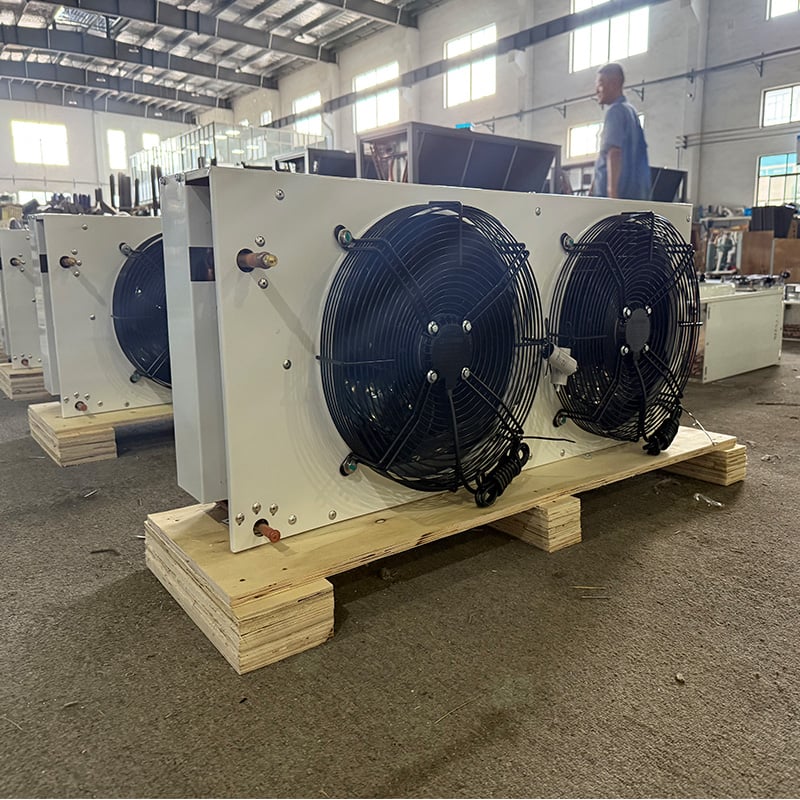
When selecting a refrigeration condenser, several key specifications should be considered:
Material: The material used in the condenser affects its durability and performance. Common materials include copper and aluminum, each with its own benefits. Copper offers superior thermal conductivity, while aluminum is lighter and more resistant to corrosion.
Dimensions: Ensure the dimensions of the condenser fit your application. Incorrect sizing can lead to inefficiencies and increased energy costs.
Cooling Capacity: Evaluate the cooling capacity based on your specific application needs. This metric indicates how effectively the condenser can dissipate heat.
Design Type: Consider whether you need air-cooled or water-cooled condensers depending on your cooling system setup.
Efficiency Rating: Look for condensers with high energy efficiency ratings to minimize operational costs. For example, the H Type Condensing Units are known for their efficiency.
Understanding these specifications helps ensure that the selected condenser aligns with performance needs and application requirements, reducing the risk of operational issues.
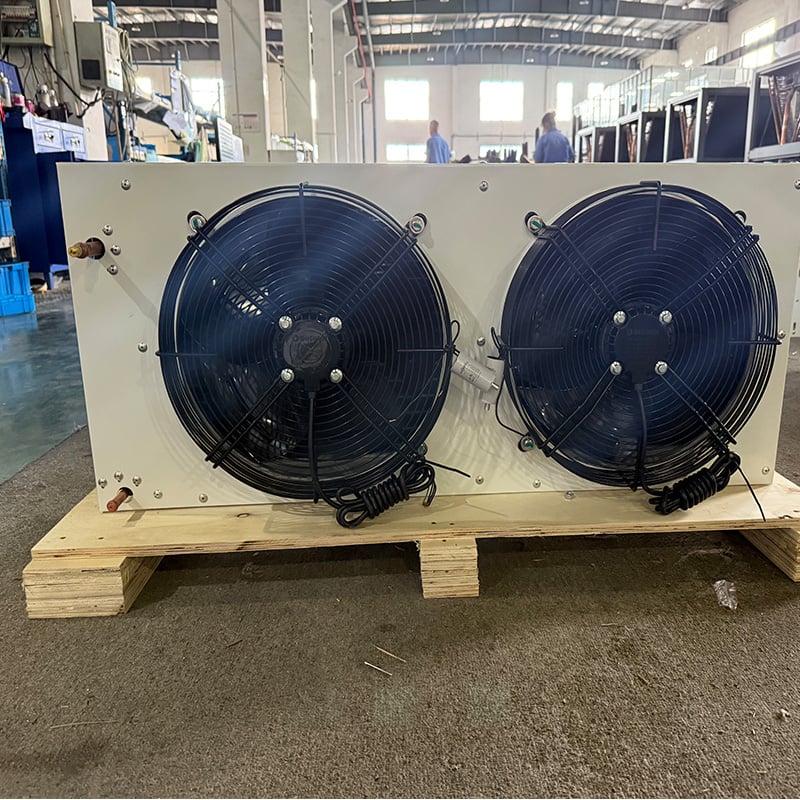
When purchasing refrigeration condensers in bulk, several cost factors must be taken into account:
Material Costs: The type of material significantly influences the price. Copper condensers are generally more expensive than aluminum due to their superior performance.
Customization: If your application requires specific modifications or custom designs, expect additional costs. Customization can include changes in size, shape, or material.
Minimum Order Quantity (MOQ): Be aware of the supplier's MOQ, as this can impact your initial investment. Bulk purchases often lead to lower per-unit costs but require upfront capital.
Shipping and Handling: Factor in shipping costs, especially if the supplier is located overseas. Consider the implications of import tariffs and logistics on overall expenses.
Quality Assurance: Investing in quality control measures can prevent costly future repairs or replacements. Ensure that your selected supplier has robust quality assurance processes.
By evaluating these factors, buyers can better understand the total cost of ownership and make more strategic purchasing decisions.
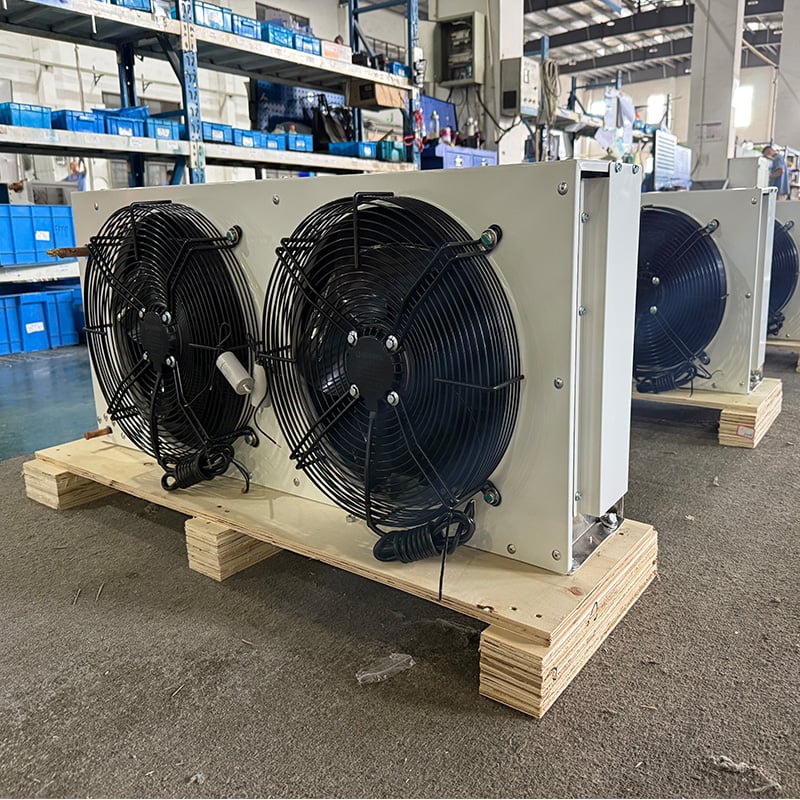
Refrigeration condensers are utilized across various industries, each demanding specific performance characteristics. Common applications include:
Food and Beverage: In commercial refrigeration units, condensers are essential for preserving food quality and safety. High efficiency and durability are crucial due to the continuous operation of these systems.
HVAC Systems: In heating, ventilation, and air conditioning, condensers play a vital role in maintaining optimal temperatures in commercial and industrial settings.
Pharmaceuticals: Condensers are critical in maintaining the integrity of temperature-sensitive products, requiring high precision and reliability.
Chemical Processing: In this sector, condensers must withstand harsh chemicals and extreme temperatures, necessitating robust materials and designs.
Understanding the specific application requirements helps buyers choose condensers that deliver optimal performance while adhering to industry standards and regulations.
A modern factory space that covers more than 40000 square meters, it is able to meet the vast majority of the EMTH production requirements.
Special docking is available for a complete system of service. It includes creation of plans, Ice cube machine, landing plans, and after-sales support.
With a strong name in the industry, and over 3,000+ clients served, EMTH EMTH is a trustworthy and reliable supplier who has been recognized by other customers.
We have more than 20 years of experience and an experienced R&D EMTH.

Welcome to EMTH, a cold storage refrigeration equipment specialist in China! We offer innovative and effective cold storage solutions, including cold storage, evaporator, condensing unit and ice machine.
Room 304-305B, Building 5, BESHINE B.P, No. 559Zhuyuan Road, Minhang District 201112, Shanghai, China
Copyright © Shanghai EMTH Import & Export Co., Ltd. All Rights Reserved. - Privacy Policy
 EN
 AR
 BG
 HR
 CS
 DA
 NL
 FI
 FR
 DE
 EL
 IT
 JA
 KO
 NO
 PL
 PT
 RO
 RU
 ES
 TL
 IW
 ID
 LT
 SR
 VI
 HU
 TH
 MS
 AZ
 JW
 LO
 MN
 SO
 MY
 KK
 TG
 UZ
 GD
 XH