Air cooled condensers are critical components in refrigeration systems, responsible for dissipating heat and maintaining optimal operational efficiency. As a B2B buyer, you may have concerns regarding specifications, compatibility, performance, and sourcing. This article aims to provide you with a comprehensive understanding of air cooled condenser specifications, selection criteria, and practical tips for sourcing, ensuring you make informed purchasing decisions for your refrigeration projects.
When sourcing air cooled condensers, understanding their specifications is essential. Key specifications to consider include cooling capacity, airflow rate, and physical dimensions. Cooling capacity, measured in BTUs or kilowatts, indicates the amount of heat the condenser can dissipate. It's crucial to match this capacity to your refrigeration system's requirements to ensure efficient operation.
Airflow rate, typically measured in cubic feet per minute (CFM), affects how well the condenser can expel heat. An inadequate airflow can lead to overheating, reducing system efficiency and lifespan. Physical dimensions are also vital; ensure that the condenser fits within your installation space without obstructing airflow or maintenance access.
Material selection impacts durability and performance. Common materials include aluminum and copper, with aluminum being lightweight and resistant to corrosion, making it ideal for outdoor applications. Copper, while heavier, offers excellent thermal conductivity. Understanding these specifications will help you select a condenser that meets your operational requirements and environmental conditions, especially when considering additional Refrigeration Accessories that may be needed for optimal performance.
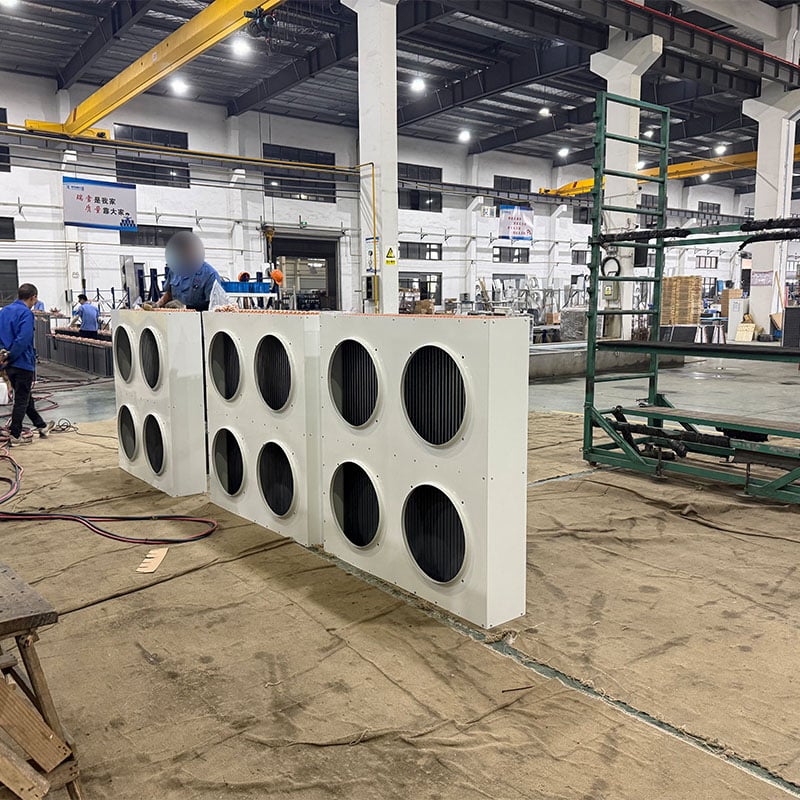
Selecting the right air cooled condenser involves several factors, including application requirements, climate conditions, and energy efficiency. Begin by assessing the specific refrigeration needs of your project—what type of products will you be cooling, and what temperature ranges must be maintained?
Next, consider the climate of your installation site. For example, in hotter climates, a condenser with a higher cooling capacity and robust airflow design would be necessary to ensure efficiency. Additionally, energy efficiency ratings such as EER (Energy Efficiency Ratio) or SEER (Seasonal Energy Efficiency Ratio) should be evaluated. A higher rating indicates a more energy-efficient unit, potentially leading to significant cost savings over time. To enhance energy efficiency, consider integrating components like an Evaporator that works in tandem with your air cooled condenser.
Customization capabilities are also a critical consideration. Many manufacturers, including Shanghai EMTH, offer customization options to meet specific project needs, such as tailored dimensions or additional features like sound attenuation or enhanced corrosion resistance. Be sure to discuss these options with your supplier to ensure that the chosen condenser aligns with your operational goals.
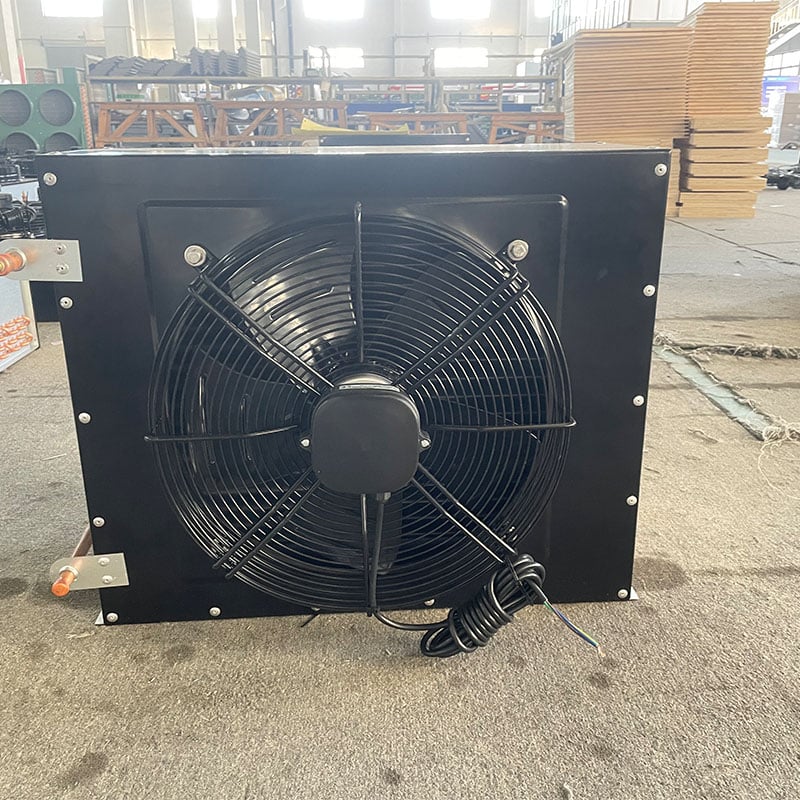
Importing air cooled condensers requires careful planning and attention to detail. Start by identifying reputable manufacturers or suppliers with a proven track record in the refrigeration industry. Verify their credentials, including experience, certifications, and customer testimonials.
Request samples before committing to a bulk order. Testing a sample unit allows you to assess its performance and compatibility with your existing systems. Pay close attention to quality control processes during manufacturing, as this can significantly affect product reliability.
Understanding the terms of shipping and delivery is crucial. Confirm lead times, minimum order quantities (MOQ), and packaging standards to ensure that your order is delivered on time and in good condition. Proper packaging protects the condenser from damage during transit, which is particularly important for sensitive components.
Lastly, maintain open communication with your supplier throughout the sourcing process. Establishing a strong relationship can facilitate smoother transactions and better support for any future needs.
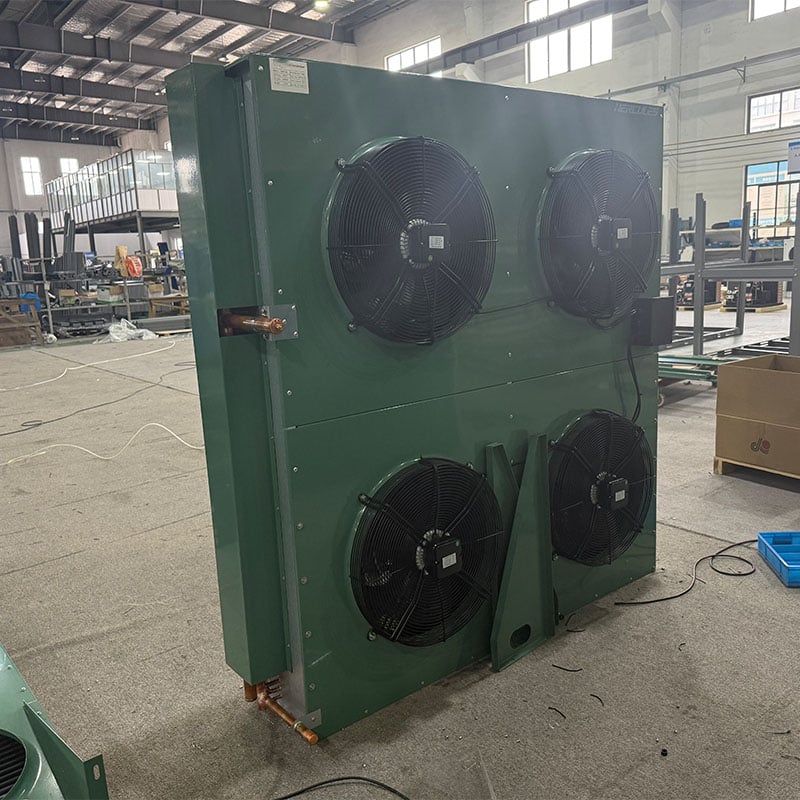
When placing bulk orders for air cooled condensers, various cost factors come into play. While unit price is a primary consideration, it’s essential to evaluate the total cost of ownership, which includes shipping, handling, installation, and maintenance expenses.
Bulk orders often come with discounts, but don’t overlook the impact of shipping costs, especially if importing from overseas. Ensure you account for customs duties and tariffs, which can significantly affect your overall budget.
Additionally, consider the long-term costs associated with energy consumption. Investing in a more efficient condenser with a slightly higher upfront cost can lead to substantial savings in energy bills over its lifespan. Factor in warranty and support services as well, as these can impact your operational costs and peace of mind.
More than 20 years of' experience and an experienced R&D EMTH team.
With a strong reputation in the field and over 3,000+ customers served, EMTH EMTH is a trustworthy known and dependable supplier that has been acknowledged by other clients.
A modern factory of over 40000 square meters is in place to meet the majority of the EMTH production needs.
Special docking is available for a complete system of service. It includes creation of plans, Ice cube machine, landing plans, and after-sales support.

Welcome to EMTH, a cold storage refrigeration equipment specialist in China! We offer innovative and effective cold storage solutions, including cold storage, evaporator, condensing unit and ice machine.
Room 304-305B, Building 5, BESHINE B.P, No. 559Zhuyuan Road, Minhang District 201112, Shanghai, China
Copyright © Shanghai EMTH Import & Export Co., Ltd. All Rights Reserved. - Privacy Policy
 EN
 AR
 BG
 HR
 CS
 DA
 NL
 FI
 FR
 DE
 EL
 IT
 JA
 KO
 NO
 PL
 PT
 RO
 RU
 ES
 TL
 IW
 ID
 LT
 SR
 VI
 HU
 TH
 MS
 AZ
 JW
 LO
 MN
 SO
 MY
 KK
 TG
 UZ
 GD
 XH