Small refrigeration units are essential components for businesses that require efficient cooling solutions. These compact systems are widely used in various industries, including food and beverage, pharmaceuticals, and manufacturing. As a purchasing manager or buyer, your main concerns may revolve around product specifications, performance, reliability, and the reputation of the manufacturer. This article aims to guide you in evaluating small refrigeration units, comparing options for bulk orders, and understanding the key specifications that influence their performance in diverse applications.
When comparing small refrigeration units for bulk orders, it’s crucial to consider several factors that can affect both performance and cost. Start by evaluating the intended application of the refrigeration unit. Will it be used for cold storage, display, or process cooling? Each application may require different specifications, such as temperature range, cooling capacity, and energy efficiency. For instance, Cold Room applications often demand specific capabilities to maintain optimal conditions.
Next, assess the manufacturer's reputation and experience in the industry. A company with over 20 years of experience, like Shanghai EMTH, typically has established quality control processes and technical expertise. Verify if they hold patents or certifications that may indicate innovation and reliability in their products.
Additionally, consider the following when making comparisons:
Performance Specifications: Check the cooling capacity (measured in BTUs or kilowatts), temperature range, and energy efficiency ratings (such as EER or SEER).Customization Options: Determine if the manufacturer can provide customized solutions that meet your specific requirements, such as Compressor For Refrigeration Tools And Equipment.Minimum Order Quantity (MOQ): Understand the MOQ and if it aligns with your purchasing needs.Lead Time: Inquire about production and delivery timelines, especially if you have tight deadlines.By taking these factors into account, you can make a more informed decision when sourcing small refrigeration units for bulk orders.
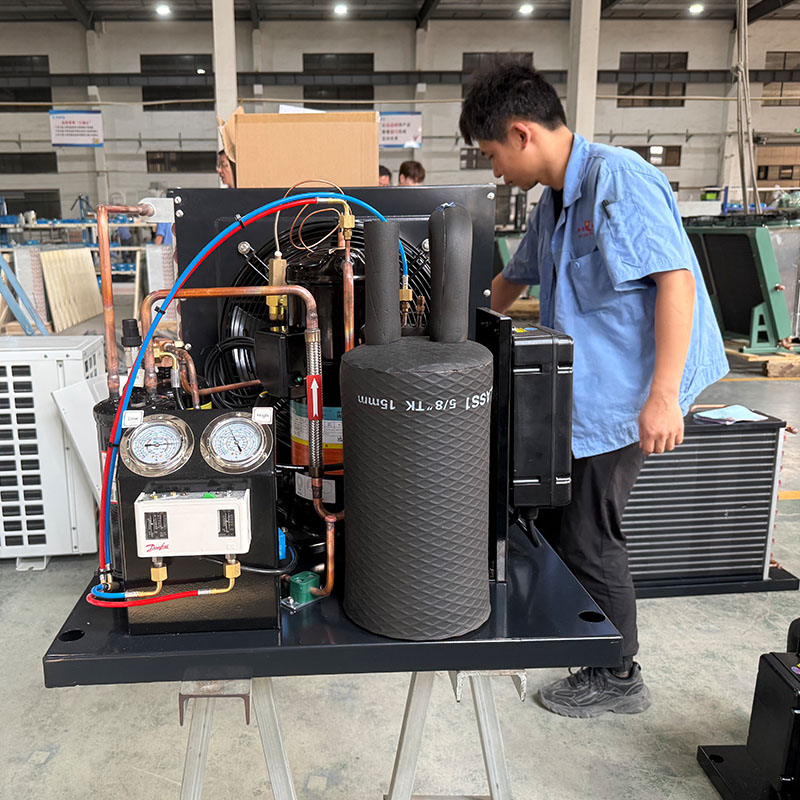
When selecting a small refrigeration unit, specific specifications play a critical role in determining the product's suitability and efficiency. Here are key specifications to evaluate:
Cooling Capacity: Measured in BTUs or kilowatts, this specification indicates the amount of heat the unit can remove from a space. Ensure it aligns with your cooling requirements.
Temperature Range: Different applications have varying temperature needs. Confirm that the refrigeration unit can maintain the required temperature range consistently.
Energy Efficiency: Look for units with high energy efficiency ratings (EER or SEER). Efficient units reduce operational costs and contribute to environmental sustainability.
Compressor Type: The type of compressor affects performance and noise levels. Consider whether a scroll, reciprocating, or rotary compressor suits your application best. For example, Bitzer Condensing Unit is known for its reliability in various applications.
Dimensions and Weight: Ensure the unit fits within your designated space and can be easily installed.
Material and Build Quality: Assess the materials used in construction, as they impact durability and resistance to corrosion, especially in demanding environments.
Understanding these specifications helps buyers evaluate the performance and suitability of small refrigeration units for their specific applications.
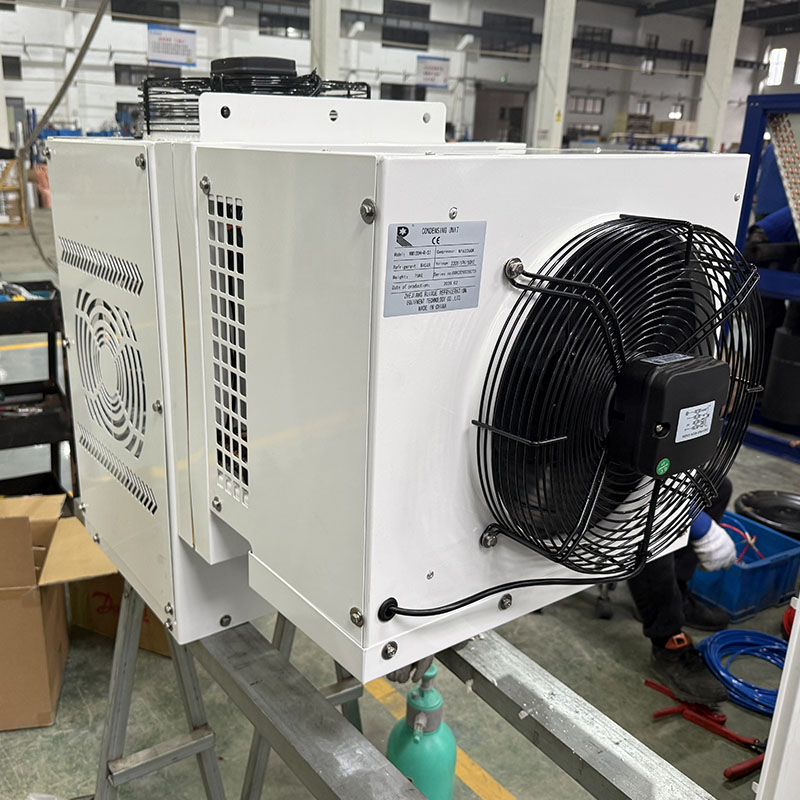
Small refrigeration units find applications across a wide range of industries. Their versatility stems from their ability to adapt to various cooling needs. Here are some common applications:
Food and Beverage Industry: Used in restaurants, supermarkets, and catering services for storing perishable goods, ensuring that food remains fresh and safe for consumption.
Pharmaceuticals: Critical in hospitals and laboratories for storing vaccines, medicines, and other temperature-sensitive products that require strict temperature control.
Manufacturing: Employed in processes such as cooling in injection molding or maintaining optimal temperatures in assembly lines.
Transportation: Essential for refrigerated trucks and shipping containers, ensuring goods remain at safe temperatures during transit.
Commercial Spaces: Used in retail environments for display cases, helping to attract customers while ensuring product quality.
These diverse applications highlight the importance of selecting the right small refrigeration unit for specific industry needs.
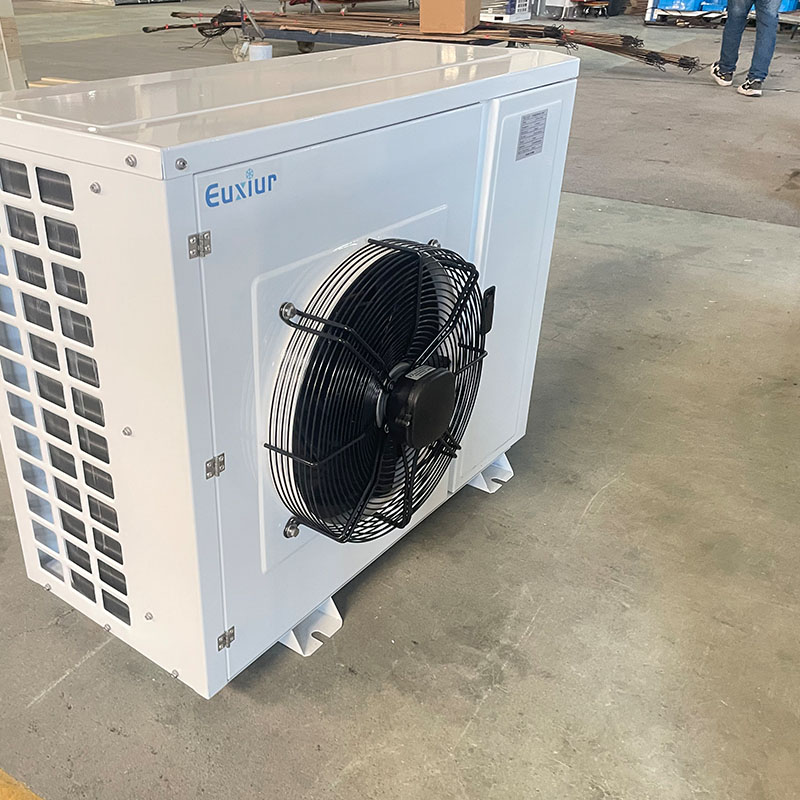
Small refrigeration units can experience a range of issues that may affect performance. Being aware of common problems allows buyers to take proactive measures. Here are some solutions:
Inadequate Cooling: If a unit fails to cool effectively, check the refrigerant levels, ensuring they are within the recommended range. Additionally, inspect air filters for blockages, which can impede airflow.
Noise Issues: Excessive noise can be a sign of mechanical problems. Regular maintenance, such as lubricating moving parts and checking for loose components, can mitigate this issue.
Frost Build-Up: Frost can accumulate if the unit is not defrosting properly. Confirm that the defrost timer and heater are functioning correctly, and ensure the door seals are intact to prevent warm air from entering.
Energy Inefficiency: If operational costs are higher than expected, assess the unit’s energy efficiency rating and consider upgrading to a more efficient model.
By understanding these common problems and their solutions, buyers can maintain the longevity and efficiency of their small refrigeration units.
With a good reputation in the industry and more than 3,000 clients who have been served, Condensing unit is a trustworthy established supplier that has been recognized by other customers.
Complete service program, from formulating of plans to the production and Ice maker for under counter, to after-sales service, there are specific docking.
A modern plant of over 4000 square meters is in operation to meet the majority Ice maker for commercial production requirements.
After more than 20 years of expertise, we've got full sales and production and after-sales process with more than 20 patent certificates and a skilled R&D EMTH team.

Welcome to EMTH, a cold storage refrigeration equipment specialist in China! We offer innovative and effective cold storage solutions, including cold storage, evaporator, condensing unit and ice machine.
Room 304-305B, Building 5, BESHINE B.P, No. 559Zhuyuan Road, Minhang District 201112, Shanghai, China
Copyright © Shanghai EMTH Import & Export Co., Ltd. All Rights Reserved. - Privacy Policy
 EN
 AR
 BG
 HR
 CS
 DA
 NL
 FI
 FR
 DE
 EL
 IT
 JA
 KO
 NO
 PL
 PT
 RO
 RU
 ES
 TL
 IW
 ID
 LT
 SR
 VI
 HU
 TH
 MS
 AZ
 JW
 LO
 MN
 SO
 MY
 KK
 TG
 UZ
 GD
 XH