Small cold room refrigeration units are essential for businesses that require efficient temperature control for perishable goods. These units are designed for use in various industries, including food service, pharmaceuticals, and logistics. Buyers often have concerns about specifications, energy efficiency, reliability, and service support. This article aims to provide a comprehensive understanding of small cold room refrigeration units, covering key specifications, purchasing tips, common problems, and real-world applications to help you make informed decisions.
When evaluating small cold room refrigeration units, several key specifications will affect their performance and suitability for specific applications:
Cooling Capacity: Measured in BTUs (British Thermal Units) or kilowatts, this specification indicates how much heat the unit can remove within an hour. It’s essential to select a unit with an appropriate cooling capacity to maintain the desired temperature for your goods. Oversized units can lead to inefficient energy usage while undersized units may fail to keep items at the required temperature.
Refrigerant Type: Common refrigerants include R-134a, R-404A, and R-410A. Each has its environmental impact and efficiency level. For instance, R-410A is known for its energy efficiency and lower environmental impact compared to older refrigerants. Understanding the type of refrigerant used can help in assessing long-term operational costs and environmental compliance.
Temperature Range: Depending on the items being stored, units may need to operate within specific temperature ranges. Ensure the unit can maintain temperatures suited for your specific application, whether it's for fresh produce, frozen goods, or sensitive pharmaceuticals.
Energy Efficiency: Look for models with high Energy Efficiency Ratio (EER) or Seasonal Energy Efficiency Ratio (SEER) ratings. Higher ratings indicate better energy savings, which can significantly reduce operational costs over time.
Dimensions and Capacity: The physical size and internal storage capacity of the unit are crucial. Ensure that the unit fits within your designated space and meets your storage volume requirements without compromising airflow.
Build Quality and Materials: Units constructed from durable, corrosion-resistant materials will last longer and require less maintenance. Look for stainless steel or coated materials that can handle the demands of a cold storage environment. For example, the Bitzer Condensing Unit is known for its robust construction and reliability.
Understanding these specifications will help you align your needs with the right small cold room refrigeration unit.
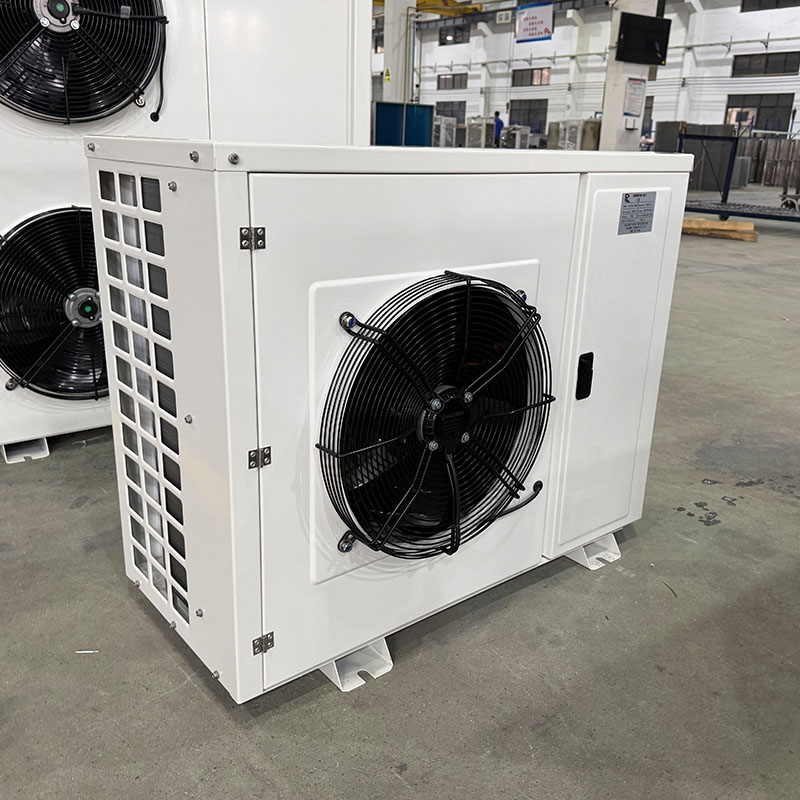
When purchasing small cold room refrigeration units in bulk, consider the following tips to ensure a smooth procurement process:
Request Detailed Quotations: Provide suppliers with detailed specifications and application requirements. This will ensure the quotations you receive are accurate and reflect your specific needs. Include information like required capacity, dimensions, energy efficiency preferences, and any customization requests.
Minimum Order Quantity (MOQ): Understand the supplier’s MOQ terms. This may affect your purchasing decisions, especially if you are testing a new unit type. Some manufacturers may allow lower MOQs for first-time buyers or sample orders.
Lead Time and Availability: Confirm the lead times for production and delivery. This is crucial for planning your stock levels and ensuring that your refrigeration needs are met without interruption.
Quality Assurance Processes: Inquire about the supplier’s quality control measures. Look for certifications and testing protocols to ensure that the units meet industry standards. A reliable supplier should provide details about their quality assurance processes.
Customization Options: If your application has specific requirements, discuss customization options with the manufacturer. This may include alterations in size, additional features, or specific materials that can enhance the unit's performance. For instance, you might consider a YH Type Condenser if your needs require specific cooling configurations.
Warranty and After-Sales Support: Understand the warranty terms and what after-sales support is available. Reliable support can save time and costs in case of unit malfunctions.
By being thorough in your purchasing approach, you can secure the best units that meet your operational needs.
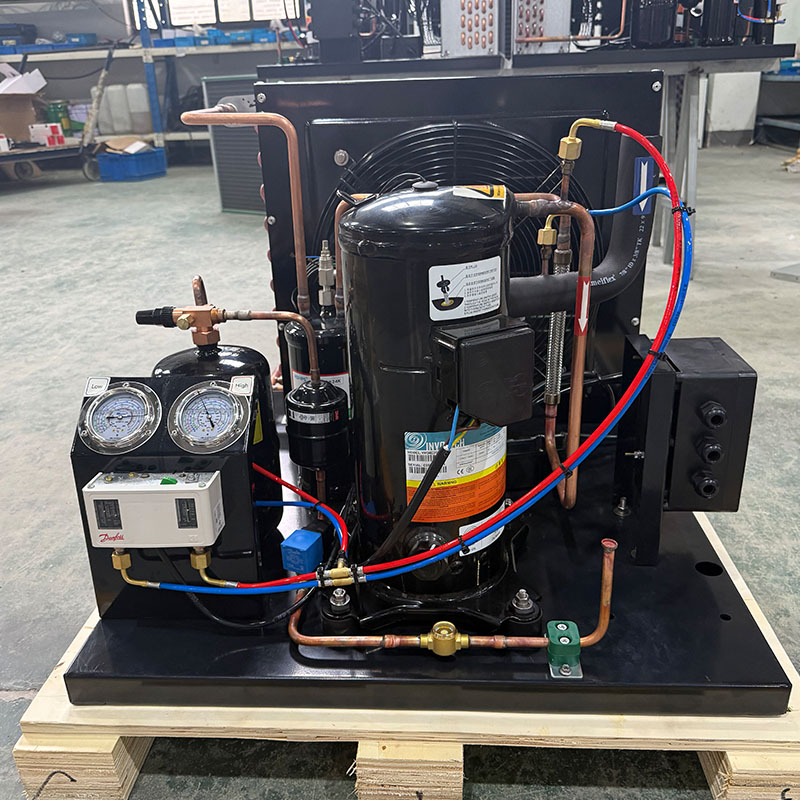
When shopping for small cold room refrigeration units, focus on these critical factors to ensure you select the right model for your application:
Energy Consumption: Look for units that are designed for energy efficiency. The initial investment may be higher for energy-efficient models, but they will save costs in the long run through reduced energy bills.
Noise Levels: Depending on your operational setting, consider the noise output of the unit. Some models are designed to operate quietly, which is important in environments like restaurants or hospitals.
Ease of Maintenance: Units with accessible components for cleaning and servicing will save time and labor costs. Look for features like removable panels and easy-to-access filters.
User Interface: A clear and intuitive control panel can simplify operation and reduce the likelihood of user error. Look for models with digital displays and programmable settings.
Safety Features: Evaluate safety features such as automatic shut-off mechanisms, alarms for temperature fluctuations, and adequate insulation to prevent condensation.
By focusing on these aspects, you can enhance the reliability and efficiency of your refrigeration operations.
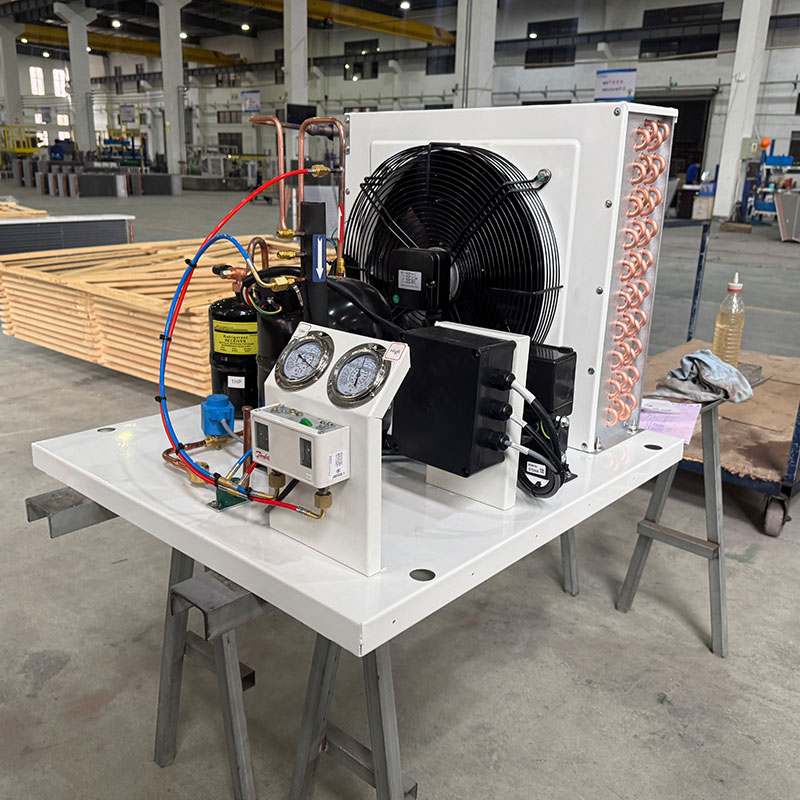
Understanding common issues that may arise with small cold room refrigeration units can help you mitigate downtime. Here are a few typical problems and their solutions:
Temperature Fluctuations: If the unit cannot maintain the desired temperature, check the thermostat settings and ensure the unit is properly sized for your storage needs. Inadequate insulation or door seals may also cause temperature instability. Regularly inspect and replace worn seals to maintain efficiency.
Excessive Noise: Unusual noises can indicate mechanical issues. Common causes include loose components, damaged fans, or failing compressors. Regular maintenance checks can help identify and rectify these problems early.
Frost Build-up: If frost or ice accumulates inside the unit, it may hinder airflow and cooling performance. This can be caused by humidity entering the unit or malfunctioning defrost cycles. Regular defrosting and ensuring that door seals are intact can help prevent this issue.
Power Failures: Inconsistent power supply can lead to temperature rises that may compromise stored goods. Consider investing in a backup power source or surge protector to mitigate this risk.
Leaking Refrigerant: If you notice a decline in cooling performance, it may indicate a refrigerant leak. This requires immediate professional attention, as low refrigerant levels can damage the compressor.
By being proactive in maintenance and addressing issues quickly, you can maximize the operational lifespan of your refrigeration units.
Complete service program, from formulating of plans to the production and Cooling room, to after-sales service, there are specific docking.
EMTH EMTH has a solid track record in the field, with over 3,000+ happy customers.
More than 20 years of' experience and an experienced R&D EMTH team.
A modern factory of over 40000 square meters is in place to meet the majority of the EMTH production needs.

Welcome to EMTH, a cold storage refrigeration equipment specialist in China! We offer innovative and effective cold storage solutions, including cold storage, evaporator, condensing unit and ice machine.
Room 304-305B, Building 5, BESHINE B.P, No. 559Zhuyuan Road, Minhang District 201112, Shanghai, China
Copyright © Shanghai EMTH Import & Export Co., Ltd. All Rights Reserved. - Privacy Policy
 EN
 AR
 BG
 HR
 CS
 DA
 NL
 FI
 FR
 DE
 EL
 IT
 JA
 KO
 NO
 PL
 PT
 RO
 RU
 ES
 TL
 IW
 ID
 LT
 SR
 VI
 HU
 TH
 MS
 AZ
 JW
 LO
 MN
 SO
 MY
 KK
 TG
 UZ
 GD
 XH