A condenser unit for cold storage rooms is a crucial component in maintaining optimal refrigeration temperatures for perishable goods. Understanding the specifications and features of these units can significantly influence their performance and efficiency. B2B buyers, including purchasing managers and engineers, often seek reliable solutions that align with their specific refrigeration needs. This article will guide you through essential specifications, selection criteria, installation guidelines, cost considerations, and the advantages of choosing our condenser units for your cold storage applications.
When evaluating a condenser unit for cold storage, several key specifications are vital to ensure optimal performance. First, consider the cooling capacity, which is typically measured in BTUs or kilowatts. This specification directly correlates with the volume of cold storage space; selecting a unit with insufficient capacity can lead to inadequate cooling, affecting product integrity.
Next, the type of refrigerant used is essential. Modern condenser units often utilize environmentally friendly refrigerants, such as R-410A or R-134A, which offer improved efficiency and lower environmental impact. Additionally, check the unit's operating temperature range to ensure it aligns with the requirements of your cold storage application. Units designed for extreme conditions may have enhanced insulation and more robust components to withstand rigorous environments.
Another important specification is the energy efficiency ratio (EER) or coefficient of performance (COP). A higher EER or COP indicates a more efficient unit, which can lead to reduced operational costs over time. Ensure that the condenser unit meets local energy regulations or certifications, which can also affect its acceptance in specific markets. In this regard, our refrigeration accessories can enhance the overall efficiency of your system.
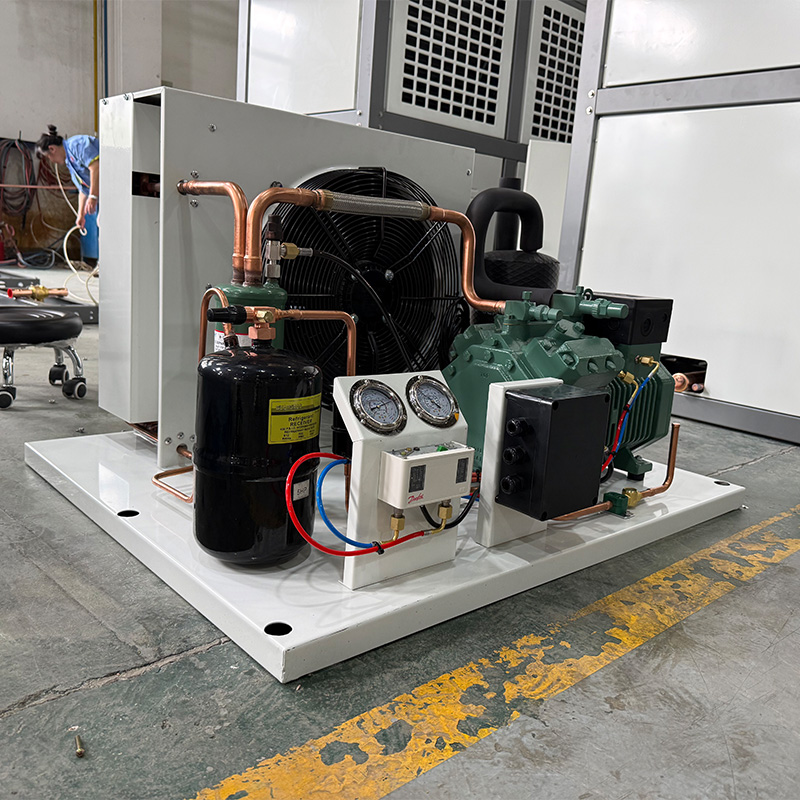
Choosing the right condenser unit involves understanding your specific cold storage requirements. Start by assessing the size and layout of your cold storage room. Consider the volume of goods to be stored and the desired temperature range, as these factors will determine the necessary cooling capacity.
Next, evaluate the location of the condenser unit. For outdoor installations, ensure the unit is designed to withstand environmental conditions such as rain, snow, or extreme temperatures. Indoor units should also be checked for compatibility with existing HVAC systems and airflow patterns to avoid hotspots.
Customization options are another consideration. Many manufacturers, including Shanghai EMTH, offer the ability to modify units based on unique specifications or space constraints. This could include variations in size, configuration, or even the integration of advanced controls for monitoring and efficiency.
Additionally, consider the maintenance requirements and ease of installation. Units that offer easy access to components for servicing can reduce downtime and maintenance costs. It’s beneficial to discuss these factors with your supplier to ensure you select a unit that aligns with your operational capabilities and maintenance practices.
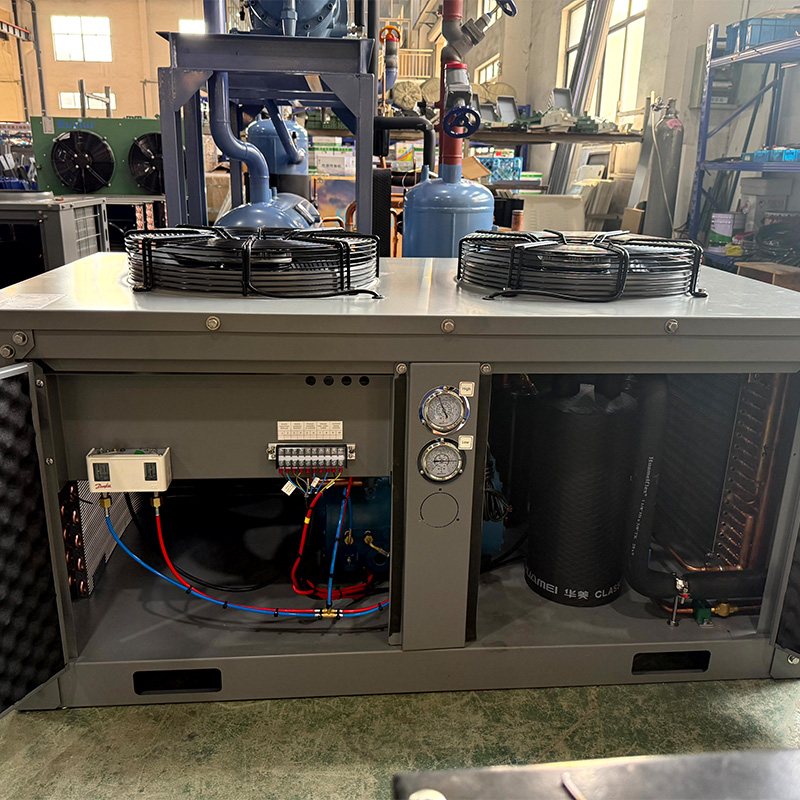
Proper installation of condenser units is crucial for optimal performance and longevity. Begin by ensuring that the installation site is level and appropriately sized to accommodate the unit. This helps in maintaining airflow and prevents overheating.
When connecting the condenser to the evaporator, adhere to the manufacturer’s guidelines for piping and insulation. Proper insulation of refrigerant lines is essential to minimize energy loss and prevent condensation in warmer environments. Additionally, ensure that the unit is placed away from heat sources and has adequate space for airflow around the condenser coils.
Before commissioning the unit, conduct a thorough inspection of all connections and components. Check for leaks in refrigerant lines and ensure that electrical connections are secure. Testing the system before full operation can help identify any issues that may affect performance.
Finally, provide training for your maintenance team on the operation and necessary routine checks for the condenser unit. Regular maintenance, such as cleaning coils and checking refrigerant levels, can extend the lifespan of the unit and improve efficiency.
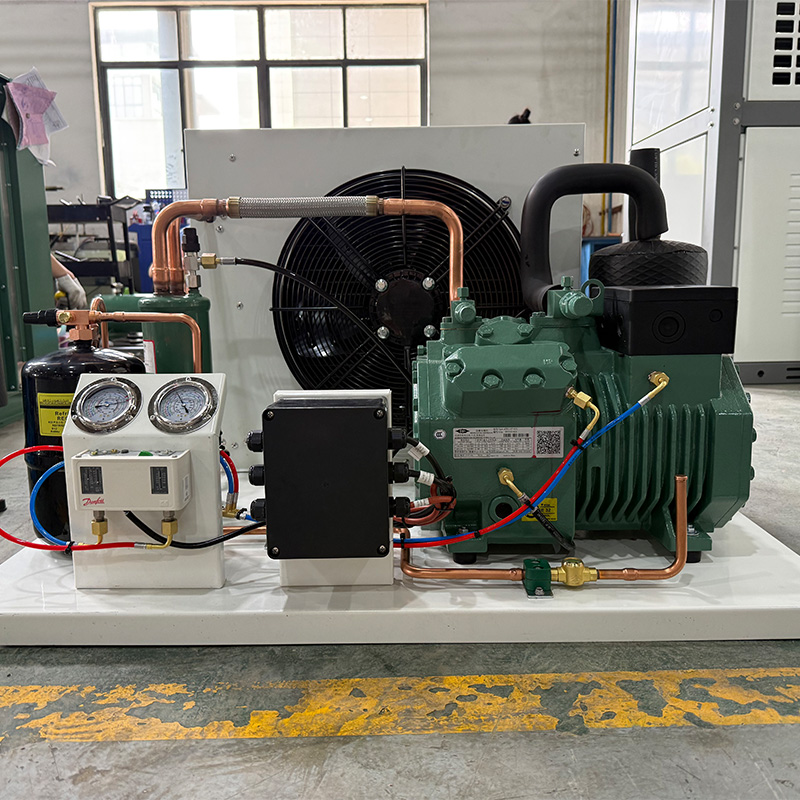
When comparing condenser units for cold storage, consider several cost factors beyond the initial purchase price. First, evaluate the energy consumption of each unit, as this will significantly impact your operational costs. Units with higher EER ratings typically have higher upfront costs but can lead to substantial savings in energy bills over time.
Additionally, assess the potential maintenance costs associated with each unit. Some models may require more frequent servicing or specialized parts, which can add to long-term expenses. Manufacturers with a strong reputation for reliability often have lower total cost of ownership.
Another critical factor is the warranty and service support offered by the manufacturer. A robust warranty can provide peace of mind and protect against unforeseen repair costs. Consider the availability of spare parts and technical support, as these factors can influence your overall satisfaction with the unit in the long run.
Lastly, factor in the potential for customization. While custom units may have a higher initial cost, they can lead to improved efficiency and performance tailored to your specific needs, potentially offsetting higher upfront costs with long-term gains.
A modern plant of over 4000 square meters is in operation to meet the majority Ice maker for commercial production requirements.
More than 20 years of' experience and an experienced R&D EMTH team.
With a good reputation in the industry and more than 3,000 clients who have been served, Condensing unit is a trustworthy established supplier that has been recognized by other customers.
Special docking is offered for a complete service. This includes the design of Coldrooms, production installation, landing projects, and after-sales support.

Welcome to EMTH, a cold storage refrigeration equipment specialist in China! We offer innovative and effective cold storage solutions, including cold storage, evaporator, condensing unit and ice machine.
Room 304-305B, Building 5, BESHINE B.P, No. 559Zhuyuan Road, Minhang District 201112, Shanghai, China
Copyright © Shanghai EMTH Import & Export Co., Ltd. All Rights Reserved. - Privacy Policy
 EN
 AR
 BG
 HR
 CS
 DA
 NL
 FI
 FR
 DE
 EL
 IT
 JA
 KO
 NO
 PL
 PT
 RO
 RU
 ES
 TL
 IW
 ID
 LT
 SR
 VI
 HU
 TH
 MS
 AZ
 JW
 LO
 MN
 SO
 MY
 KK
 TG
 UZ
 GD
 XH