Cold storage rooms are essential facilities designed to preserve perishable goods at controlled temperatures. As a B2B buyer, understanding the intricacies of cold storage solutions is crucial for making informed purchasing decisions. This article addresses key specifications, quality control, installation guidance, and material advantages, providing insights that help purchasing managers, engineers, and distributors select the right cold storage room for their needs.
When sourcing cold storage rooms, several specifications are vital to ensure optimal performance and suitability for intended applications. Key factors include:
Temperature Range: Different products require varying temperature levels. For example, a cold storage room for fruits may need to maintain temperatures between 0°C to 4°C, while pharmaceutical storage might require even stricter controls. Confirm the required temperature range according to the products you plan to store.
Insulation Thickness: Adequate insulation minimizes energy costs and maintains internal temperatures. The recommended thickness often ranges from 10 cm to 20 cm, depending on the climate and application. Insufficient insulation can lead to temperature fluctuations, impacting product integrity.
Dimensions and Layout: Assess the available space for the cold room and how it will fit into your logistics. Proper planning of dimensions ensures efficient use of space and facilitates easy access for workers and equipment.
Humidity Control: Maintaining optimal humidity levels is crucial for certain products, particularly fresh produce. Evaluate whether the cold storage room includes humidity control features, such as humidistats or evaporative cooling systems.
Load Capacity: Understanding the maximum load capacity is essential. This includes not just the static load but also dynamic loads during operation. Verify that the structure can support the weight of the products you intend to store.
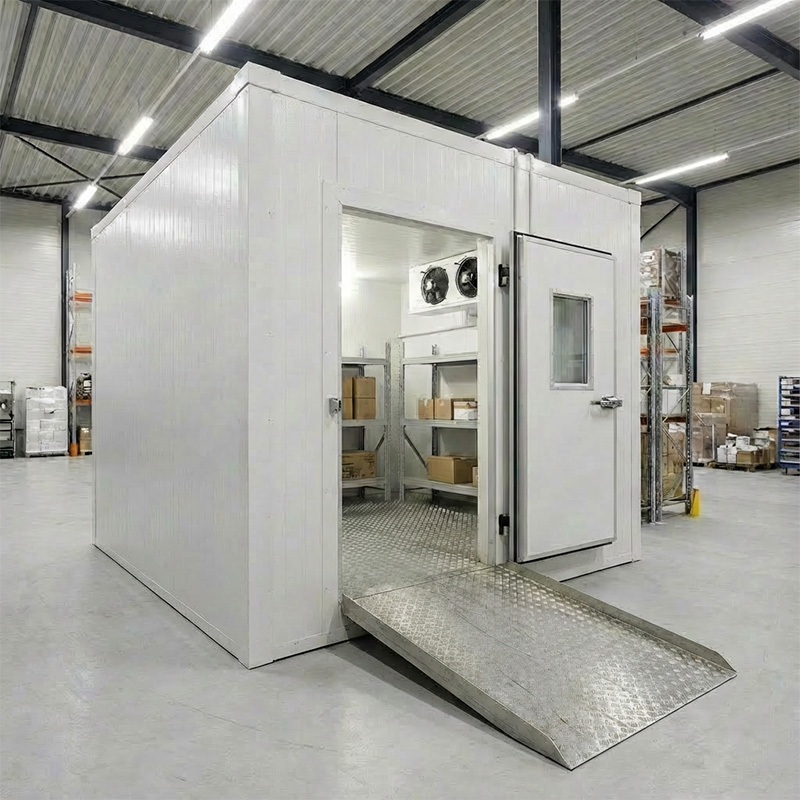
For importers and distributors, sourcing wholesale cold storage rooms provides an opportunity for significant cost savings. When evaluating options, consider:
Customization: Many manufacturers, like Shanghai EMTH, offer customization options to meet specific requirements. Discussing your needs can lead to tailored solutions that better fit your operational workflow. For example, consider options like the Bitzer Condensing Unit for enhanced temperature control.
Packaging and Shipping: Understand the packaging methods used for transporting cold rooms. Efficient packaging can reduce damage during transit and ease installation. Also, inquire about shipping options and lead times to align with your inventory management.
Minimum Order Quantities (MOQ): Different suppliers have varying MOQs. Ensure that these align with your purchasing strategy. A supplier that offers flexible MOQs can be advantageous for smaller operations or pilot projects.
Bulk Pricing Factors: Negotiate pricing structures based on volume. Larger orders often come with discounts, allowing importers and distributors to maximize their margins.

Quality control is paramount in manufacturing cold storage rooms to ensure durability and compliance with industry standards. Key measures include:
Material Selection: High-quality materials resist corrosion and ensure longevity. For example, stainless steel is often preferred for its durability and hygienic properties. Understanding the materials used in construction helps assess the quality and suitability for specific applications, such as using Refrigerator spare parts compressors for improved efficiency.
Production Processes: Manufacturers should employ rigorous production processes, including quality inspections throughout manufacturing stages. Engaging with suppliers about their quality systems can provide assurance of product reliability.
Certifications: Verify if the manufacturer holds relevant certifications, such as ISO standards, which indicate adherence to international quality management principles. Certifications can serve as a benchmark for assessing a manufacturer’s credibility.
Testing Protocols: Inquire about testing protocols for temperature control systems and insulation effectiveness. Comprehensive testing ensures that the rooms will perform as expected under operational conditions.
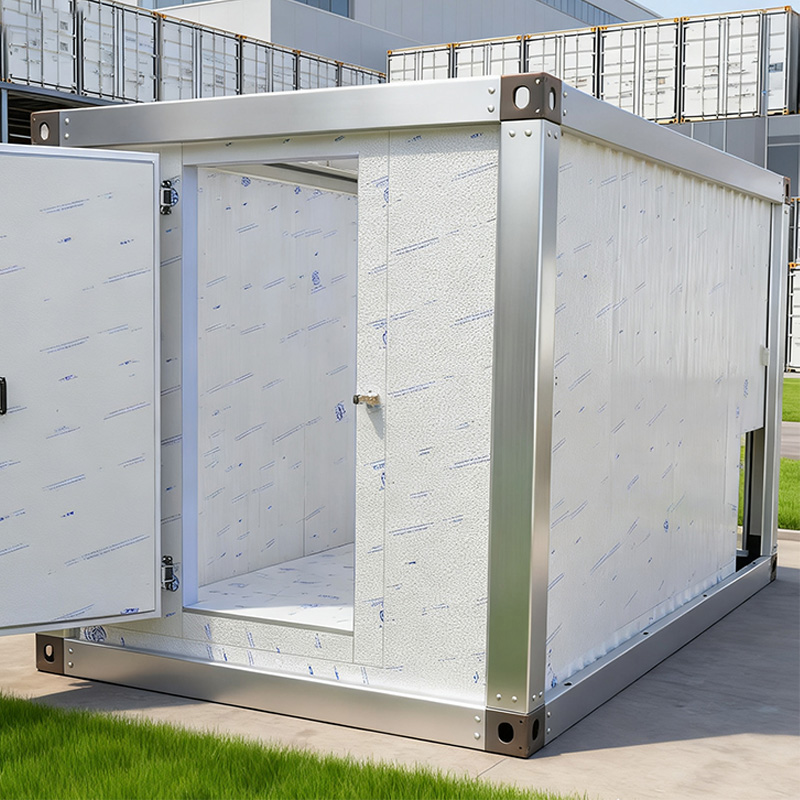
Proper installation of cold storage rooms is critical for maximizing efficiency and performance. Here are some guidelines:
Site Preparation: Ensure the site is level and structurally sound to support the cold room. Any discrepancies in the foundation can lead to operational inefficiencies and increased wear over time.
Electrical and Plumbing Requirements: Assess the electrical load requirements and ensure sufficient plumbing for any cooling or condensation systems. Consulting with an engineer during the planning stages can help mitigate potential installation challenges.
Insulation Installation: Follow manufacturer guidelines for installing insulation panels. Proper sealing is crucial to maintain temperature integrity and minimize energy loss.
Final Checks: Before putting the cold room into operation, conduct thorough checks on all systems, particularly the cooling units, to ensure they function correctly and meet the specified temperature ranges.
EMTH has a long-standing track record of success in the industry with more than 3,000 satisfied customers.
We have more than 20 years of experience and a highly skilled R&D EMTH staff.
A modern factory space that covers more than 40000 square meters, it is able to meet the vast majority of the EMTH production requirements.
Special docking is offered for a complete service. This includes the design of Commercial ice maker, production installation, landing projects, and after-sales support.

Welcome to EMTH, a cold storage refrigeration equipment specialist in China! We offer innovative and effective cold storage solutions, including cold storage, evaporator, condensing unit and ice machine.
Room 304-305B, Building 5, BESHINE B.P, No. 559Zhuyuan Road, Minhang District 201112, Shanghai, China
Copyright © Shanghai EMTH Import & Export Co., Ltd. All Rights Reserved. - Privacy Policy
 EN
 AR
 BG
 HR
 CS
 DA
 NL
 FI
 FR
 DE
 EL
 IT
 JA
 KO
 NO
 PL
 PT
 RO
 RU
 ES
 TL
 IW
 ID
 LT
 SR
 VI
 HU
 TH
 MS
 AZ
 JW
 LO
 MN
 SO
 MY
 KK
 TG
 UZ
 GD
 XH