When considering the purchase of a walk-in cold room, understanding the price is crucial for B2B buyers. Walk-in cold rooms are essential for industries such as food storage, pharmaceuticals, and chemicals, where temperature control is vital. Buyers typically focus on factors like specifications, quality, and customization when evaluating walk-in cold room prices. This article will guide you through essential considerations, helping you make an informed purchasing decision.
Evaluating walk-in cold room prices involves understanding several key factors that can influence total costs. First, consider the size and capacity of the cold room. Larger units will naturally cost more, but the specific dimensions should align with your storage needs. Additionally, the type of insulation materials used can significantly impact pricing. High-quality insulation is crucial for energy efficiency, which can lead to lower operating costs over time.
Another critical aspect is the refrigeration system. Different systems may come with varying price points based on their efficiency and technology. For instance, a more advanced system with better temperature control may have a higher upfront cost but could save money in energy consumption in the long run. Additionally, installation costs should be factored into your budget. These costs can vary depending on the complexity of the installation and whether any modifications to existing structures are required. If you are looking for efficient refrigeration solutions, consider options like the Bitzer Condensing Unit for reliable performance.
Finally, consider the manufacturer's reputation and warranty offerings. A reliable manufacturer, like Shanghai EMTH, which specializes in refrigeration equipment and offers comprehensive service, may charge more but can provide peace of mind in terms of product quality and after-sales support.
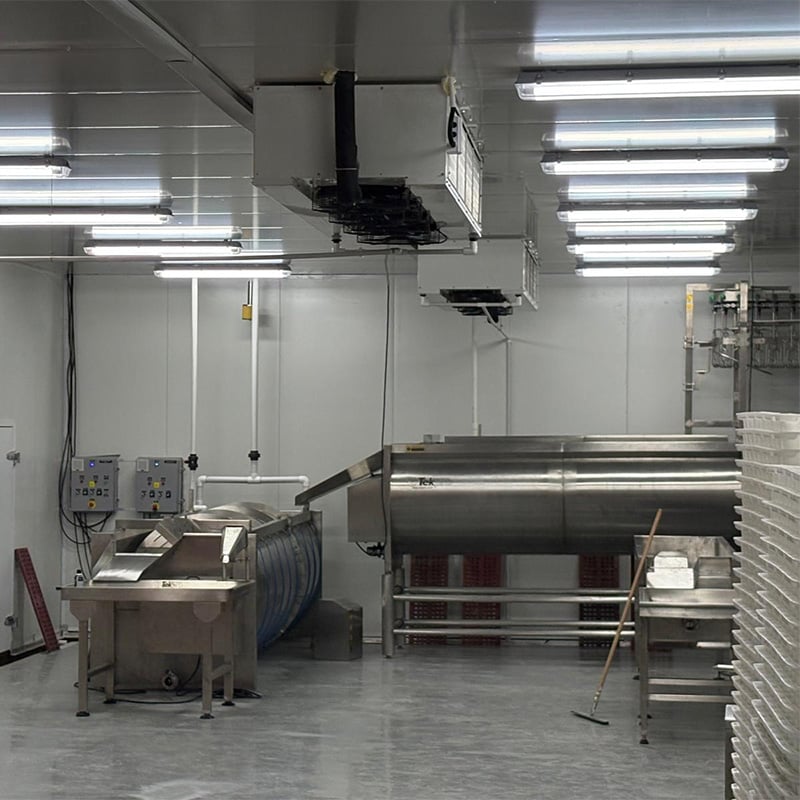
Choosing the right walk-in cold room requires a thorough assessment of your specific needs. Start by identifying the type of products you intend to store. Different materials and temperature ranges may be required based on whether you are storing perishable food items, pharmaceuticals, or industrial chemicals.
Next, evaluate your space constraints. The dimensions of the cold room should fit within your facility while allowing for efficient workflow and accessibility. It's essential to account for door sizes and the layout of shelving or storage units as well.
Another consideration is the required temperature range. Ensure that the cold room can achieve and maintain the desired temperatures consistently. This is particularly important for sensitive products where temperature fluctuations can lead to spoilage or damage. Incorporating a high-efficiency evaporator, such as the Euxiur High Efficiency Evaporator, can help maintain consistent temperatures.
Customization options are also worth exploring. Many manufacturers, including Shanghai EMTH, can tailor walk-in cold rooms to meet specific requirements, such as additional shelving, specialized lighting, or advanced monitoring systems. Discussing these needs with your supplier can yield a solution that fits your operational needs.
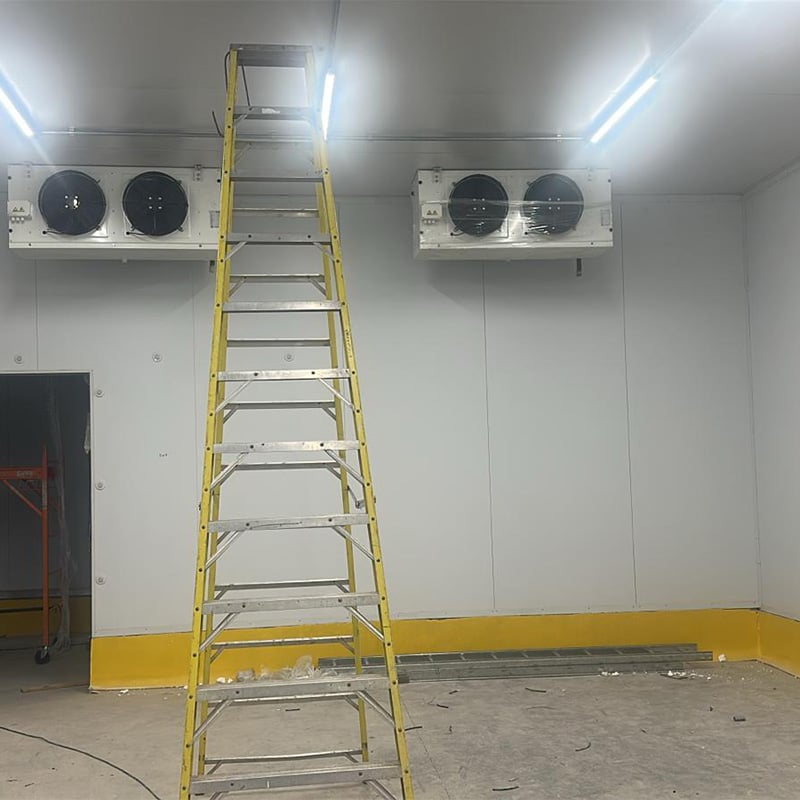
When comparing specifications of different walk-in cold rooms, focus on several critical parameters. First, look at the insulation thickness and material. Higher insulation values (measured in R-value) indicate better thermal efficiency, which can lead to significant energy savings.
Next, examine the refrigeration system specifications. This includes the type of compressor used, cooling capacity, and energy efficiency ratings. A system with a higher energy efficiency ratio (EER) will typically cost more upfront but result in lower operational costs.
Additionally, consider the durability of the materials used in construction. Stainless steel is a common choice for internal and external walls due to its corrosion resistance and ease of cleaning. However, it may increase the overall cost compared to other materials.
Finally, review warranty terms and service agreements. A comprehensive warranty can protect your investment and ensure that you receive prompt service in case of any issues with the cold room.
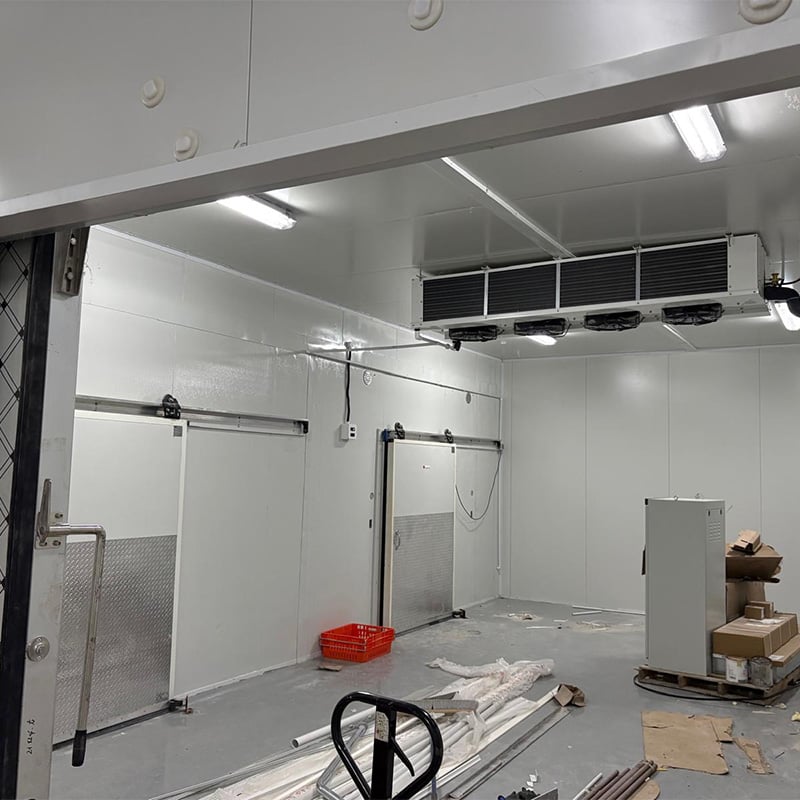
Walk-in cold rooms come equipped with several key features that enhance their functionality and efficiency. One of the most important features is the temperature control system, which ensures that the desired climate is maintained consistently. Look for advanced systems that provide digital monitoring and alerts for temperature fluctuations, which can be crucial for sensitive products.
Another essential feature is the door design. Rapid-opening doors minimize heat exchange when entering or exiting, helping to maintain internal temperatures. Additionally, consider door seals and insulation, as these prevent air leaks that can compromise the cold room's efficiency.
Another feature to consider is shelving and storage configurations. Adjustable shelving can maximize space utilization, allowing you to adapt the storage layout as your inventory changes.
Lastly, energy-efficient lighting should not be overlooked. LED lights not only reduce energy consumption but also have a longer lifespan than traditional bulbs, contributing to lower maintenance costs.
With more than 20 years of knowledge, we've developed a a complete production and sales and after-sales process with more than 20 patent certificates and a skilled R&D EMTH team.
Special docking is offered for a complete service. This includes the design of Coldrooms, production installation, landing projects, and after-sales support.
With a strong name in the industry, and over 3,000+ clients served, EMTH EMTH is a trustworthy and reliable supplier who has been recognized by other customers.
A modern plant of over 4000 square meters is in operation to meet the majority Ice maker for commercial production requirements.

Welcome to EMTH, a cold storage refrigeration equipment specialist in China! We offer innovative and effective cold storage solutions, including cold storage, evaporator, condensing unit and ice machine.
Room 304-305B, Building 5, BESHINE B.P, No. 559Zhuyuan Road, Minhang District 201112, Shanghai, China
Copyright © Shanghai EMTH Import & Export Co., Ltd. All Rights Reserved. - Privacy Policy
 EN
 AR
 BG
 HR
 CS
 DA
 NL
 FI
 FR
 DE
 EL
 IT
 JA
 KO
 NO
 PL
 PT
 RO
 RU
 ES
 TL
 IW
 ID
 LT
 SR
 VI
 HU
 TH
 MS
 AZ
 JW
 LO
 MN
 SO
 MY
 KK
 TG
 UZ
 GD
 XH