Understanding the condenser unit is essential for professionals in the refrigeration industry. These units play a crucial role in cooling systems, ensuring optimal performance and energy efficiency. B2B buyers, such as purchasing managers and engineers, often have concerns about specifications, application suitability, and reliability. This article will provide insights into the key specifications of condenser units, how to select the right one for your project, wholesale purchasing options, common issues, and the technical expertise that underpins advanced designs.
When evaluating condenser units, key specifications to consider include cooling capacity, dimensions, and energy efficiency ratings.
Cooling Capacity: Measured in BTUs or kilowatts, this indicates the amount of heat the condenser can remove. It’s essential to match the cooling capacity with your application requirements to avoid underperformance or energy waste.
Dimensions: The size of the unit affects installation and space requirements. Ensure that the dimensions fit within your designated area while providing adequate airflow.
Energy Efficiency: Look for units with high SEER (Seasonal Energy Efficiency Ratio) ratings. A higher SEER indicates better energy efficiency, leading to lower operational costs over time.
Material Construction: The materials used in the condenser unit's construction influence durability and resistance to corrosion. Common materials include galvanized steel and aluminum, each offering different benefits based on the operating environment. For instance, Bitzer Condensing Unit is known for its robust material choices that enhance longevity.
Refrigerant Type: Different refrigerants have varying environmental impacts and energy efficiencies. Ensure the selected unit is compatible with your operational needs and complies with local regulations.
Understanding these specifications will help you assess potential models effectively.
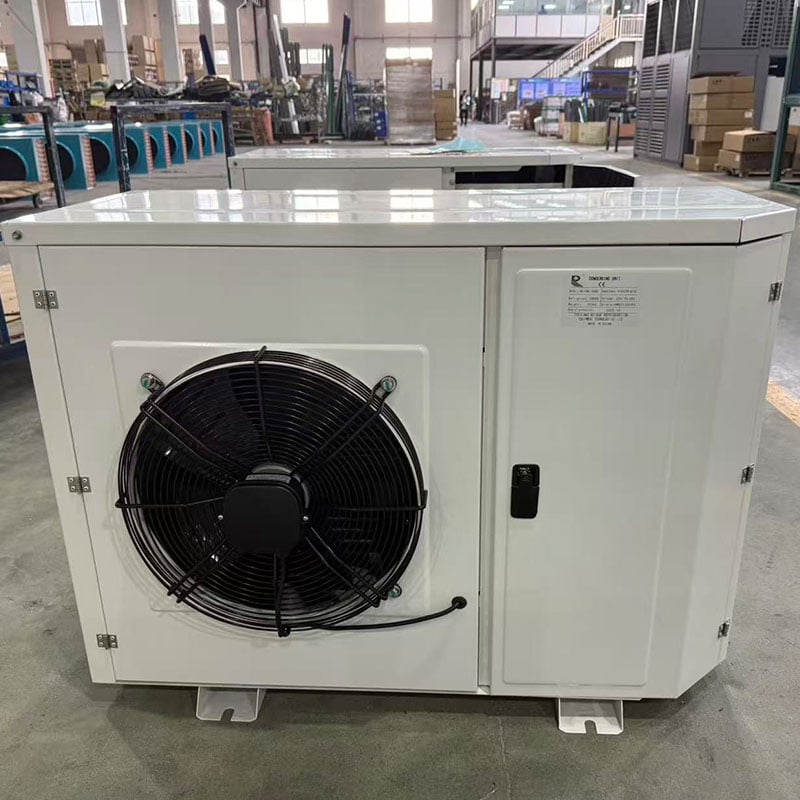
Selecting the right condenser unit involves several considerations tailored to your specific project requirements.
Application Requirements: Assess the specific cooling needs of your project. For instance, industrial applications may require units capable of handling higher loads compared to residential setups.
Operating Environment: Consider environmental factors such as temperature extremes, humidity, and exposure to corrosive substances. Units designed for harsh conditions may need additional protective features.
Compatibility with Existing Systems: Ensure that the condenser unit is compatible with other components in your cooling system, such as the evaporator and compressor. Mismatched components can lead to inefficiencies or system failures. This can be critical when integrating units like the YH Type Condenser.
Customization Options: If your project has unique requirements, inquire about customization capabilities. This may include specific dimensions, additional features, or tailored performance specifications.
Budget Constraints: Evaluate the total cost of ownership, including initial purchase price, installation costs, and anticipated energy expenses. Sometimes, a higher upfront investment in a more efficient unit can lead to significant savings in the long run.
By considering these factors, you can make a more informed decision that aligns with your project's goals.
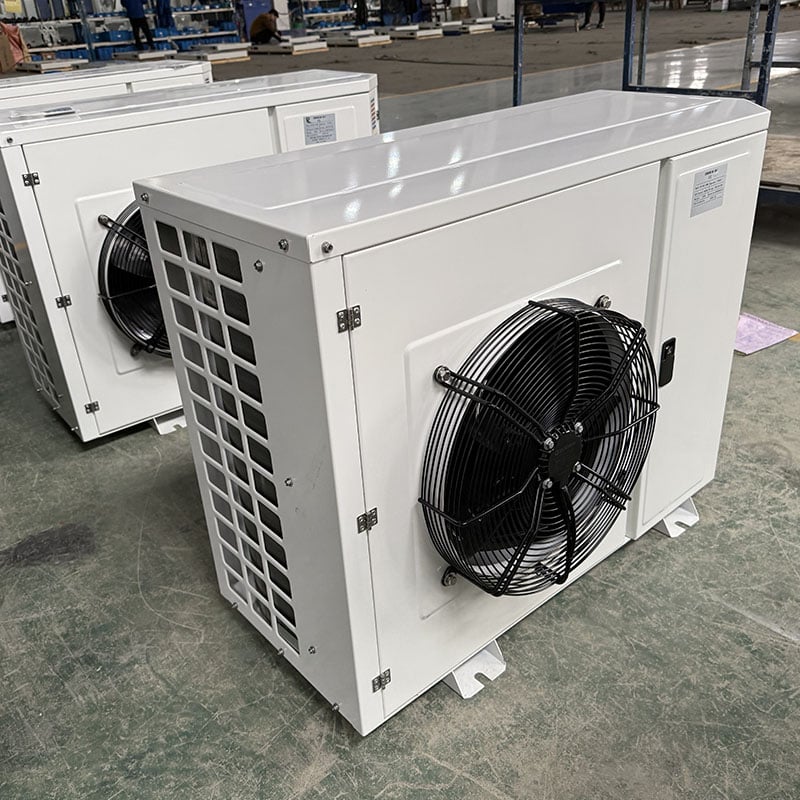
When looking to purchase condenser units in bulk, several wholesale options can help streamline the process while ensuring quality.
Direct Manufacturer Relationships: Establishing a direct relationship with manufacturers, such as Shanghai EMTH, can provide access to competitive pricing and customizable options. Manufacturers often offer bulk discounts and can assist with technical support.
Distributors: Partnering with reputable distributors can facilitate your purchasing process. Distributors typically have established relationships with multiple manufacturers and can help source specific models quickly.
Trade Shows and Industry Events: Attending industry trade shows can connect you with manufacturers and suppliers. These events provide opportunities to compare products, discuss specifications, and negotiate pricing.
Quality Assurance: Always ensure that the units purchased meet relevant quality standards and certifications. This could involve reviewing performance data, warranty terms, and after-sales support.
Minimum Order Quantities (MOQ): Be aware of MOQ requirements when placing wholesale orders. This will help you budget appropriately and ensure you meet the supplier's conditions for bulk purchases.
By exploring these wholesale purchasing options, you can secure high-quality condenser units that fit your project requirements.
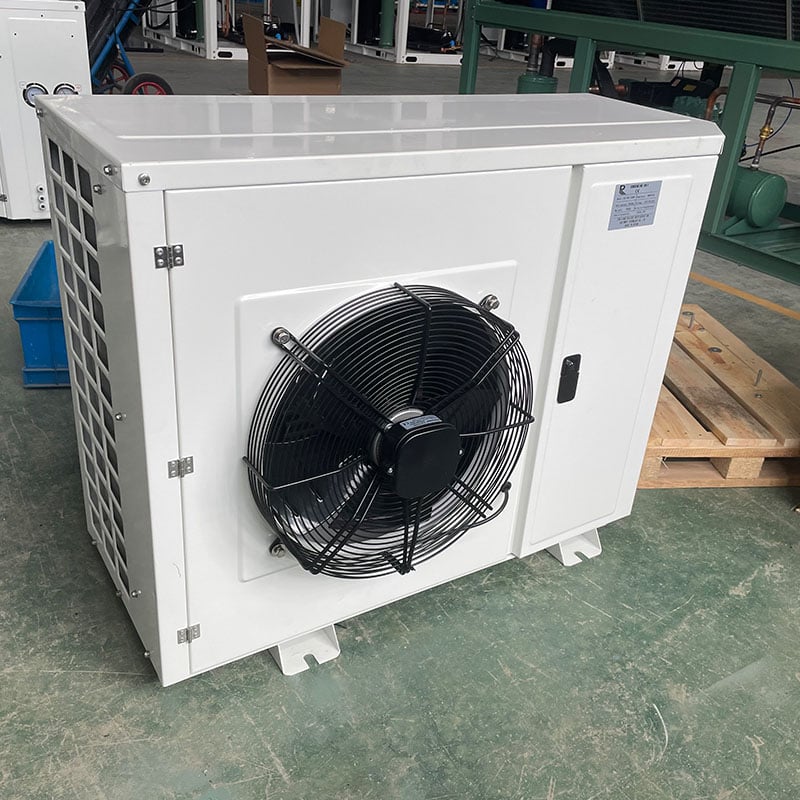
Like any equipment, condenser units can encounter issues that affect performance. Here are some common problems and their solutions:
Insufficient Cooling: This may result from a unit that is too small for the application, improper installation, or low refrigerant levels. Solutions include recalibrating the system, adding refrigerant, or upgrading to a unit with a higher cooling capacity.
Noise Issues: Excessive noise can indicate mechanical problems or installation issues. Regular maintenance, including checking for loose components and ensuring proper mounting, can mitigate noise.
Corrosion: Units exposed to harsh environments may experience corrosion. Selecting units with corrosion-resistant materials and applying protective coatings can extend their lifespan.
Energy Inefficiency: If your unit consumes more energy than expected, it may require maintenance or replacement. Regular inspections and cleaning can optimize performance, while upgrading to a more efficient model can yield long-term savings. Consider options like the Compressor For Refrigeration Tools And Equipment for better energy efficiency.
Leaking Refrigerant: This can reduce the efficiency of the unit and harm the environment. Promptly addressing leaks through professional service is essential to maintain performance and compliance.
By being aware of these common issues, you can take proactive measures to ensure your condenser units operate effectively.
More than 20 years of' experience and an experienced EMTH R&D staff.
With a good reputation in the industry and more than 3,000 clients who have been served, Condensing unit is a trustworthy established supplier that has been recognized by other customers.
A modern facility of more than 40,000 square meters is available to meet the majority of EMTH requirements.
Complete service program, from formulating of plans to the production and Ice maker for under counter, to after-sales service, there are specific docking.

Welcome to EMTH, a cold storage refrigeration equipment specialist in China! We offer innovative and effective cold storage solutions, including cold storage, evaporator, condensing unit and ice machine.
Room 304-305B, Building 5, BESHINE B.P, No. 559Zhuyuan Road, Minhang District 201112, Shanghai, China
Copyright © Shanghai EMTH Import & Export Co., Ltd. All Rights Reserved. - Privacy Policy
 EN
 AR
 BG
 HR
 CS
 DA
 NL
 FI
 FR
 DE
 EL
 IT
 JA
 KO
 NO
 PL
 PT
 RO
 RU
 ES
 TL
 IW
 ID
 LT
 SR
 VI
 HU
 TH
 MS
 AZ
 JW
 LO
 MN
 SO
 MY
 KK
 TG
 UZ
 GD
 XH