Choosing the right refrigeration condenser coil is crucial for the efficiency and reliability of refrigeration systems in various industrial applications. As a key component, the condenser coil plays a vital role in dissipating heat from refrigerants, ensuring optimal performance in air conditioning, refrigeration, and cold storage environments. B2B buyers, including purchasing managers, engineers, and product managers, often have specific concerns about product quality, compatibility, and supplier reliability. This article will guide you through essential considerations when selecting a refrigeration condenser coil supplier, specifications to look for, installation challenges, sourcing options, and comparison criteria tailored to your project needs.
When selecting a supplier for refrigeration condenser coils, several factors should be taken into account to ensure that you partner with a reliable manufacturer. First, assess the supplier’s manufacturing capabilities and experience in producing high-quality refrigeration equipment. A supplier with a proven track record can provide insights into product performance and application suitability.
Next, consider their customization capabilities. Many projects require specific dimensions, materials, or configurations. A supplier like Shanghai EMTH, with over 20 years of experience and a robust R&D team, can offer tailored solutions to meet unique requirements. For instance, if you are interested in a YH Type Condenser, they can provide specialized options.
Additionally, evaluate the supplier’s quality control processes. Reliable manufacturers will have stringent quality checks throughout the production cycle, ensuring that the final product meets industry standards. Finally, request references or case studies to gauge the supplier's reputation in the industry, as this can provide valuable insights into their reliability and service.
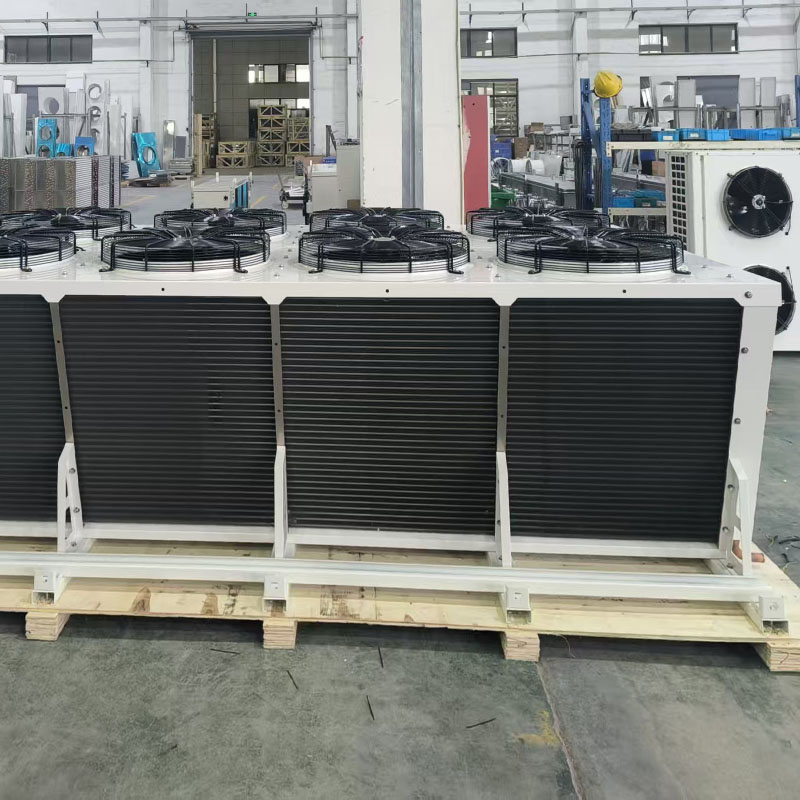
Understanding the key specifications of refrigeration condenser coils is essential for making informed purchasing decisions. Important parameters include coil material, dimensions, and surface treatment. Most condenser coils are made from copper or aluminum, with copper offering superior thermal conductivity. However, aluminum is often lighter and more cost-effective.
The dimensions of the coil must align with the specifications of the refrigeration system. Factors such as coil length, width, and thickness can influence both performance and installation compatibility. Additionally, consider the fin design, as this affects the heat exchange efficiency. Fins can vary in spacing and surface area, impacting airflow and heat transfer. For high-efficiency options, consider products like the Euxiur High Efficiency Evaporator.
Another critical specification is the pressure rating. Ensure that the condenser coil can withstand the operational pressures of your system to avoid failures. Finally, confirm any certifications that may be relevant to your industry or application, such as compliance with environmental regulations or energy efficiency standards.
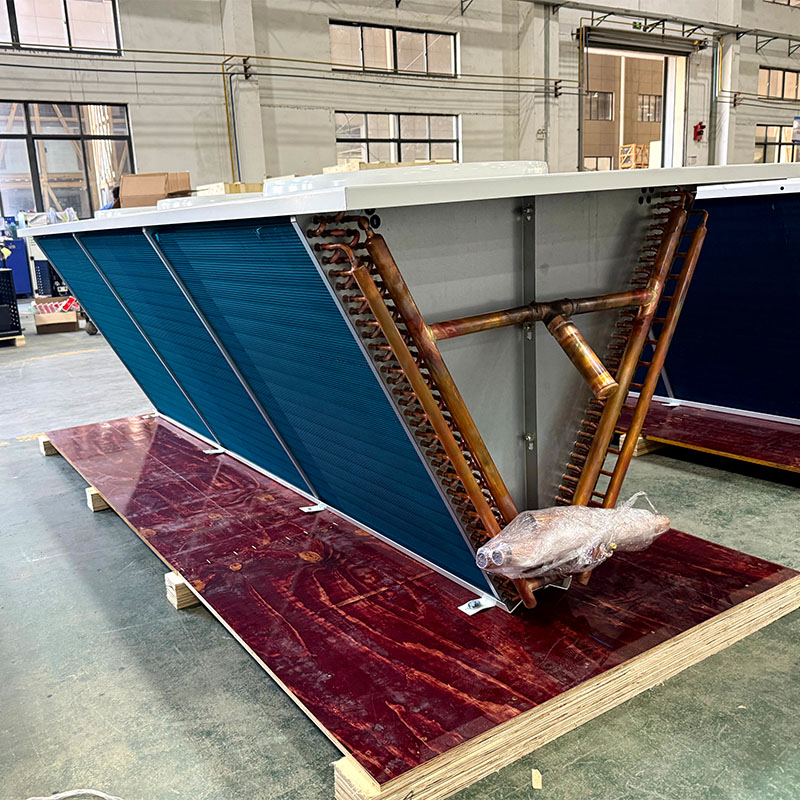
Installing refrigeration condenser coils can present various challenges. One common issue is ensuring proper alignment during installation. Misalignment can lead to inefficient cooling or increased wear on other system components. To mitigate this, carefully review the installation guidelines provided by the manufacturer and consider utilizing fixtures or supports to maintain proper positioning.
Another challenge is managing refrigerant leaks, which can occur if the coil connections are not properly sealed. Always double-check connections and use appropriate sealants as recommended by the manufacturer. It’s also crucial to maintain adequate airflow around the condenser coil to prevent overheating, which can compromise system efficiency. Ensure that the installation area is free from obstructions and that fans are functioning correctly.
Lastly, fluctuations in temperature during installation can affect the performance of the coil. To address this, ensure that the installation is conducted under controlled conditions and that the coil is allowed to acclimate to the environment before being put into operation.
Finding reliable wholesale suppliers of refrigeration condenser coils can be a daunting task. Start by researching industry trade shows, which often showcase leading manufacturers and suppliers. These events provide opportunities to meet suppliers face-to-face and discuss their products and capabilities in detail.
Online directories and marketplaces can also be valuable resources for identifying potential suppliers. Look for platforms that specialize in industrial equipment and verify the supplier's credentials, reviews, and ratings. Additionally, networking within industry associations can yield recommendations for reputable suppliers.
Consider reaching out to manufacturers with a presence in your region or those who have experience exporting to your market. For instance, Shanghai EMTH, with its international experience, could be a suitable partner for buyers seeking quality refrigeration condenser coils.
With more than 20 years of knowledge, we've developed a a complete production and sales and after-sales process with more than 20 patent certificates and a skilled R&D EMTH team.
A modern facility of more than 40,000 square meters is available to meet the majority of EMTH requirements.
With a good name in the industry, with over 3,000+ clients serviced, EMTH EMTH is a trustworthy established supplier that is praised by its clients.
Complete service system, from the creation of plans, Ice maker for commercial production and project landing, to after-sales services, there's special docking.

Welcome to EMTH, a cold storage refrigeration equipment specialist in China! We offer innovative and effective cold storage solutions, including cold storage, evaporator, condensing unit and ice machine.
Room 304-305B, Building 5, BESHINE B.P, No. 559Zhuyuan Road, Minhang District 201112, Shanghai, China
Copyright © Shanghai EMTH Import & Export Co., Ltd. All Rights Reserved. - Privacy Policy
 EN
 AR
 BG
 HR
 CS
 DA
 NL
 FI
 FR
 DE
 EL
 IT
 JA
 KO
 NO
 PL
 PT
 RO
 RU
 ES
 TL
 IW
 ID
 LT
 SR
 VI
 HU
 TH
 MS
 AZ
 JW
 LO
 MN
 SO
 MY
 KK
 TG
 UZ
 GD
 XH