The ref evaporator is a critical component in refrigeration systems, responsible for absorbing heat from the surrounding environment, thereby facilitating cooling. For B2B buyers, such as purchasing managers and engineers, selecting a reliable ref evaporator supplier is essential to ensure optimal performance and longevity of their refrigeration units. This article addresses key considerations when choosing a supplier, important specifications for bulk orders, guidance for contractors, common problems with ref evaporators, and the material advantages of high-quality options.
When evaluating potential suppliers for ref evaporators, buyers should prioritize several key factors to ensure they select a reliable partner. First, assess the supplier's experience in the refrigeration equipment industry. Suppliers with over 20 years of experience, like Shanghai EMTH, often have a more profound understanding of the market and can offer more innovative solutions.
Next, consider the supplier's manufacturing capabilities. A modern factory equipped with advanced production equipment is crucial for ensuring product quality and consistency. Additionally, inquire about the supplier's research and development (R&D) efforts. Firms that invest in R&D are typically more adept at creating state-of-the-art products that meet evolving industry standards. For example, consider looking into the Bitzer Condensing Unit for innovative solutions.
Buyers should also look for certifications that demonstrate compliance with safety and quality standards. A transparent quality control process is vital, so ensure that the supplier has rigorous inspection protocols in place. Finally, consider the supplier's ability to provide customized solutions tailored to specific application needs, which can significantly enhance operational efficiency.
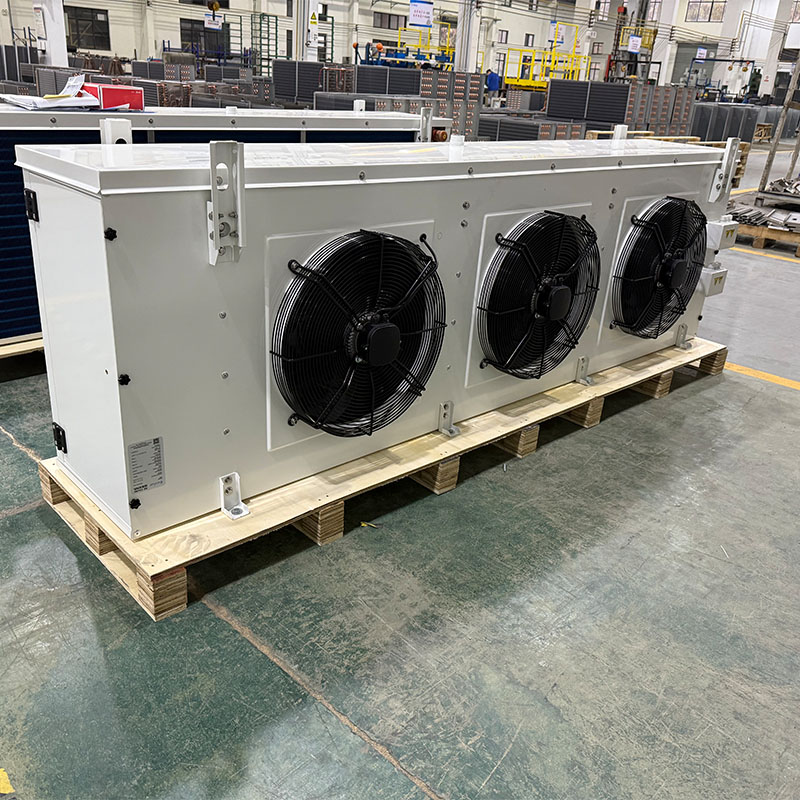
When making bulk purchases of ref evaporators, understanding key specifications is essential to ensure compatibility and performance. Important specifications include:
Cooling Capacity: This indicates the evaporator's ability to absorb heat and is typically measured in BTUs or kilowatts. Buyers should evaluate their cooling needs based on the specific application to select an appropriately sized unit.
Material Composition: The materials used, such as stainless steel or aluminum, affect durability, corrosion resistance, and thermal conductivity. Selecting the right material is crucial for longevity and performance. For high-efficiency options, consider the Euxiur High Efficiency Evaporator as a reference.
Dimensions and Weight: Ensure that the evaporator's dimensions are compatible with existing systems. Weight considerations are also important for installation and structural support.
Operating Temperature Range: Buyers should confirm that the evaporator can function effectively within the required temperature range for their specific application.
Connection Type: Different evaporators may have various connection types (e.g., flanged or threaded). Compatibility with existing systems is critical to avoid additional installation costs.
Understanding these specifications helps ensure that the ref evaporators meet operational requirements, reducing the likelihood of issues during use.
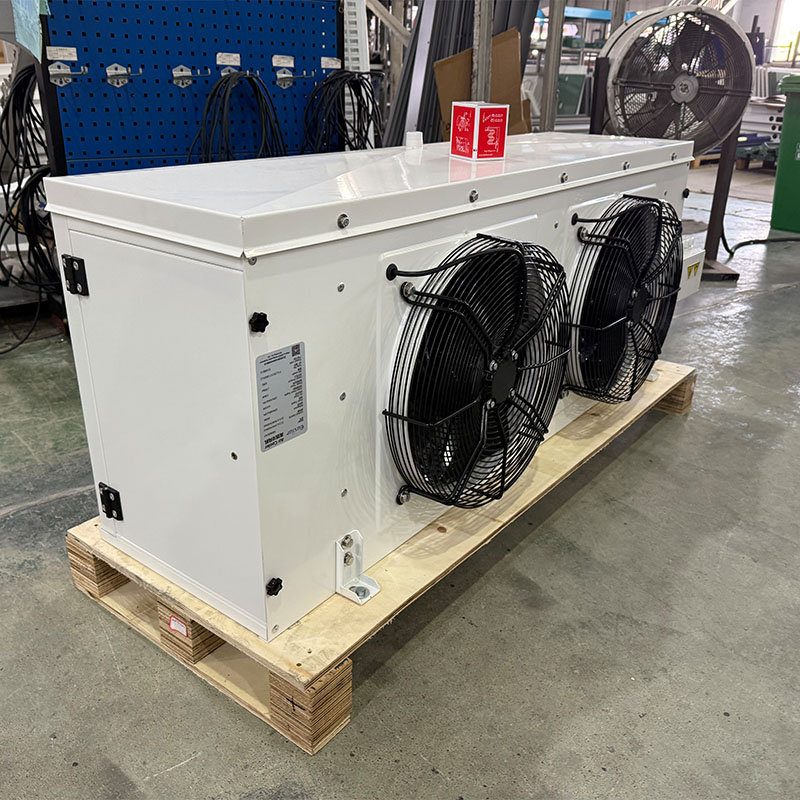
Contractors play a pivotal role in the installation of ref evaporators, and understanding the key considerations can lead to successful projects. First, contractors should familiarize themselves with the specifications mentioned above. This knowledge ensures that they select the correct unit for each application, minimizing the risk of operational failures.
Additionally, contractors should conduct a thorough site assessment before installation. This includes checking for adequate space, ventilation, and necessary connections. It is also essential to review installation manuals and guidelines provided by the manufacturer to ensure proper setup.
One common mistake contractors make is underestimating the importance of proper insulation during installation. Insufficient insulation can lead to energy losses, reducing the overall efficiency of the refrigeration system. Therefore, contractors should pay close attention to insulation materials and techniques to enhance performance.
Finally, it is advisable for contractors to establish open lines of communication with the supplier. This ensures that any questions or concerns about the installation process can be addressed promptly, leading to smoother project execution.
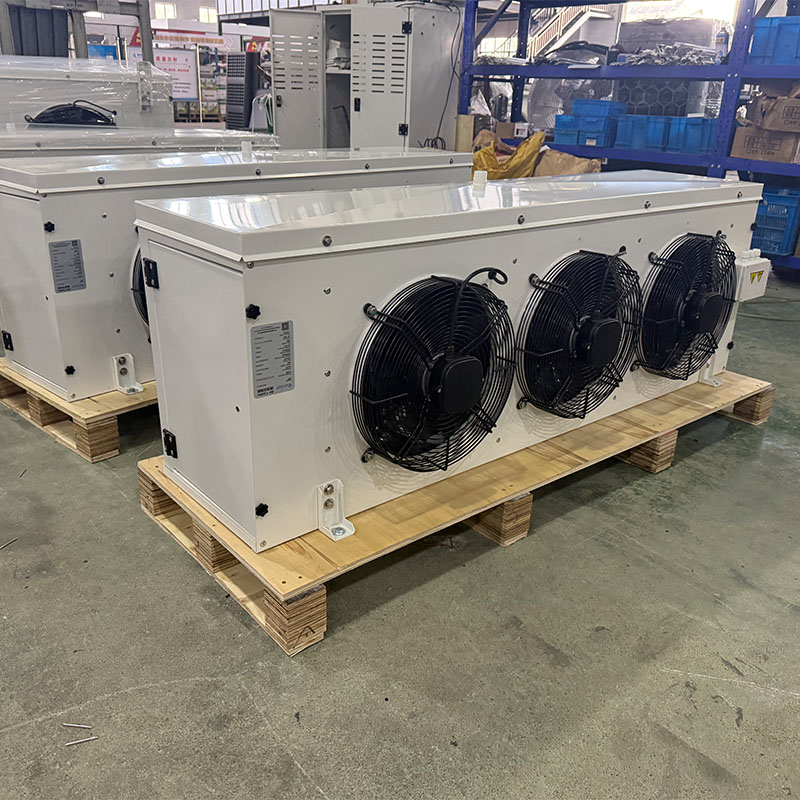
Despite their efficiency, ref evaporators can encounter several common issues that may hinder performance. Understanding these problems and their solutions is essential for maintaining operational efficiency.
Frost Buildup: This is often caused by insufficient airflow or low refrigerant levels. To address this issue, ensure that the evaporator is correctly sized and that the airflow is unobstructed. Regular maintenance checks can help identify low refrigerant levels before they become problematic.
Leaking Refrigerant: Leaks can severely impact performance and pose safety hazards. Regular inspections should be conducted, focusing on joints and connections. If a leak is detected, it is crucial to repair it immediately and recharge the refrigerant.
Inconsistent Cooling: This issue can stem from a malfunctioning thermostat or uneven airflow. To resolve this, check the thermostat settings and ensure that fans are functioning correctly. Cleaning filters and ensuring that evaporator coils are free from debris can also enhance cooling consistency.
Unusual Noises: Strange sounds may indicate mechanical issues, such as loose components or failing motors. Regular inspections can help identify these problems early, allowing for timely repairs and reducing downtime.
By being proactive about these common issues, companies can enhance the reliability and efficiency of their refrigeration systems.
A modern plant of over 40000 square meters is in place to meet the EMTH majority manufacturing requirements.
With a great reputation in the business and over 3,000+ clients that they have served, EMTH EMTH is a trustworthy established supplier that is praised by its clients.
With a full service system, from the formulation of plans, production of Condensing units as well as project landing until after-sales assistance, there's special docking.
With more than 20 years of knowledge, we've developed a a complete production and sales and after-sales process with more than 20 patent certificates and a skilled R&D EMTH team.

Welcome to EMTH, a cold storage refrigeration equipment specialist in China! We offer innovative and effective cold storage solutions, including cold storage, evaporator, condensing unit and ice machine.
Room 304-305B, Building 5, BESHINE B.P, No. 559Zhuyuan Road, Minhang District 201112, Shanghai, China
Copyright © Shanghai EMTH Import & Export Co., Ltd. All Rights Reserved. - Privacy Policy
 EN
 AR
 BG
 HR
 CS
 DA
 NL
 FI
 FR
 DE
 EL
 IT
 JA
 KO
 NO
 PL
 PT
 RO
 RU
 ES
 TL
 IW
 ID
 LT
 SR
 VI
 HU
 TH
 MS
 AZ
 JW
 LO
 MN
 SO
 MY
 KK
 TG
 UZ
 GD
 XH