Choosing the right outdoor condensing unit for your refrigeration needs is crucial for optimizing energy efficiency and ensuring reliable operation. As a key component in the refrigeration cycle, outdoor condensing units help dissipate heat from refrigerants. B2B buyers often face challenges such as selecting the appropriate size, understanding specifications, and sourcing reliable manufacturers. This article will guide you through essential considerations when selecting outdoor condensing units, sourcing them for bulk orders, key specifications to look for, common issues, and their applications across various industries.
When selecting an outdoor condensing unit, several factors should be evaluated to ensure optimal performance and compatibility with your specific application. First, consider the cooling capacity required for your system, measured in BTUs or tons. This capacity should align with the demands of the environment in which the unit will operate.
Next, assess the energy efficiency ratio (EER) or seasonal energy efficiency ratio (SEER). Higher ratings indicate more efficient units, which can lead to significant cost savings over time, especially in high-use scenarios. Additionally, consider the operating temperature range; ensure that the unit can handle the ambient temperatures of the locations where it will be installed.
Lastly, evaluate noise levels. For commercial applications, particularly in populated areas, selecting a unit with lower noise output can be essential for maintaining a suitable environment for workers and customers. For instance, you might consider the Bitzer Condensing Unit which is designed for quiet operation.
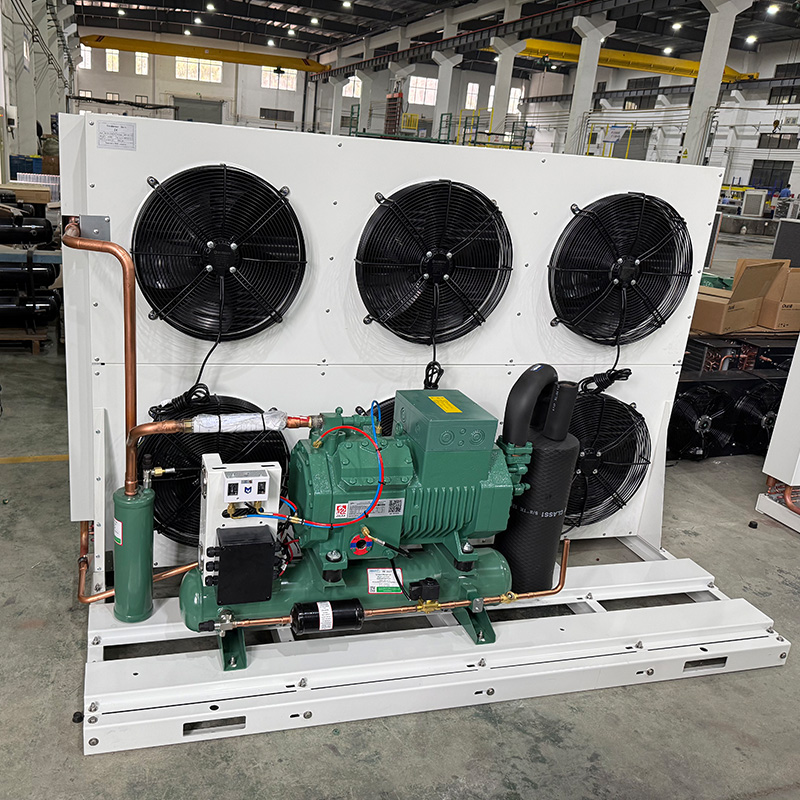
Sourcing outdoor condensing units in bulk requires careful consideration of manufacturers and suppliers. Start by identifying manufacturers with a solid track record and experience in the refrigeration industry, such as Shanghai EMTH, which boasts over 20 years in the field and a portfolio of 20 patents.
When evaluating potential suppliers, check for their production capabilities and quality control processes. Reliable manufacturers should provide clear information on their testing methods and certifications to ensure product compliance with industry standards. For example, consider evaluating the H Type Condensing Units that meet high-quality standards.
It’s advisable to request samples or visit the manufacturing facility if possible, to assess the quality of their products firsthand. Additionally, establish a communication channel for ongoing support regarding technical questions or issues that may arise during the purchasing process.
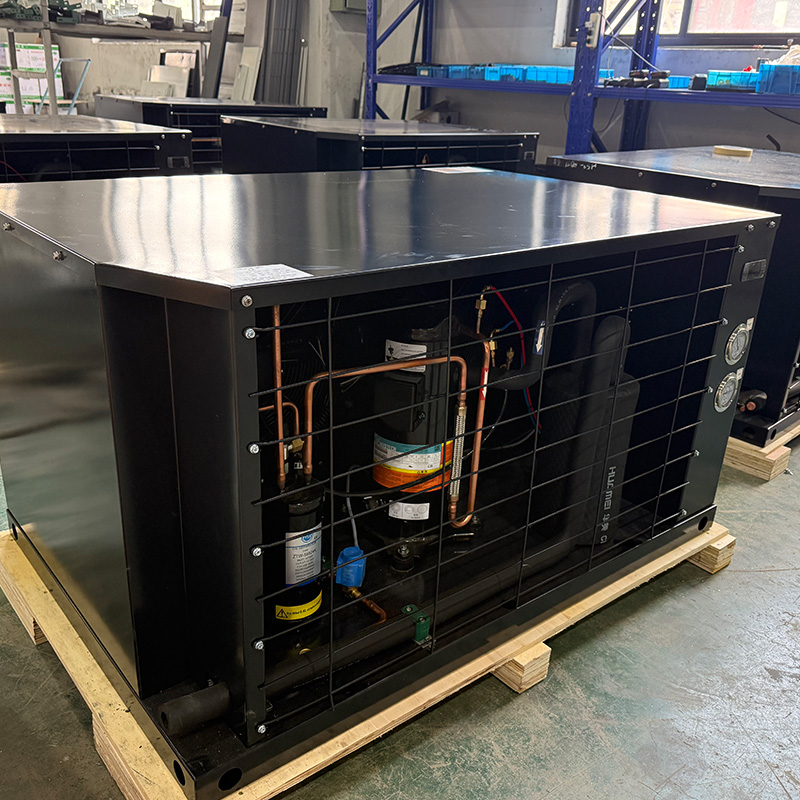
Key specifications for outdoor condensing units include the following:
Cooling Capacity: Ensure the unit meets the required BTU or tonnage for your specific application. This determines how effectively the unit can cool the required space.
Compressor Type: Different compressors (scroll, reciprocating, or screw) offer varying efficiency and reliability. Choose based on your operational demands and installation space.
Refrigerant Type: Verify the refrigerant used in the unit. Modern units typically use environmentally friendly refrigerants like R-410A, which is crucial for compliance with regulations.
Construction Material: Units made from durable, corrosion-resistant materials such as galvanized steel or coated aluminum will withstand outdoor conditions better.
Dimensions and Weight: Ensure the unit fits the designated installation space and that the weight is manageable for installation purposes.
Energy Efficiency Ratings: Look for EER or SEER ratings that indicate how efficiently the unit uses energy. Higher ratings suggest lower operational costs.
By confirming these specifications, you can ensure that the outdoor condensing unit selected will meet your operational needs and provide reliable performance.
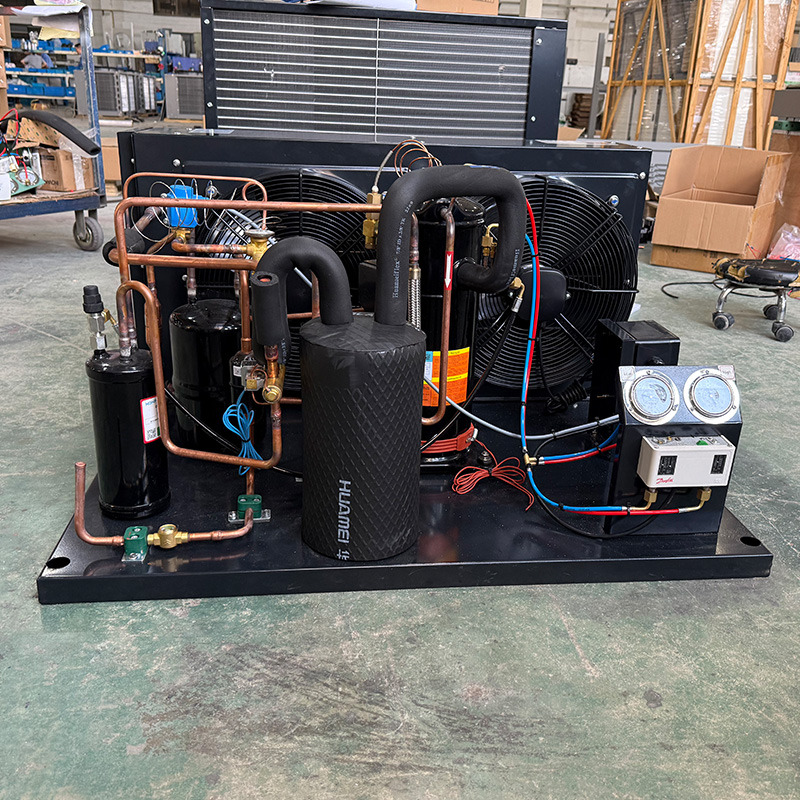
Outdoor condensing units can encounter various issues that may affect their performance. Some common problems include:
Refrigerant Leaks: Over time, seals can wear out, leading to leaks. Regular maintenance checks can help identify leaks early. If detected, the system should be serviced by a qualified technician to repair and recharge the refrigerant.
Compressor Failures: The compressor is the heart of the system. Signs of failure include unusual noises or the unit not cycling on and off properly. Ensure that the compressor is properly sized and that routine maintenance is performed.
Electrical Issues: Problems with wiring or electrical components can lead to unit failure. Regular inspections of electrical connections can help prevent these issues.
Dirty Coils: Dust and debris can accumulate on the coils, reducing efficiency. Regular cleaning of the coils, both on the outdoor unit and inside the evaporator, is essential.
Identifying and addressing these problems early can prolong the lifespan of your outdoor condensing unit and ensure consistent performance.
With a great reputation in the industry with over 3,000+ clients served, EMTH EMTH is a trustworthy known and dependable supplier that has been recognized by other clients.
Special docking is offered for a complete service. This includes the design of Commercial ice maker, production installation, landing projects, and after-sales support.
We have more than 20 years of experience and a highly skilled R&D EMTH staff.
A modern plant of over 40000 square meters is in place to meet the EMTH majority manufacturing requirements.

Welcome to EMTH, a cold storage refrigeration equipment specialist in China! We offer innovative and effective cold storage solutions, including cold storage, evaporator, condensing unit and ice machine.
Room 304-305B, Building 5, BESHINE B.P, No. 559Zhuyuan Road, Minhang District 201112, Shanghai, China
Copyright © Shanghai EMTH Import & Export Co., Ltd. All Rights Reserved. - Privacy Policy
 EN
 AR
 BG
 HR
 CS
 DA
 NL
 FI
 FR
 DE
 EL
 IT
 JA
 KO
 NO
 PL
 PT
 RO
 RU
 ES
 TL
 IW
 ID
 LT
 SR
 VI
 HU
 TH
 MS
 AZ
 JW
 LO
 MN
 SO
 MY
 KK
 TG
 UZ
 GD
 XH