Mini condensing units are essential components in refrigeration systems, providing efficient cooling in various commercial and industrial applications. As a purchasing manager or engineer, you may face several challenges when selecting the right unit, including performance specifications, supplier reliability, and cost considerations. This article aims to guide you through the key factors to consider when choosing a mini condensing unit, ensuring you make an informed decision that meets your operational needs.
When selecting a mini condensing unit, the first step is to clearly define your specific requirements. Consider the following factors:
Application: Identify the intended use of the unit. Different applications, such as refrigeration for food storage or HVAC systems, may require varying performance levels and design features.
Cooling Capacity: This is typically measured in BTUs (British Thermal Units) or kW. Ensure that the unit can meet the cooling demands of your specific environment. Oversizing can lead to inefficiencies, while undersizing can compromise performance.
Operating Environment: Assess the conditions in which the unit will function. Factors like ambient temperature, humidity levels, and potential exposure to corrosive substances can influence the choice of materials and design.
Energy Efficiency: Look for units with high energy efficiency ratings (EER or SEER). Efficient units reduce operational costs and contribute to sustainability goals.
Customization Needs: Some projects may require specific configurations or features. Verify if the manufacturer offers customization options to accommodate your unique requirements. For example, options like Control Box can enhance the unit's functionality.
By considering these aspects, you can select a mini condensing unit that aligns with your operational demands and budget.
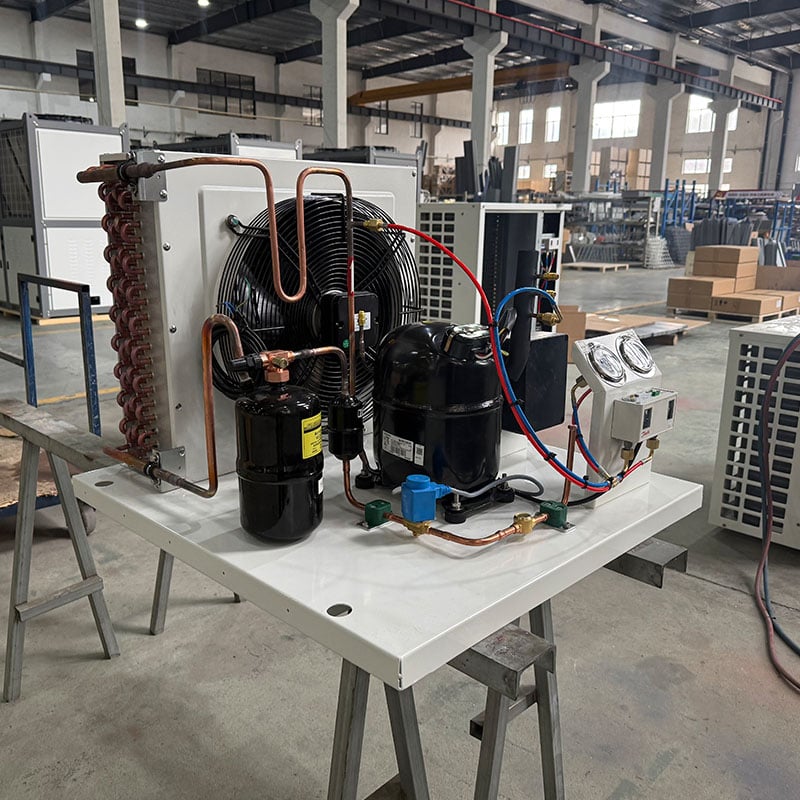
When evaluating mini condensing units, it's crucial to focus on specific technical specifications that impact performance and longevity:
Refrigerant Type: Common refrigerants include R-410A and R-134A. The choice of refrigerant affects cooling efficiency and environmental impact. Ensure compliance with local regulations regarding refrigerant use.
Compressor Type: There are several types of compressors, such as scroll, reciprocating, and rotary. Each has distinct advantages in terms of efficiency, noise levels, and maintenance needs. Assess which type aligns best with your application. For instance, Compressor options can vary greatly in performance.
Heat Exchanger Design: The design and materials of the heat exchanger directly influence the unit's thermal performance. Copper tubes and aluminum fins are commonly used for their excellent heat transfer properties.
Control Systems: Modern units often feature advanced control systems that allow for better monitoring and adjustment of performance parameters. Consider units equipped with digital controls for enhanced operational efficiency.
Size and Dimensions: Ensure that the physical size of the unit fits within your installation space. Consider access for maintenance and service when determining placement.
Evaluating these specifications will help you identify a mini condensing unit that meets your operational and performance requirements.
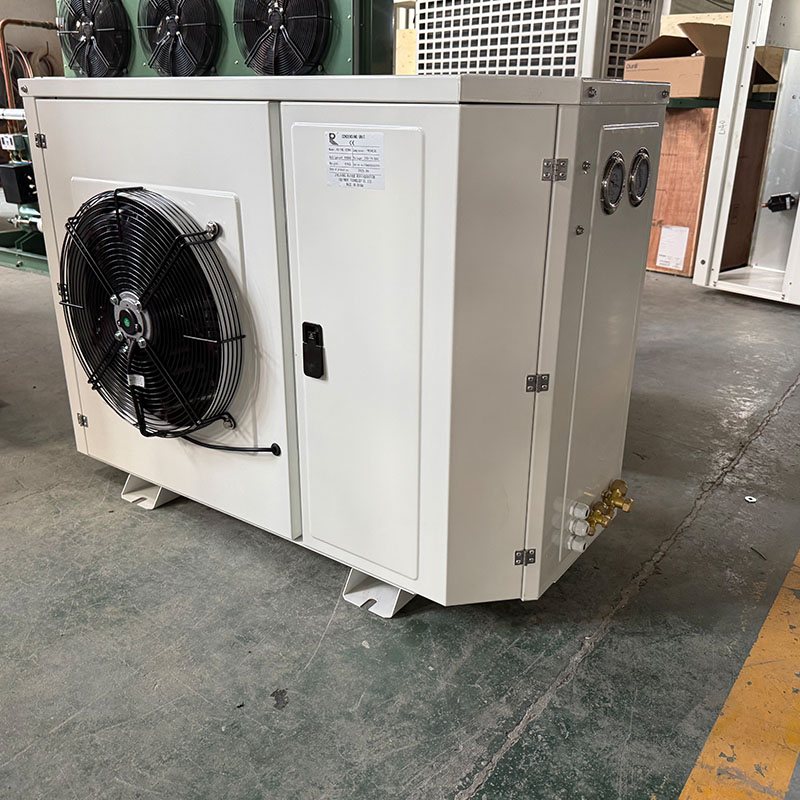
Finding a trustworthy supplier is crucial for ensuring product quality and post-purchase support. Here are some steps to identify reliable suppliers:
Industry Reputation: Research suppliers with a solid reputation in the refrigeration industry. Look for reviews and testimonials from other buyers to gauge their reliability.
Experience and Expertise: Choose suppliers with extensive experience, such as Shanghai EMTH, which specializes in refrigeration equipment manufacturing. Their expertise can provide valuable insights and assistance during the selection process.
Certifications and Compliance: Verify that suppliers comply with relevant industry standards and possess necessary certifications. This ensures that the products meet quality and safety regulations.
After-Sales Support: Reliable suppliers should offer robust after-sales support, including installation guidance, maintenance assistance, and warranty services.
Sampling and Testing: Consider suppliers that allow you to request samples for testing before making a large purchase. This ensures that the product meets your requirements in real-world conditions.
By following these steps, you can source mini condensing units from suppliers that align with your quality and performance expectations.
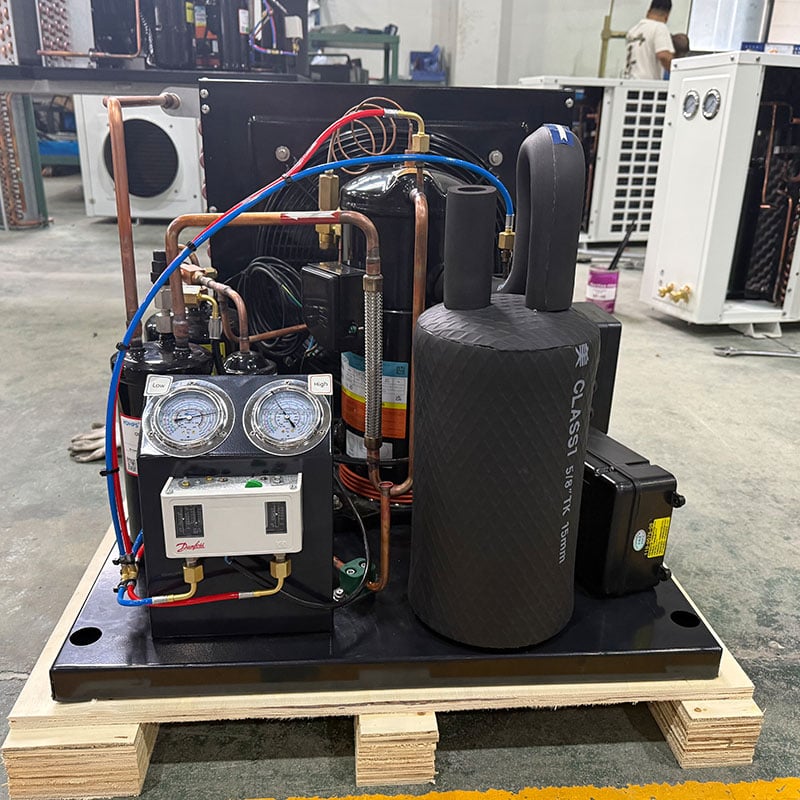
When purchasing mini condensing units in bulk, understanding the wholesale process is essential. Here are key considerations:
Minimum Order Quantities (MOQ): Check the MOQ for bulk purchases. This can vary significantly among suppliers and may influence your buying decision.
Pricing Structures: Understand the pricing tiers based on volume. Buying in larger quantities often leads to cost savings, but ensure that the price reflects the quality and specifications required.
Lead Times: Confirm the lead times for production and delivery. Ensure that these align with your project timelines to avoid delays in operations.
Customization Options: Discuss potential customization for bulk orders. Some manufacturers may offer modifications to suit specific applications or branding needs.
Payment Terms: Clarify payment terms with the supplier. Look for flexible options that can accommodate your budget and cash flow needs.
By paying attention to these factors, you can streamline the wholesale purchasing process and secure the best deals on mini condensing units.
A modern factory of over 40,000 square meters is available to fulfill the majority of EMTH demands for production.
With a great reputation in the industry with over 3,000+ clients served, EMTH EMTH is a trustworthy known and dependable supplier that has been recognized by other clients.
With more than 20 years of knowledge, we've developed a a complete production and sales and after-sales system with more than 20 patent certificates and a highly skilled R&D EMTH team.
Special docking is available for a complete system of service. It includes creation of plans, Axial fans, landing plans, and after-sales support.

Welcome to EMTH, a cold storage refrigeration equipment specialist in China! We offer innovative and effective cold storage solutions, including cold storage, evaporator, condensing unit and ice machine.
Room 304-305B, Building 5, BESHINE B.P, No. 559Zhuyuan Road, Minhang District 201112, Shanghai, China
Copyright © Shanghai EMTH Import & Export Co., Ltd. All Rights Reserved. - Privacy Policy
 EN
 AR
 BG
 HR
 CS
 DA
 NL
 FI
 FR
 DE
 EL
 IT
 JA
 KO
 NO
 PL
 PT
 RO
 RU
 ES
 TL
 IW
 ID
 LT
 SR
 VI
 HU
 TH
 MS
 AZ
 JW
 LO
 MN
 SO
 MY
 KK
 TG
 UZ
 GD
 XH