Freezer evaporator coils play a crucial role in refrigeration systems by absorbing heat from the environment and maintaining low temperatures. For B2B buyers, including purchasing managers and engineers, selecting the right freezer evaporator coil supplier is essential for ensuring efficiency, reliability, and cost-effectiveness in their operations. This article will guide you through critical factors to consider when sourcing these components, comparing products, and addressing common challenges.
When selecting a supplier for freezer evaporator coils, consider their manufacturing experience and capabilities. A reliable supplier should have a proven track record, ideally with over 20 years in the industry, as this indicates stability and expertise. Look for certifications that demonstrate compliance with international quality standards, which can assure you of consistent product quality.
Additionally, assess the supplier's range of products and customization options. A supplier that can provide tailored solutions based on your specific cooling requirements will be more valuable, especially in applications that demand unique specifications. Evaluate the materials used in their coils, as this will impact durability and performance. High-quality materials can withstand varying temperature conditions and prevent corrosion, ensuring longevity in demanding environments. For instance, consider the Euxiur High Efficiency Evaporator for optimal performance.
Lastly, consider the supplier's quality control processes. A robust quality assurance system will minimize defects and ensure that the coils meet your operational standards. Ask about their testing procedures and whether they perform regular inspections during production.
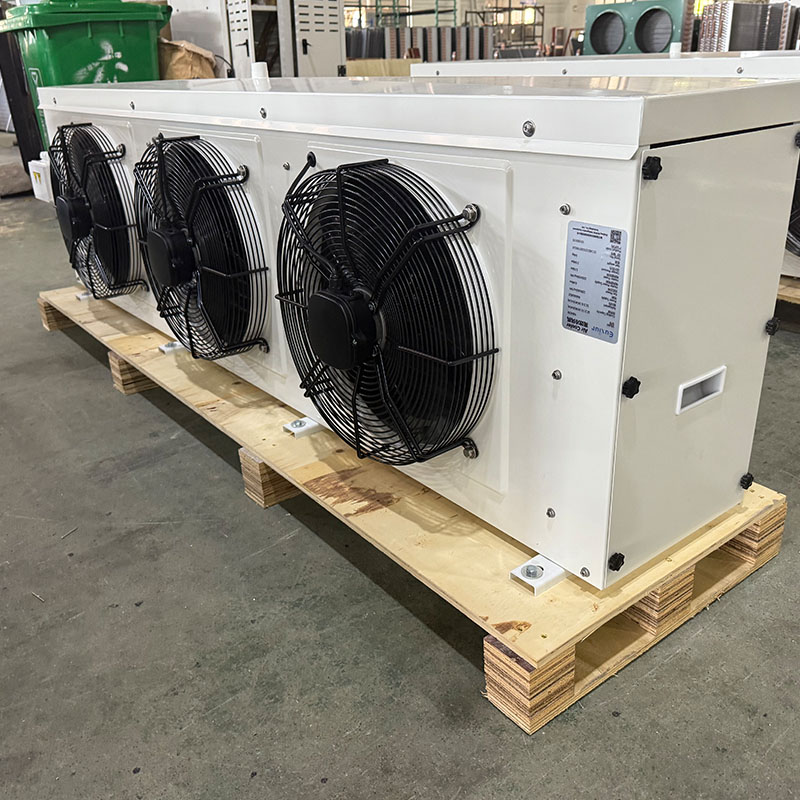
When comparing freezer evaporator coils, focus on several key specifications that directly affect performance and compatibility:
Size and Dimensions: Ensure the coils fit within the designated space. Incorrect dimensions can lead to inefficiencies or installation challenges.
Cooling Capacity: This measurement indicates how much heat the evaporator coil can absorb. It is crucial to match the coil’s capacity with your refrigeration needs.
Material Composition: Common materials include copper and aluminum. Copper offers superior thermal conductivity but may be more expensive, while aluminum is lightweight and generally more affordable.
Fin Design: The design of the fins affects the efficiency of heat exchange. Look for coils with optimized fin configurations for better airflow and heat transfer.
Operating Temperature Range: Ensure the coil can operate effectively within the temperature ranges required for your specific application.
Energy Efficiency: Evaluate the energy consumption of different models. Energy-efficient coils can reduce operational costs over time. The Bitzer Condensing Unit is an excellent example of an energy-efficient solution that can complement your refrigeration system.
By considering these specifications, you can make a more informed decision that aligns with your project requirements.
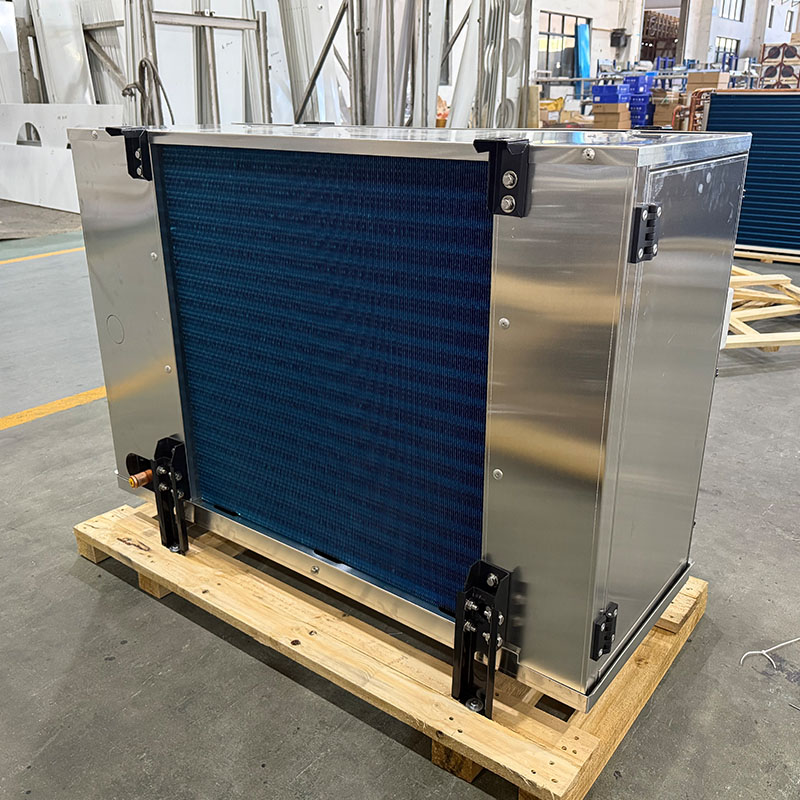
Sourcing freezer evaporator coils in bulk requires identifying manufacturers with reliable production capabilities and a strong track record in the industry. Here are some recommended approaches:
Industry Trade Shows: Attending trade shows focused on refrigeration and HVAC can help you meet suppliers in person, allowing for direct discussions about their products and capabilities.
Online Marketplaces and Directories: Utilize online platforms tailored for B2B transactions. Look for suppliers who showcase detailed product specifications and customer reviews.
Manufacturer Referrals: Seek recommendations from industry peers who have experience with specific manufacturers. Their insights can provide valuable guidance on reliability and product performance.
Requesting Samples: Before committing to a bulk order, request samples to evaluate the quality and suitability of the coils for your application. This step can help you avoid costly mistakes in large orders.
Supplier Audits: Conducting a supplier audit can provide insights into their manufacturing processes, quality control measures, and overall reliability.
By following these steps, you can ensure that the coils you source will meet your operational needs and quality standards.
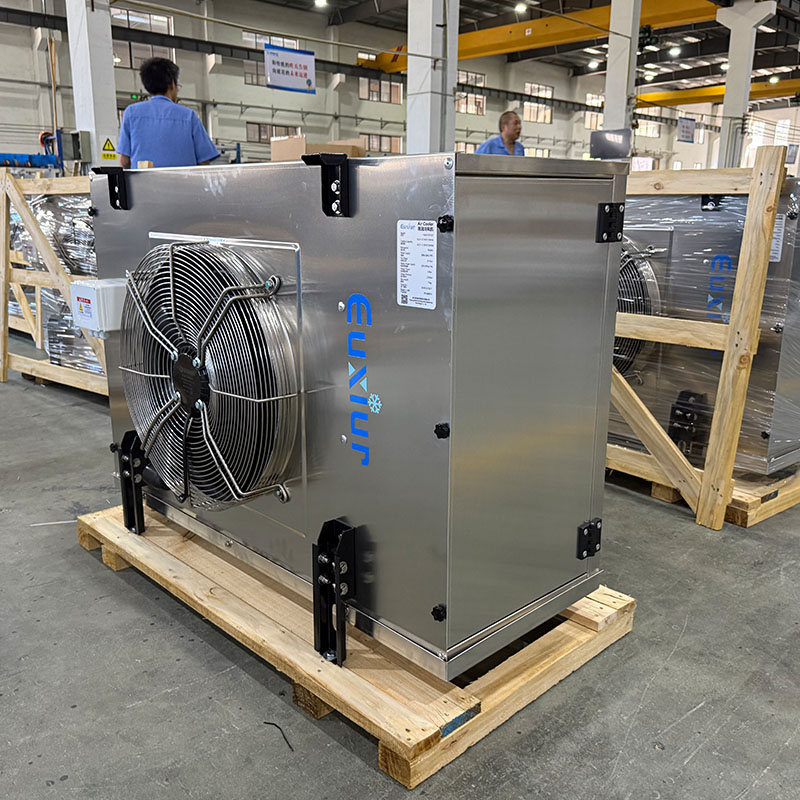
While freezer evaporator coils are generally reliable, several common issues can arise during their operation:
Frost Buildup: Excessive frost can impair efficiency. This may be caused by insufficient airflow, poor insulation, or high humidity levels. Regular maintenance and ensuring proper airflow around the evaporator can mitigate this issue.
Leaking Refrigerant: A refrigerant leak can significantly impact cooling efficiency and lead to operational failures. Regular inspections can help detect leaks early. Ensure that your installation team is trained to identify and address these issues promptly.
Corrosion: Coils made from lower-quality materials may be prone to corrosion, especially in humid environments. Selecting coils with corrosion-resistant coatings can extend their lifespan.
Inadequate Cooling: If the coil is not absorbing heat effectively, it may be undersized for the application or there could be airflow restrictions. Ensure that the selected coil matches your cooling capacity needs and that the installation allows for optimal airflow.
By being aware of these potential problems and implementing preventive measures, you can enhance the longevity and performance of your freezer evaporator coils.
A modern plant of over 4000 square meters is in operation to meet the majority Ice maker for commercial production requirements.
Complete service system, from the creation of plans, Ice maker for commercial production and project landing, to after-sales services, there's special docking.
With a great reputation in the business and over 3,000+ clients that they have served, EMTH EMTH is a trustworthy established supplier that is praised by its clients.
We have more than 20 years of experience and an experienced R&D EMTH.

Welcome to EMTH, a cold storage refrigeration equipment specialist in China! We offer innovative and effective cold storage solutions, including cold storage, evaporator, condensing unit and ice machine.
Room 304-305B, Building 5, BESHINE B.P, No. 559Zhuyuan Road, Minhang District 201112, Shanghai, China
Copyright © Shanghai EMTH Import & Export Co., Ltd. All Rights Reserved. - Privacy Policy
 EN
 AR
 BG
 HR
 CS
 DA
 NL
 FI
 FR
 DE
 EL
 IT
 JA
 KO
 NO
 PL
 PT
 RO
 RU
 ES
 TL
 IW
 ID
 LT
 SR
 VI
 HU
 TH
 MS
 AZ
 JW
 LO
 MN
 SO
 MY
 KK
 TG
 UZ
 GD
 XH