Choosing the right exterior condenser is crucial for the efficiency and effectiveness of refrigeration systems across various applications. As a pivotal component in cooling systems, exterior condensers are responsible for releasing heat absorbed from the refrigerant, making their selection a key concern for purchasing managers, engineers, and facility managers. This article will explore how to choose the right exterior condenser for your project needs, the key specifications to evaluate, cost factors for bulk orders, installation requirements, and the diverse applications of exterior condensers in different industries.
When selecting an exterior condenser, it is essential to consider the specific requirements of your refrigeration system and the environment in which it will operate. Factors such as the refrigerant type, system capacity, and intended use significantly influence the choice. For instance, if your application involves high ambient temperatures, you may require a YH Type Condenser designed for increased heat transfer efficiency. Additionally, consider compatibility with your existing equipment, as the condenser must integrate seamlessly with your refrigeration system. It’s also advisable to assess the physical space available for installation, ensuring that the dimensions of the exterior condenser align with your setup.
Understanding your project needs also involves acknowledging any specific industry regulations or standards that may apply. Relying on a manufacturer with extensive experience, such as Shanghai EMTH, which specializes in refrigeration equipment, can provide valuable insights into suitable models and configurations for your particular application.
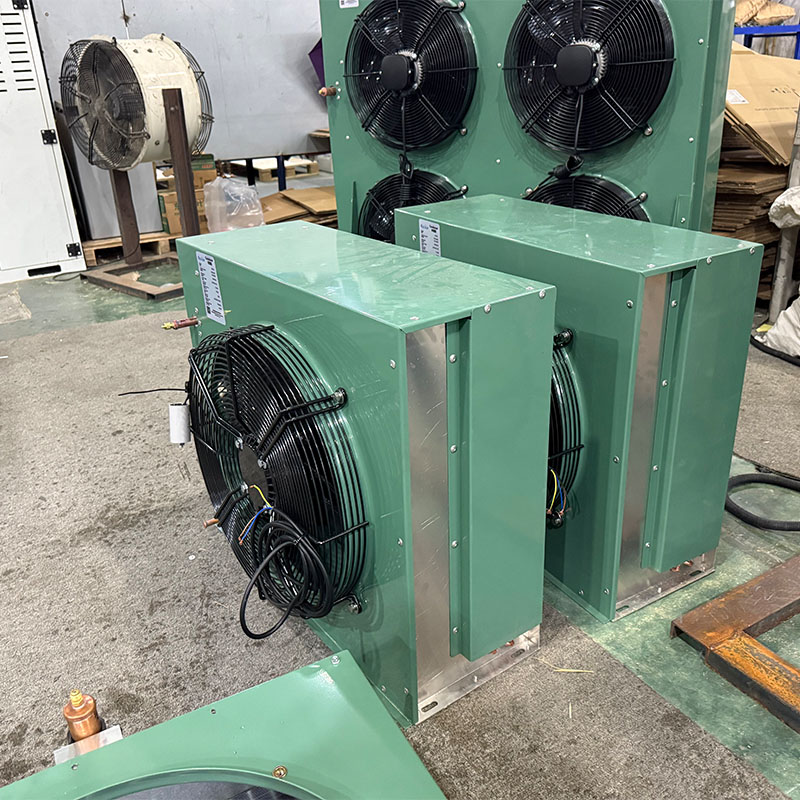
When evaluating exterior condensers, several key specifications are critical to ensure optimal performance:
Cooling Capacity: Measured in BTUs or kilowatts, this indicates how effectively the condenser can dissipate heat. The cooling capacity must match the requirements of your refrigeration system to maintain efficiency.
Material Composition: Most condensers are made from copper or aluminum. Copper offers better thermal conductivity, while aluminum is lightweight and resistant to corrosion. The choice of material can affect the durability and performance of the condenser, particularly in harsh environments.
Size and Dimensions: The physical size and configuration should fit the designated installation area. Compact designs may be necessary for limited spaces, while larger units might be required for high-capacity applications. For example, the Bitzer Condensing Unit is a popular choice for high-capacity needs.
Fan Type and Efficiency: The choice between axial and centrifugal fans impacts airflow and noise levels. Efficient fans can significantly improve the overall performance of the condenser while reducing energy consumption.
Operating Conditions: Consider the temperature range and environmental factors such as humidity and exposure to corrosive elements. Ensure that the selected condenser can handle the specific conditions of its intended installation site.
Noise Level: For applications in noise-sensitive areas, the sound output of the condenser is a vital consideration. Look for specifications that indicate low operational noise levels.
By carefully evaluating these specifications, you can ensure that the exterior condenser meets both performance expectations and installation requirements.
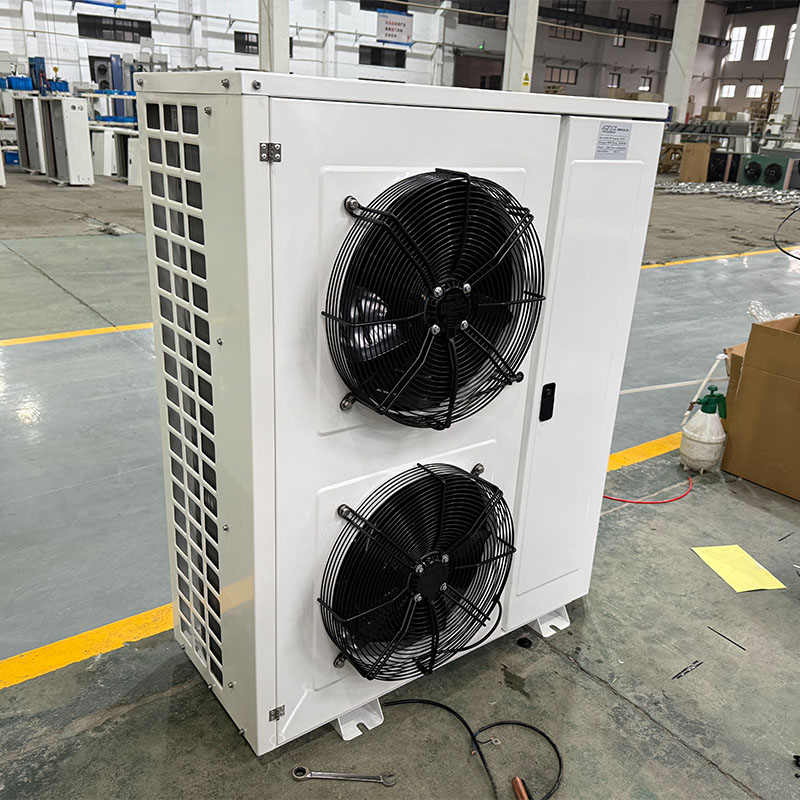
Cost is a significant consideration when purchasing exterior condensers, especially for bulk orders. Several factors come into play:
Material Costs: The choice of materials (copper vs. aluminum) can significantly affect the unit price. Copper condensers generally have a higher upfront cost but may offer better efficiency and longevity.
Manufacturing Processes: The complexity of the manufacturing process and the technology used can influence pricing. Advanced manufacturing techniques may enhance quality and performance, but they can also increase costs.
Volume Discounts: Suppliers often provide discounts for bulk orders. Understanding the manufacturer's minimum order quantities (MOQ) can help you negotiate better pricing.
Shipping and Handling: Consider the logistics of transporting your order. Bulk orders may incur additional shipping costs, especially if they require special handling or large shipping containers.
Warranty and Service Agreements: Look for manufacturers that offer comprehensive warranties or service agreements, as these can add value and peace of mind to your purchase.
By factoring in these cost elements, you can make informed decisions that align with your budget while ensuring quality and performance in your refrigeration systems.
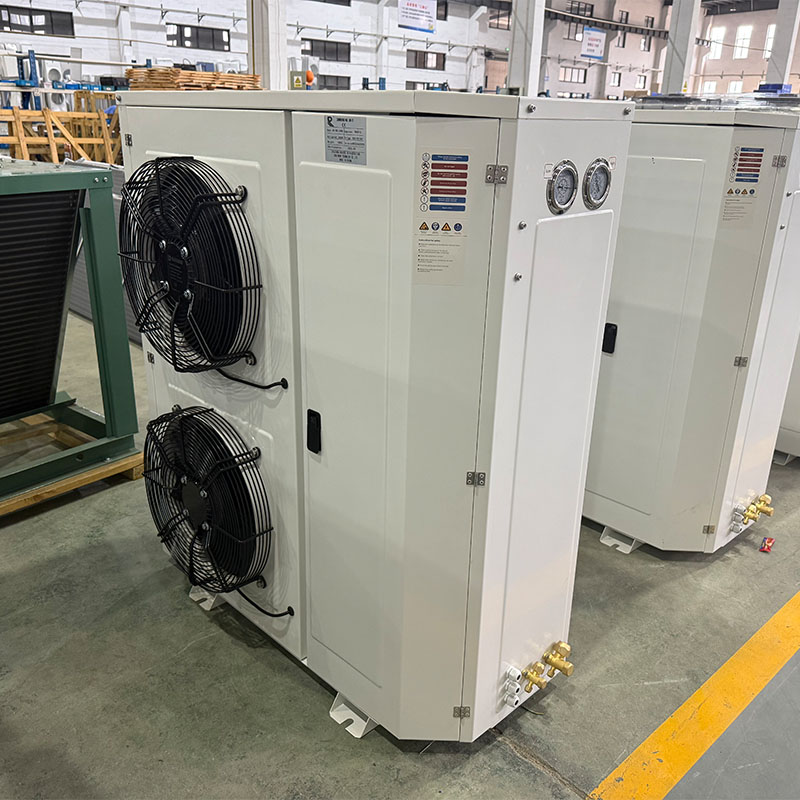
The installation of exterior condensers requires careful planning and execution to ensure optimal performance and longevity. Here are key steps to follow:
Site Preparation: Before installation, ensure that the site is adequately prepared. This includes clearing the area and ensuring proper drainage to prevent water accumulation around the condenser.
Mounting: Proper mounting is crucial. Ensure that the condenser is securely anchored and level to prevent vibration and noise during operation. This may involve using brackets or a concrete pad, depending on the unit's design.
Electrical Connections: All electrical connections must be made according to local codes. It is essential to engage a qualified electrician to ensure safety and compliance.
Refrigerant Lines: Connecting the refrigerant lines should be done carefully to avoid leaks. Rigid and flexible lines should be properly insulated to maintain efficiency.
Testing and Commissioning: After installation, conduct thorough testing to ensure that the system operates correctly. Check for leaks, verify electrical connections, and assess the overall performance of the refrigeration system.
Regular Maintenance: Implementing a routine maintenance schedule will help prolong the life of the exterior condenser and maintain system efficiency. This includes cleaning coils and checking the refrigerant levels.
By adhering to these installation practices, you can maximize the performance and reliability of your exterior condenser.
EMTH EMTH has a track record in the field with over 3,000+ happy customers.
We have more than 20 years of experience and a highly skilled R&D EMTH staff.
Special docking is offered to provide a full range of service. This includes the creation of Cuber ice machine, production installations, landing plans, and after-sales support.
A modern factory of over 40000 square meters is in place to satisfy the majority of Condensing units requirements.

Welcome to EMTH, a cold storage refrigeration equipment specialist in China! We offer innovative and effective cold storage solutions, including cold storage, evaporator, condensing unit and ice machine.
Room 304-305B, Building 5, BESHINE B.P, No. 559Zhuyuan Road, Minhang District 201112, Shanghai, China
Copyright © Shanghai EMTH Import & Export Co., Ltd. All Rights Reserved. - Privacy Policy
 EN
 AR
 BG
 HR
 CS
 DA
 NL
 FI
 FR
 DE
 EL
 IT
 JA
 KO
 NO
 PL
 PT
 RO
 RU
 ES
 TL
 IW
 ID
 LT
 SR
 VI
 HU
 TH
 MS
 AZ
 JW
 LO
 MN
 SO
 MY
 KK
 TG
 UZ
 GD
 XH