When considering industrial refrigeration solutions, understanding the role of an evaporator is crucial. As a key component in the refrigeration cycle, evaporators convert liquid refrigerant into vapor, facilitating heat exchange that cools the surrounding environment. As an evaporator manufacturer, Shanghai EMTH specializes in producing high-quality evaporators and related refrigeration equipment, with over 20 years of experience in the industry. This article will guide you through the essential factors to consider when selecting evaporators for industrial applications, ensuring you make informed purchasing decisions.
Choosing the right evaporator involves assessing multiple factors, including application requirements, refrigerant types, and operational conditions. Start by identifying the cooling load your system must handle. This will determine the evaporator's size and capacity. Additionally, consider the type of refrigerant used in your system, as different refrigerants will impact the evaporator's design and efficiency. H Type Condensing Units can be an excellent choice depending on your refrigerant type.
You should also evaluate the installation environment, including temperature and humidity levels, as these can influence evaporator performance. For instance, air-cooled evaporators may be suitable for specific applications, while water-cooled options might be preferred in environments with limited airflow. Finally, think about maintenance aspects; some evaporators may require more frequent servicing than others, depending on their design and materials.
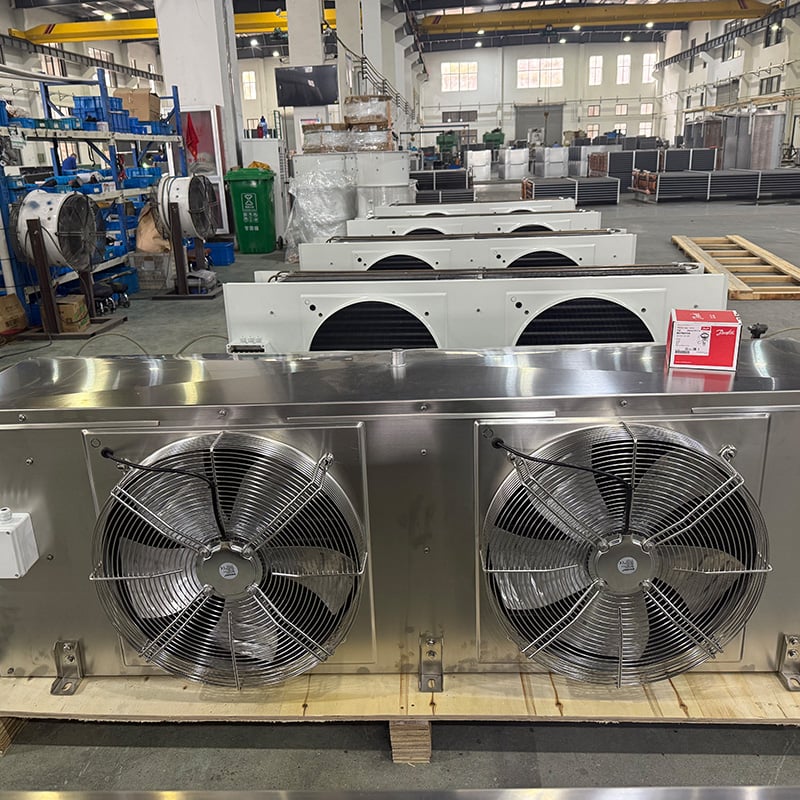
When sourcing evaporators, key specifications to evaluate include:
Material Construction: The choice of materials affects durability and efficiency. Common materials include copper, aluminum, and stainless steel, each offering different benefits such as corrosion resistance or thermal conductivity.
Design Configuration: Evaporators come in various configurations, such as direct expansion and flooded systems. Each type has unique advantages depending on your cooling needs and space constraints.
Performance Ratings: Look for metrics such as the evaporator's efficiency ratio (EER) and capacity ratings. These figures help in assessing the unit's performance under various operating conditions. Compressor for refrigerators medium temperature can also play a vital role in optimizing performance.
Customization Options: Depending on your application, you may need a customized evaporator. Ensure the manufacturer can accommodate specific dimensions or configurations to meet your requirements.
Certifications and Compliance: Verify that the evaporator meets industry standards and codes, ensuring safety and reliability in operation.
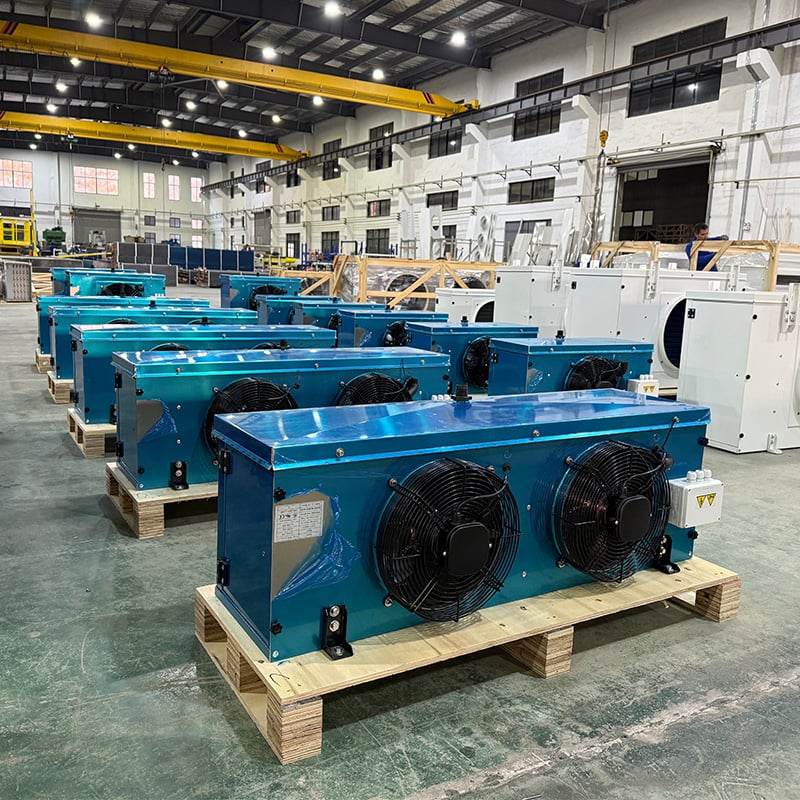
The cost of evaporators can vary significantly based on several factors. Key considerations include:
Manufacturing Complexity: More intricate designs or customizations typically incur higher costs due to additional labor and material requirements.
Material Choices: Higher quality or specialized materials can increase the initial purchase price but may lead to lower maintenance and replacement costs in the long run.
Production Volume: Larger orders may benefit from economies of scale, reducing the per-unit cost. Establishing a minimum order quantity (MOQ) with your supplier can also influence pricing.
Technological Features: Advanced features like energy-efficient designs or integrated controls may raise initial costs but can offer savings through reduced energy consumption.
Shipping and Installation: Don’t forget to account for logistics. Shipping costs and installation requirements can add to the overall expense of your evaporator system.
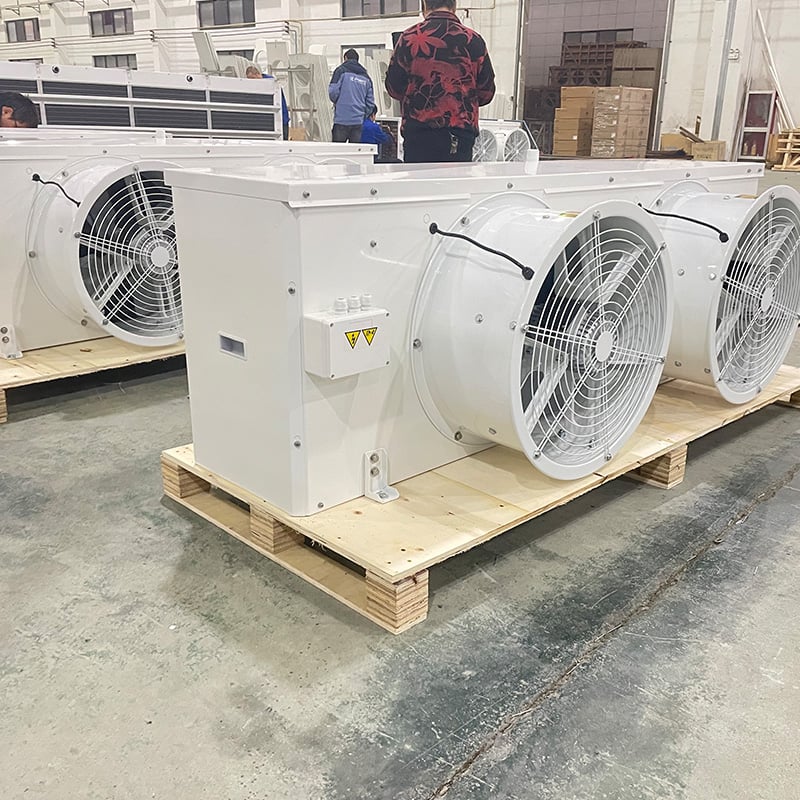
Proper installation is crucial for maximizing the efficiency and lifespan of your evaporator. Here are some key guidelines:
Site Preparation: Ensure the installation site is clean, level, and free from obstructions. Adequate space for airflow and maintenance access is essential.
Manufacturer Instructions: Always follow the manufacturer’s installation guidelines to avoid operational issues. This includes correct alignment, securing connections, and ensuring adequate refrigerant levels.
Testing and Commissioning: After installation, conduct thorough testing to confirm the system operates within specified parameters. Look for signs of leaks or inefficiencies, which can indicate installation issues.
Regular Maintenance: Develop a routine maintenance schedule to inspect and clean the evaporator regularly. This helps prevent performance degradation over time.
With a full service system, from the formulation of plans, production of Condensing units as well as project landing until after-sales assistance, there's special docking.
With more than 20 years of knowledge, we've developed a a complete production and sales and after-sales system with more than 20 patent certificates and a highly skilled R&D EMTH team.
A modern factory of over 40000 square meters is in place to meet the majority of the EMTH production needs.
With a great reputation in the industry with over 3,000+ clients served, EMTH EMTH is a trustworthy known and dependable supplier that has been recognized by other clients.

Welcome to EMTH, a cold storage refrigeration equipment specialist in China! We offer innovative and effective cold storage solutions, including cold storage, evaporator, condensing unit and ice machine.
Room 304-305B, Building 5, BESHINE B.P, No. 559Zhuyuan Road, Minhang District 201112, Shanghai, China
Copyright © Shanghai EMTH Import & Export Co., Ltd. All Rights Reserved. - Privacy Policy
 EN
 AR
 BG
 HR
 CS
 DA
 NL
 FI
 FR
 DE
 EL
 IT
 JA
 KO
 NO
 PL
 PT
 RO
 RU
 ES
 TL
 IW
 ID
 LT
 SR
 VI
 HU
 TH
 MS
 AZ
 JW
 LO
 MN
 SO
 MY
 KK
 TG
 UZ
 GD
 XH